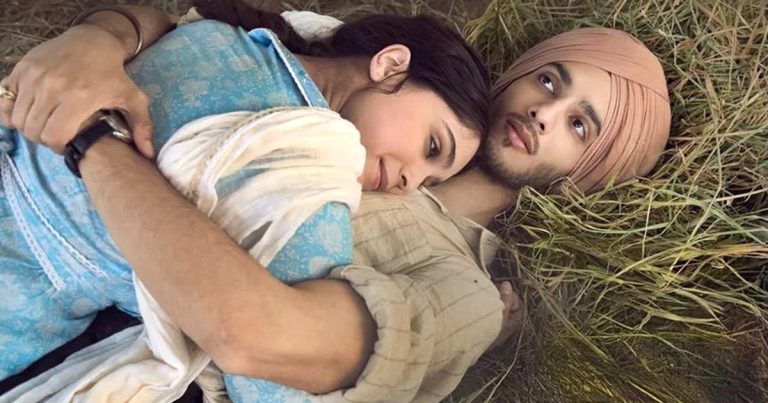
Director Imtiaz Ali returns with Main Vaapas Aaunga, a deeply emotional romantic drama that explores love, memory, family history and the lasting impact of Partition. The film reunites Ali with actor Diljit Dosanjh, music composer A. R. Rahman and lyricist Irshad Kamil after their successful collaboration on Amar Singh Chamkila.
At its core, the film suggests that love survives through memory. Likewise, remembering the past becomes an act of love itself.
A Story That Travels Between Present-Day Britain and Pre-Partition Punjab
The film follows Nirvair, played by Diljit Dosanjh, a man living in Bradford who feels disconnected from his life. He works a job he does not enjoy, struggles as a stand-up comedian, and remains uncertain about his relationship with his girlfriend, portrayed by Banita Sandhu.
Meanwhile, back in India, Nirvair’s grandfather Isher, played by Naseeruddin Shah, is battling dementia. His fragmented memories and confusing conversations leave his family searching for answers.
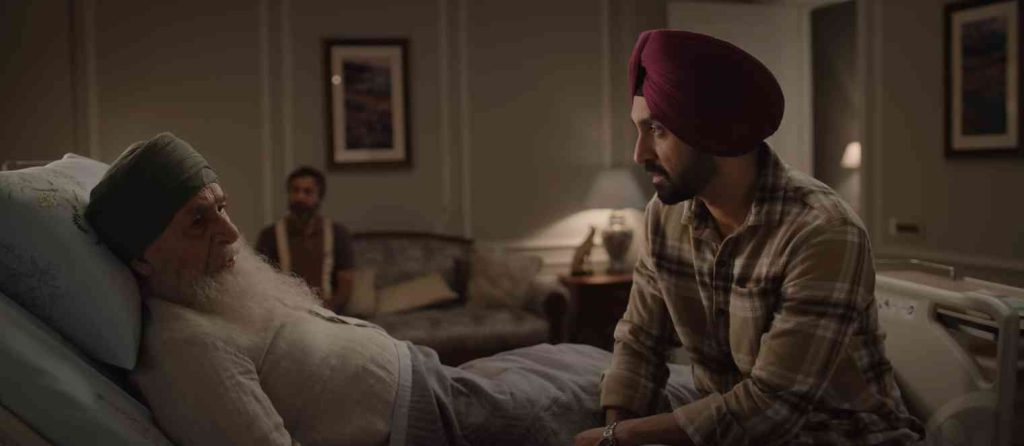
As Nirvair spends time with his grandfather, he begins uncovering a forgotten chapter of family history that leads him to pre-Partition Punjab.
A Love Story Set Against the Backdrop of Partition
The narrative then shifts to younger versions of the characters. Young Isher, played by Vedang Raina, falls deeply in love with Afsana, portrayed by Sharvari.
However, their romance unfolds during the turbulent days leading up to the Partition of India. Tensions are rising, communities are becoming divided and uncertainty hangs over Punjab.
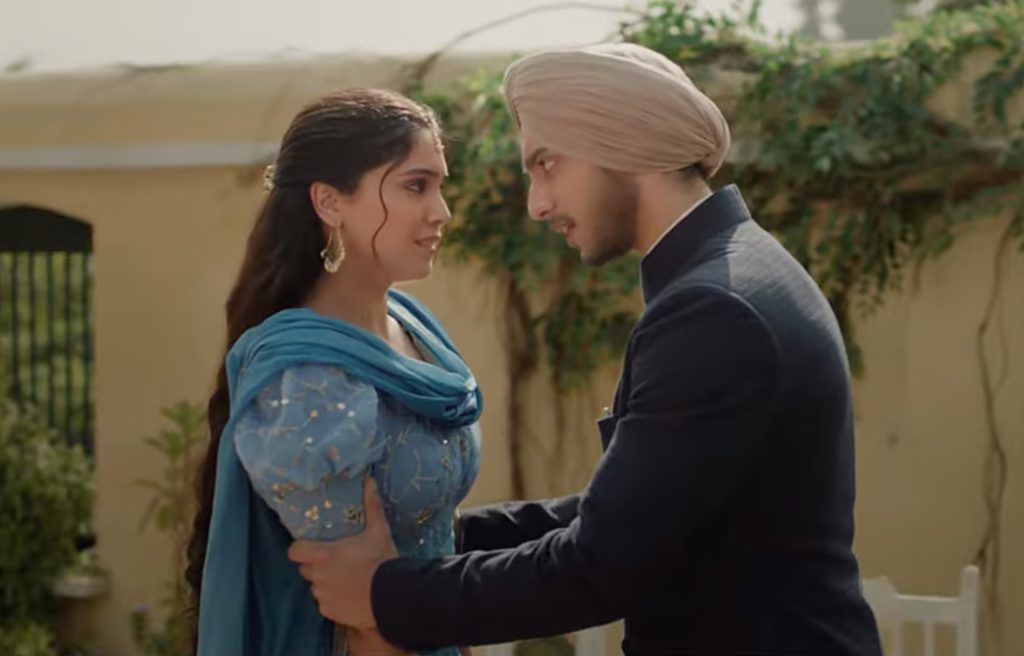
Despite warnings from those around him, Isher refuses to believe that the land he loves will be torn apart. His relationship with Afsana becomes a symbol of hope in a time marked by fear and division.
As the story progresses, the emotional weight of those memories continues to shape Isher’s present life.
A Film That Takes Time to Find Its Rhythm
For much of its lengthy 166-minute runtime, Main Vaapas Aaunga moves between multiple timelines and themes.
The screenplay, written by Imtiaz Ali and Nayanika Mahtani, combines romance, family drama, historical reflection and personal discovery. However, the storytelling occasionally feels uneven.
Several subplots appear underdeveloped, including Nirvair’s relationship struggles and his attempts to work on an invention. Additionally, the frequent shifts between timelines may feel overwhelming for some viewers.
Nevertheless, the film gradually builds toward an emotionally rewarding conclusion.
Strong Performances Elevate the Narrative
One of the film’s biggest strengths is its cast.
Diljit Dosanjh delivers another sincere performance, bringing warmth and emotional depth to Nirvair. He effectively portrays a man trying to understand both his family’s history and his own identity.
However, the film truly belongs to Naseeruddin Shah.
His portrayal of an elderly man suffering from dementia is both heartbreaking and remarkably authentic. Through subtle expressions, trembling movements, and fragmented speech, Shah captures the emotional reality of memory loss with extraordinary precision.
Even while confined to a bed for much of the film, he remains its most powerful presence.
Vedang Raina also impresses as the younger Isher. His performance captures the innocence and optimism of a young man in love during uncertain times.
Meanwhile, Sharvari delivers what many may consider the strongest performance of her career. She brings grace, intelligence, and emotional maturity to the role of Afsana.
Music Becomes the Film’s Emotional Voice
As expected from an Imtiaz Ali project, music plays a crucial role in storytelling.
A.R. Rahman’s compositions add emotional depth to the narrative, while Irshad Kamil’s lyrics enhance themes that often remain unspoken in dialogue.
The standout track is Kya Kamaal Hai, which appears during the end credits.
The song expands the film’s message beyond Partition and reflects on conflict, memory, and society’s tendency to ignore difficult truths. As a result, it becomes one of the most impactful moments in the entire film.
A Thought-Provoking Look at Memory and Identity
Beyond its romance, Main Vaapas Aaunga examines how historical trauma continues to affect generations long after events have passed.
The film highlights the emotional scars left by Partition and explores how forgotten stories can shape personal identities. Furthermore, it argues that healing often begins with understanding the past rather than avoiding it.
Although the screenplay occasionally loses focus, its central message remains powerful.
Final Verdict
Main Vaapas Aaunga is not a perfect film. Its long runtime and uneven pacing may test viewers’ patience at times.
However, its emotional sincerity, memorable performances, and thought-provoking themes make it a rewarding watch. The film ultimately succeeds because it treats love, memory and history with genuine compassion.
Naseeruddin Shah delivers one of the finest performances of his career, while Diljit Dosanjh, Vedang Raina and Sharvari provide strong support throughout.
By the time the film reaches its moving conclusion, Imtiaz Ali reminds audiences that some memories never fade, and some loves never truly leave.