
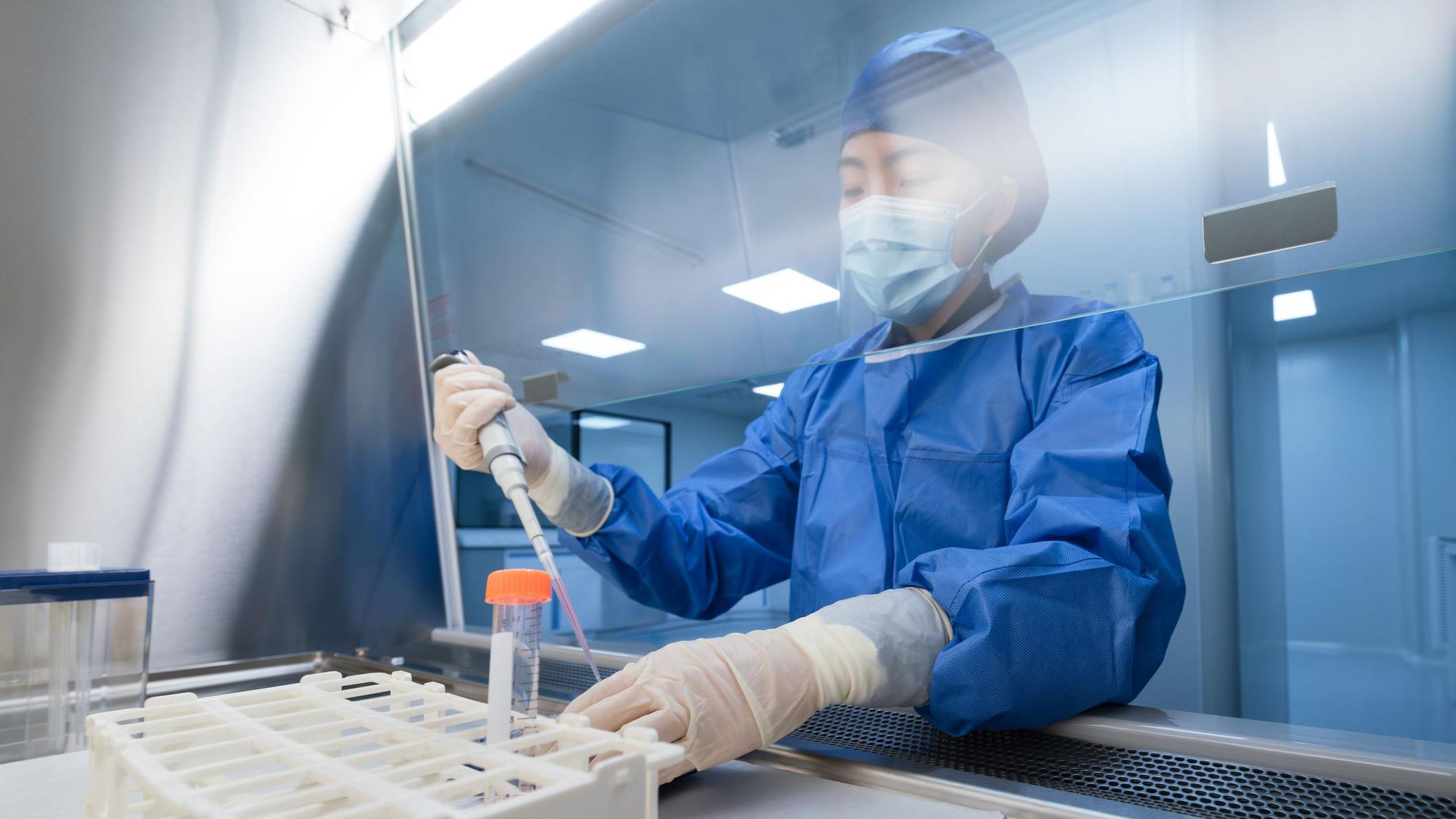

, the world's largest vaccine manufacturer, has joined hands with the University of Oxford)
The Serum Institute of India (SII), the world’s largest vaccine manufacturer, has joined hands with the University of Oxford to manufacture clinical trial doses of an experimental vaccine designed to combat the Bundibugyo strain of the Ebola virus.
The project has received initial funding of up to Rs 81.51 crore (approximately US$8.6 million) from the Coalition for Epidemic Preparedness Innovations (CEPI). The funding is intended to speed up vaccine development as health authorities respond to a rapidly spreading outbreak in the Democratic Republic of the Congo and neighboring Uganda.
Experimental Vaccine Based on Proven Technology
The vaccine candidate, known as ChAdOx1 BDBV, uses the same ChAdOx1 platform that was previously employed in the development of the widely used Oxford-AstraZeneca COVID-19 vaccine.
Researchers believe this proven platform could help speed up development and testing. CEPI’s financial support will fund preclinical studies and other important activities needed before the vaccine can move into Phase 1 human clinical trials.
At present, there is no approved vaccine specifically targeting the Bundibugyo strain of Ebola. Therefore, global health organizations are prioritizing the development of promising candidates that could help control future outbreaks.
Global Partnership to Strengthen Outbreak Response
The collaboration combines Oxford University’s vaccine research expertise, CEPI’s epidemic preparedness experience, and Serum Institute’s large-scale manufacturing capabilities.
According to CEPI, the Oxford-SII vaccine candidate is one of three investigational vaccines currently being accelerated in response to the ongoing outbreak.
This partnership is expected to improve readiness for future public health emergencies while helping researchers move more quickly through the vaccine development process.
Rising Concerns Over the Bundibugyo Ebola Outbreak
The current Bundibugyo Ebola outbreak has raised concerns among international health agencies.
Reports indicate that the outbreak has resulted in hundreds of suspected infections and multiple fatalities. As a result, governments and health organizations are working to strengthen surveillance, containment measures, and vaccine development efforts.
The lack of a licensed vaccine for this particular strain has increased the urgency surrounding ongoing research projects.
Serum Institute’s Manufacturing Expertise Could Speed Up Production
Serum Institute’s involvement is considered a major advantage because of its extensive vaccine manufacturing experience.
The company previously worked with Oxford University during the COVID-19 pandemic to produce the Oxford-AstraZeneca vaccine on a large scale. That experience demonstrated its ability to rapidly manufacture and distribute vaccines during global health emergencies.
If the ChAdOx1 BDBV vaccine proves safe and effective in clinical trials, Serum Institute could play a key role in producing large quantities of affordable doses for affected countries.
India’s Expanding Role in Global Health
The latest partnership also highlights India’s growing importance in global vaccine manufacturing and epidemic preparedness.
Over the past decade, Indian pharmaceutical and vaccine companies have become essential partners in supplying vaccines to countries around the world. Initiatives such as this further strengthen India’s position as a major contributor to international public health efforts.
Moreover, successful development of the Bundibugyo Ebola vaccine could improve global readiness against future outbreaks and emerging infectious diseases.
Looking Ahead
While the vaccine is still in the early stages of development, the collaboration between Serum Institute, Oxford University, and CEPI represents an important step toward addressing a significant global health challenge.
If clinical trials are successful, the project could help provide timely access to vaccines in regions at risk while strengthening international efforts to combat Ebola and other emerging diseases.