
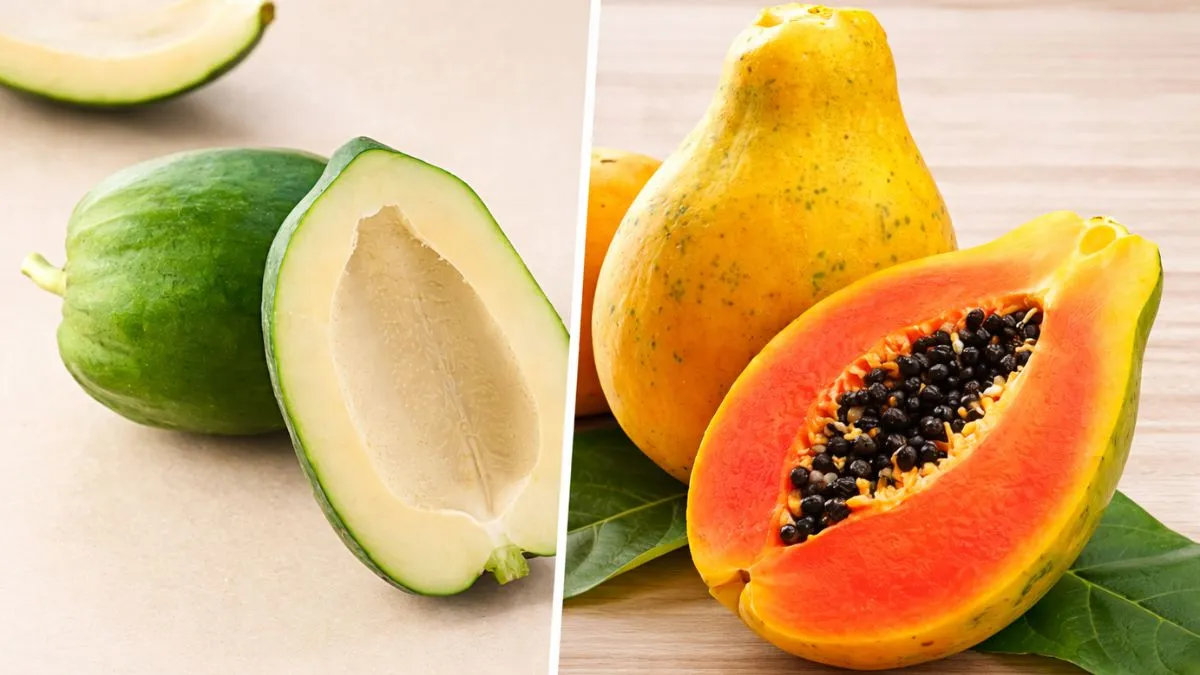


Managing blood sugar levels is crucial, especially for individuals dealing with Type 2 Diabetes. When it comes to Papaya, both raw and ripe forms offer health benefits—but their impact on blood sugar differs significantly.
Raw Papaya: Better For Stable Blood Sugar
Raw papaya is considered more beneficial for blood sugar control due to its lower glycemic impact. It contains complex carbohydrates that release glucose slowly into the bloodstream, helping prevent sudden spikes.
It is also low in natural sugars, making it safer for frequent consumption. Rich in resistant starch, raw papaya behaves more like fiber, slowing digestion and improving insulin sensitivity.
Additionally, it contains higher levels of papain—an enzyme known to reduce inflammation, which is often linked to insulin resistance.
Ripe Papaya: Healthy But Needs Moderation
Ripe papaya, while nutritious, has a moderate glycemic index (around 55–60), meaning it can raise blood sugar levels more quickly than its raw counterpart.
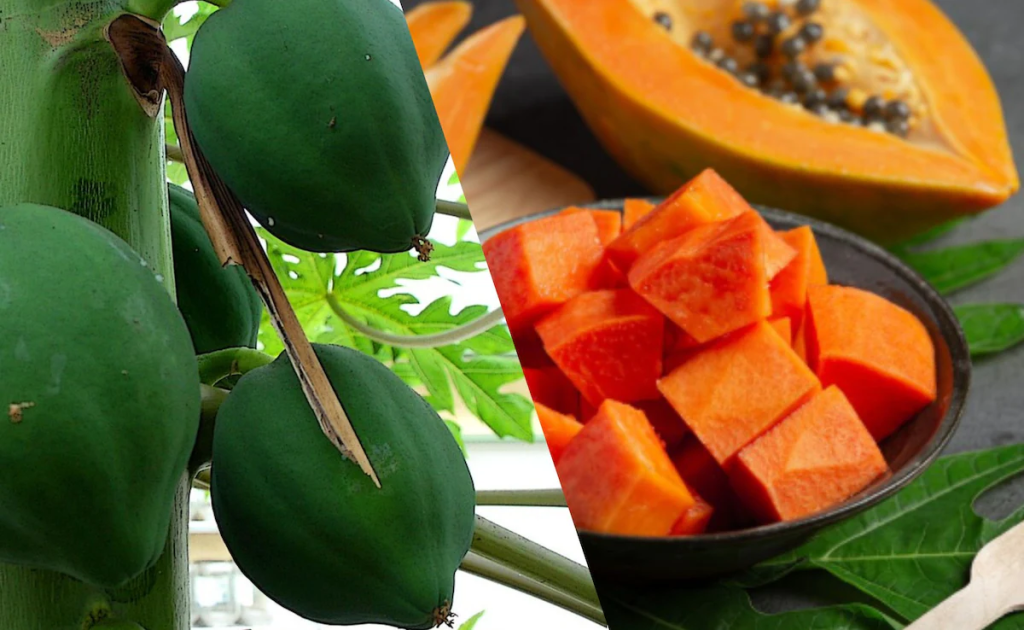
As the fruit ripens, its starch converts into natural sugars, increasing overall sugar content. While these sugars are natural, excessive intake can contribute to higher glucose levels.
However, ripe papaya is easier to digest and still provides essential vitamins, making it a healthy option when consumed in controlled portions.
Key Nutritional Differences
- Glycemic Index: Raw papaya has a lower GI, while ripe papaya falls in the moderate range
- Sugar Content: Raw papaya contains minimal sugar; ripe papaya has higher natural sugars
- Resistant Starch: Present in raw papaya, aiding slow glucose release; reduced in ripe papaya
- Enzyme Levels: Raw papaya is richer in papain, supporting metabolism
- Fiber & Pectin: Higher in raw papaya, helping delay sugar absorption
Weight Management Advantage
Raw papaya is lower in calories and more filling due to its fiber content, making it ideal for weight management—an important factor in controlling diabetes.
Ripe papaya, being sweeter and softer, can be easier to overconsume, potentially increasing calorie intake.
Conclusion
Both raw and ripe papaya have their place in a balanced diet. However, for better blood sugar control, raw papaya emerges as the superior choice due to its lower sugar content, higher fiber, and slow-release carbohydrates.
Ripe papaya can still be enjoyed in moderation, especially for its taste and digestive benefits.