
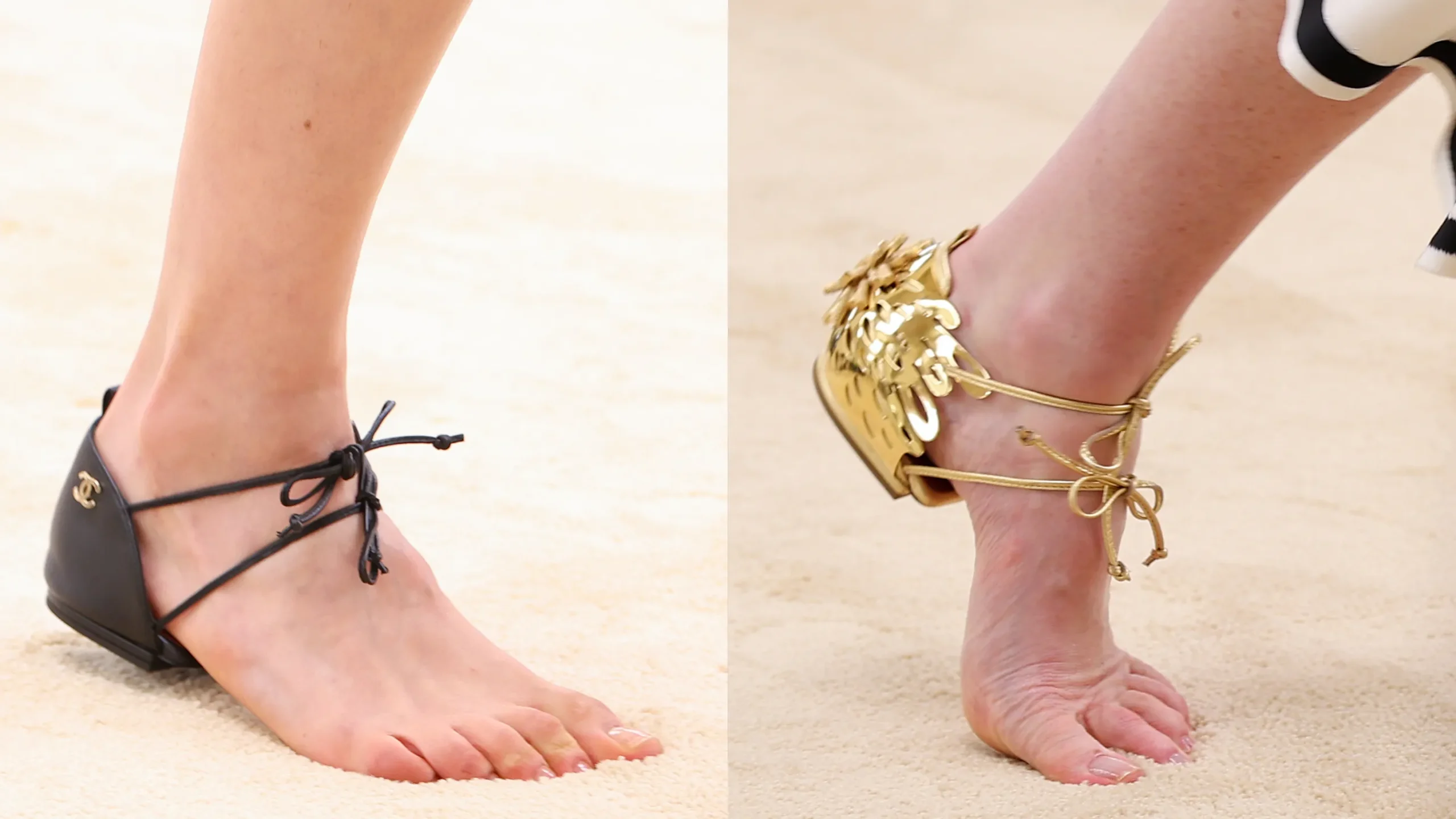


The global fashion fraternity was thrown into a state of absolute bewilderment this weekend following Chanel’s Cruise 2027 runway show in the picturesque coastal town of Biarritz, France.
Models strutted down the runway in exceptionally chic resortwear, but it was their feet that stole the entire narrative. The historic French luxury house debuted an astonishingly slim, trimmed-down sandal that completely discards the traditional sole, prompting immediate online outrage, praise, and widespread confusion over whether high fashion has officially lost its footing.
Dubbed “heel caps,” the controversial footwear is the creation of Chanel’s creative director, Matthieu Blazy. The design features a stiff leather cap that cups the back of the heel, held together by scrawny leather straps and spindly silken ribbons tied around the ankles. With the entire arch and the ball of the foot left completely bare to touch the ground directly, critics have labeled them “quarter-soleless shoes,” igniting a fierce debate regarding where artistic expression ends and everyday functionality begins.
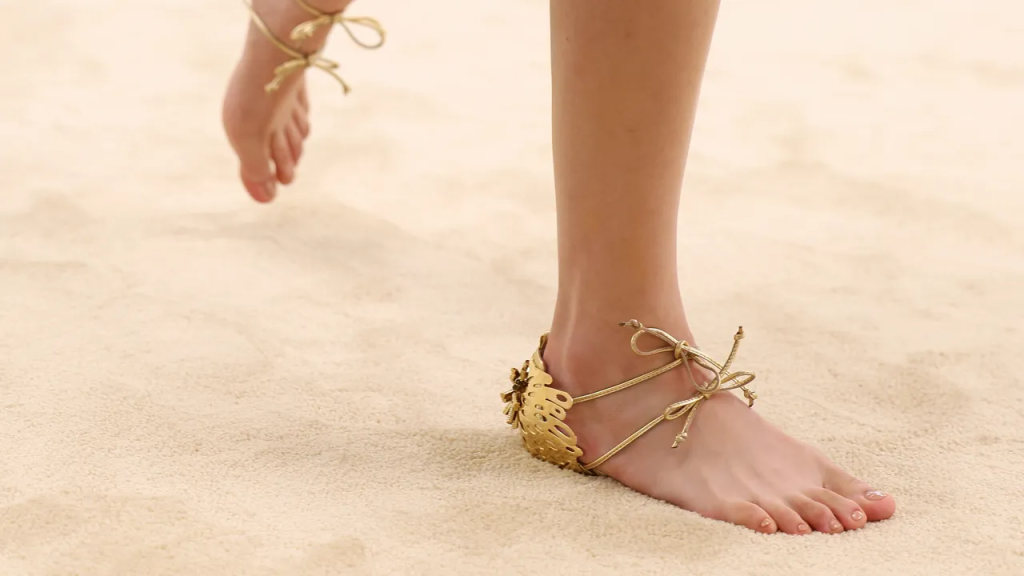
Wearable Art vs. Market Reality
The itsy-bitsy creation has sharply divided fashion insiders. While some praise the futuristic, ultra-minimalist aesthetic as a disruptive reimagining of footwear, mainstream stylists are questioning its lack of utility. Shoe designer Neha Kumthekar, co-founder of the OCEEDEE label, notes that the product deliberately prioritizes ramp storytelling over comfort:
“Blazy has reimagined the talk-of-the-town shoes as a funky adornment rather than a utility sample. It is surely thought-provoking and defies the stereotypical notion of shoes. Of course, it’s concept-driven and almost like a wearable art that is indeed integral to ramp storytelling but a far cry from market reality.”
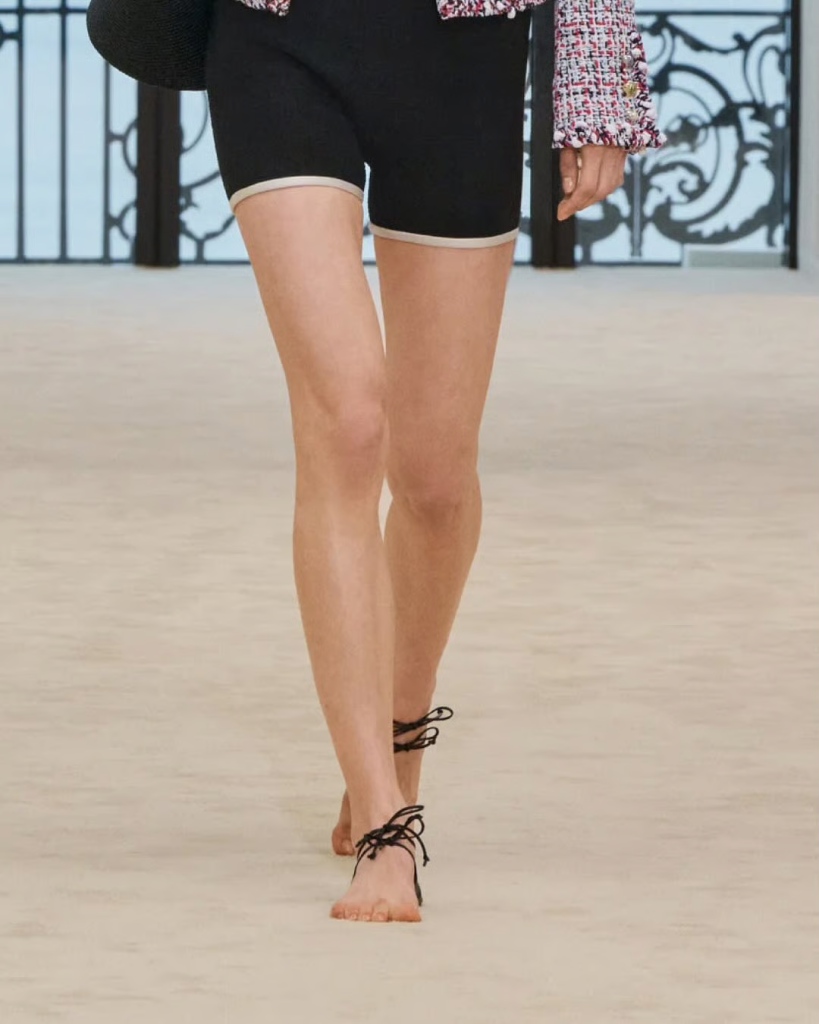
Fashion influencers have echoed this sentiment, arguing that the visual shock factor completely detaches itself from the convenience modern women require. Without a traditional sole, the shoe offers zero shock absorption, forcing the wearer to step precariously on hard surfaces. Style purists point out that the lack of an under-foot cushion places immense, unsafe pressure on the arches and heels, making a persistent poor grip highly likely on any slippery surface.
Controlled Environments: Where Can You Actually Wear Them?
Given the absolute absence of foot support, fashion pundits agree that these sandals are entirely unworkable for standard city streets, where weather, rough pavement, and a fast-paced lifestyle demand strict functionality. Instead, experts suggest the “impossible shoe” will be confined to highly controlled, niche environments:
- High-Fashion Ramps: Editorial campaigns and international fashion weeks.
- Carpeted Luxury Events: Private soirées, indoor ballrooms, and banquet halls.
- Thematic Costumes: Avant-garde experimental fashion parties with specific dress codes.
- Destination Weddings: High-end, indoor bridal accessory changes.
- Sandy Lounges: Casual poolside modeling or private beach resort boardwalks.
The Price of High-End Minimalism
For the average consumer, the trend represents an inaccessible and impractical luxury standard. Retail specialists working at premium outlets note that while avant-garde window displays successfully drive foot traffic into stores, they rarely translate to massive sales spikes due to heavy price tags and extreme maintenance hassles.
However, supporters of the design argue that the extreme lightness gives a liberating sensation of flight, allowing the feet to breathe with total freedom. Whether the minimalist silhouette becomes a lasting movement or remains a brief, freaky fad on the runway, Chanel has successfully proven that a mixed, highly passionate reaction is the ultimate marker of a disruptive fashion statement.