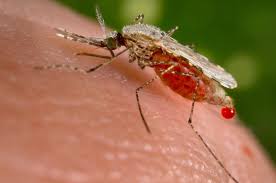
A warm evening, a drink in hand, and suddenly you find yourself swatting mosquitoes more than usual. Is it just coincidence, or could alcohol actually make you more attractive to mosquitoes? Science suggests there may indeed be a connection, although the relationship is not entirely straightforward.
A 2002 study published in the Journal of the American Mosquito Control Association examined 13 participants and found that individuals who drank a single bottle of beer attracted significantly more mosquitoes than those who did not consume alcohol.
Why Mosquitoes Choose Certain People
Research indicates that people who consumed beer were about 1.35 times more attractive to mosquitoes than sober participants. According to findings published in Trends in Parasitology, certain lifestyle behaviours can alter the skin microbiota—the bacteria naturally present on the skin.
Mosquitoes are highly sensitive to volatile organic compounds (VOCs) released when these bacteria break down sweat and metabolic byproducts.
Not everyone gets bitten equally. Mosquitoes rely on several body signals to locate their targets, including:
- Carbon dioxide released through breathing
- Body heat
- Skin odour and sweat
- Certain chemicals naturally produced by the skin
These cues help mosquitoes identify potential hosts, especially in warm outdoor environments.
Does Alcohol Really Increase Mosquito Bites?
Some studies suggest that alcohol consumption may increase the likelihood of mosquito bites. In one widely cited study, participants who drank alcohol—particularly beer—experienced more mosquito landings than when they were sober.
Researchers believe alcohol may alter body chemistry in ways that make a person more noticeable to mosquitoes, though further research is needed to confirm the extent of this effect.
What Changes in Your Body After Drinking Alcohol?
Alcohol triggers several physiological changes that could increase mosquito attraction:
Increased Body Temperature
Alcohol can slightly raise skin temperature, making it easier for mosquitoes to detect body heat.
Changes in Breath Composition
Drinking alcohol may increase or alter carbon dioxide output, one of the strongest signals mosquitoes use to locate hosts.
Increased Sweating
Alcohol can cause mild sweating, releasing substances such as lactic acid that mosquitoes find attractive.
Together, these changes may make individuals stand out more in group settings.
Is This True for Everyone?
Scientific evidence remains limited, and not all studies agree on how significant the effect is. Several other factors influence mosquito attraction, including:
- Genetics
- Blood type
- Skin microbiota
- Local mosquito species
- Environmental conditions
This means alcohol is not the only reason some people get bitten more frequently than others.
Why This Matters Beyond Itching
Mosquito bites are more than just a nuisance. They can transmit serious diseases such as:
- Dengue
- Malaria
- Chikungunya
- Zika virus
This makes prevention especially important in tropical and subtropical regions, where mosquito-borne illnesses are more common.
How to Protect Yourself From Mosquito Bites
Whether or not alcohol is involved, these practical steps can help reduce the risk of mosquito bites:
- Use insect repellent on exposed skin
- Wear light-coloured, full-sleeved clothing
- Avoid areas with standing water where mosquitoes breed
- Use mosquito nets or indoor repellents
- Limit outdoor exposure during peak mosquito activity hours
If you are planning an outdoor gathering, taking preventive measures becomes even more important.
The Bottom Line
Drinking alcohol may slightly increase your attractiveness to mosquitoes by changing body temperature, breathing patterns, and sweat production. However, it is only one of many factors that influence mosquito behaviour.
You do not necessarily need to skip your evening drink, but staying aware of the potential risk and using protective measures can help you avoid becoming an easy target for mosquitoes.
Disclaimer: This content provides general information only and is not a substitute for professional medical advice.