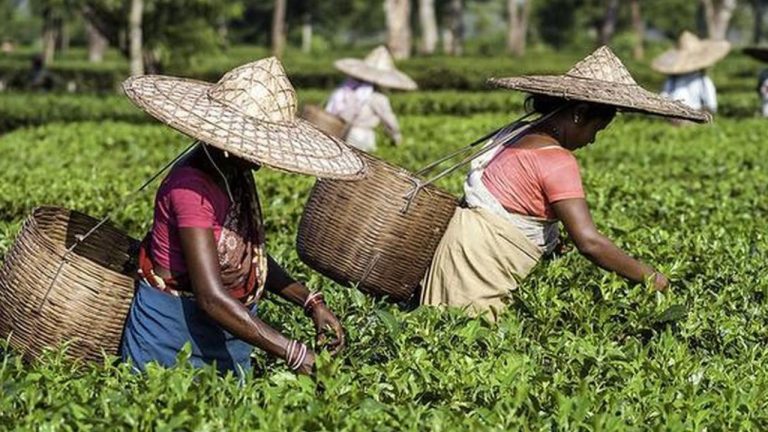
As West Bengal heads to polls, tea plantation workers highlight hardships, broken promises and a desire for new leadership
April 22, 2026: The lush tea gardens of West Bengal may appear serene, but for workers, life remains a daily struggle marked by low wages, rising costs, and poor living conditions. As the state prepares for assembly elections, many workers say political promises have done little to improve their reality. Having witnessed governments led by Communist Party of India (Marxist) and now Trinamool Congress, they remain uncertain about whom to trust as the Bharatiya Janata Party mounts a strong challenge.
In conversations with women tea pluckers in north Bengal, a surprising sentiment emerged — a desire for leadership like Raghav Chadha. Workers said they are drawn to leaders who speak about everyday issues and poverty. However, despite this aspiration, many remain hesitant to openly express political preferences. While there is some anti-incumbency sentiment, Chief Minister Mamata Banerjee, often called “Didi,” still holds greater appeal among women workers than Prime Minister Narendra Modi.
Workers highlighted persistent hardships, including daily wages of around ₹250, temporary employment, lack of proper housing, and difficulty affording essentials. Although the state government has promised wage hikes and better benefits, skepticism remains high. With political stakes rising in north Bengal’s tea belt, the final voting choice of these workers remains unclear, reflecting a mix of hope, frustration, and indecision.