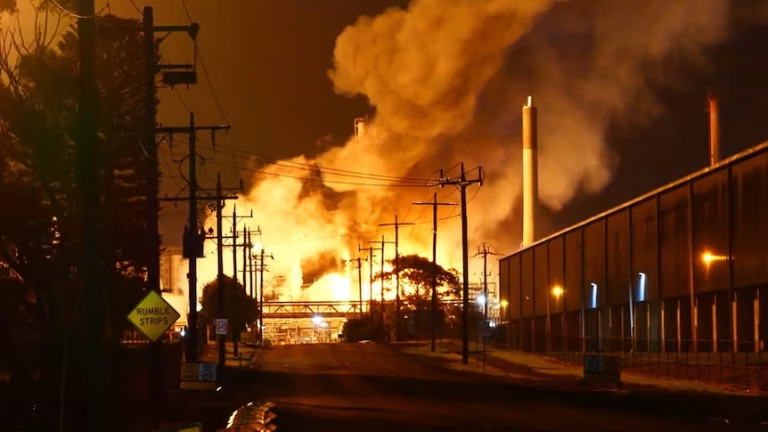
The recent fire at a major oil refinery in Geelong, Victoria, has raised significant concerns regarding air quality and public health. While the blaze has been extinguished, the lingering smoke contains a complex mix of pollutants that can affect the respiratory and cardiovascular systems.
What is in the Smoke?
Smoke from oil refinery fires is particularly hazardous because it contains a variety of toxic substances:
- Fine Particles (PM2.5 and PM10): These are small enough to travel deep into the lungs and enter the bloodstream.
- Toxic Gases: Includes sulfur dioxide, nitrogen oxides, and carbon monoxide.
- Volatile Organic Compounds (VOCs): Hazardous chemicals like benzene are often released during the combustion of petroleum products.
How it Affects Your Heart and Lungs
For most healthy adults, short-term exposure typically results in temporary irritation rather than permanent damage. However, the immediate symptoms can be distressing:
| System | Potential Symptoms |
| Respiratory | Sore throat, coughing, scratchy throat, and chest tightness. |
| Ocular/General | Watery or stinging eyes and headaches. |
| Cardiovascular | Extra strain on the heart, which can trigger chest pain or irregular heartbeats in vulnerable individuals. |
Who is Most Vulnerable?
While the risk of cancer from a single, isolated event is low, certain groups face higher immediate risks:
- People with Existing Conditions: Those with asthma or COPD may experience severe flare-ups.
- Heart Patients: Air pollution can increase the risk of heart failure or arrhythmia.
- Older Adults & Children: Children’s developing lungs are more sensitive, while older adults often have less physiological reserve to handle the strain.
Practical Steps to Stay Safe
If smoke persists in your area, take the following precautions to minimize inhalation:
- Stay Indoors: Keep windows and doors tightly shut.
- Recirculate Air: Set your air conditioning to “recirculate” to prevent pulling in smoky outside air.
- Use Proper Masks: If you must go outside, use a well-fitting P2 or N95 mask. Standard surgical or cloth masks are ineffective against fine smoke particles.
- Manage Medications: Those with respiratory plans should keep relievers handy and follow their medical action plans strictly.
- Monitor Air Quality: Residents should check real-time data from the Victorian Environment Protection Authority (EPA).