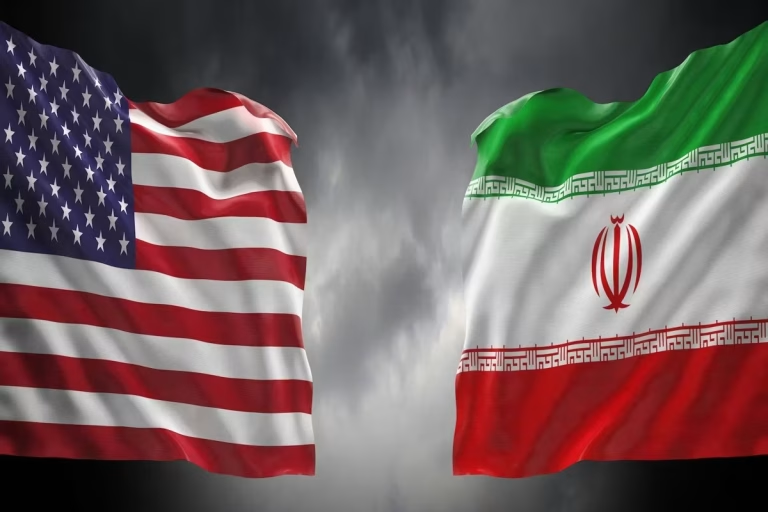
Reports of renewed military planning and large-scale weapons movement have sparked speculation about a possible escalation involving the United States and Iran. According to recent claims, US President Donald Trump was briefed on new strike options as tensions between Washington, Tehran, and regional allies intensify. While no official confirmation of imminent action exists, the developments have raised global concern.
What Triggered the Latest Speculation
The renewed discussion began after reports that US Central Command (CENTCOM) presented updated military planning options. These include potential strike scenarios targeting infrastructure in Iran, alongside broader strategic operations. At the same time, large shipments of military equipment and munitions were reportedly transferred to Israel, further fueling assumptions of possible escalation in the region.
Massive Military Logistics Movement
One of the most striking details in the reports is the large-scale transfer of military supplies to Israel. According to defence sources cited in the report, thousands of tonnes of munitions and equipment were delivered through coordinated sea and air transport operations. These shipments reportedly included tactical vehicles, air munitions, and other military hardware, all moved under structured logistics involving multiple ports and airbases.
Officials in Israel described the ongoing flow of military aid as part of sustained defence preparedness, especially amid rising regional tensions.
Reported US Military Planning Options
The CENTCOM briefing allegedly presented multiple strategic options to the US leadership. These include limited, high-intensity strike plans targeting key infrastructure in Iran, as well as more complex scenarios involving maritime security operations around critical trade routes like the Strait of Hormuz. Another reported option includes special operations aimed at securing sensitive nuclear-related materials.
While these plans have been discussed internally, there is no public confirmation that any decision has been taken to execute them.
Political Messaging and Strategic Pressure
Alongside military discussions, US messaging continues to emphasize economic and strategic pressure over direct conflict. Donald Trump has previously indicated that sanctions and economic restrictions remain central tools in dealing with Tehran, suggesting that diplomacy and pressure tactics are still part of the broader approach.
However, the overlap of military planning and economic pressure has created uncertainty about the long-term direction of US policy toward Iran.
Iran’s Response and Rising Distrust
On the other side, Iranian leadership has expressed deep skepticism about negotiations with Washington. Officials in Iran have warned that past attacks during diplomatic periods have undermined trust and raised fears of renewed conflict even during ongoing talks. This mutual distrust continues to make diplomatic resolution more difficult.
What Happens Next
Despite heightened rhetoric and military preparations, no official announcement confirms an imminent strike. The situation remains fluid, with strategic positioning, deterrence signaling, and diplomatic pressure all unfolding simultaneously. Analysts suggest that much of the current activity reflects escalation management rather than an immediate decision for war.
The latest reports point to rising tension rather than confirmed military action. While planning discussions and weapons transfers have intensified concerns, the situation between the US and Iran remains uncertain and highly sensitive. The coming weeks will likely determine whether diplomacy holds or whether the situation moves closer to open confrontation.