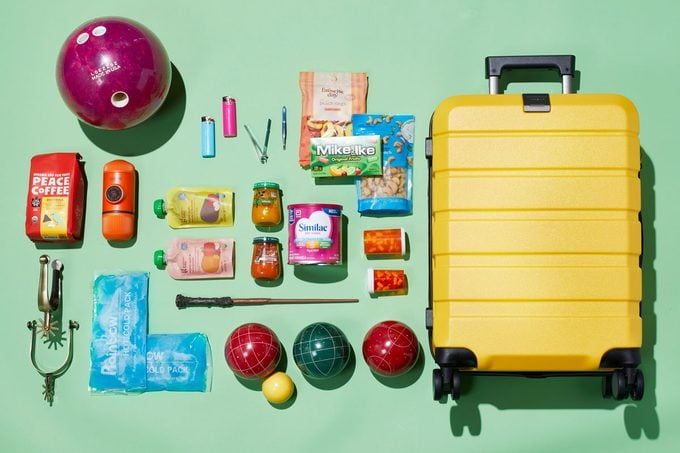
Packing your carry-on luggage often feels more stressful than planning the trip itself. From liquid limits to power bank rules, airline regulations can quickly become confusing for travellers. Knowing what is allowed in cabin baggage before reaching the airport can save time, avoid security delays, and make your travel experience far smoother.
Why Carry-On Rules Matter
Airport security regulations are designed to ensure passenger safety and smooth screening procedures. Many travellers unknowingly pack restricted items, leading to delays, confiscations, or extra baggage charges at the airport.
Understanding basic cabin baggage rules in advance helps travellers move through security checks quickly and stress-free.
Items You Can Carry In Cabin Luggage
Liquids Under 100ml
Passengers can carry liquids, gels, creams, and toiletries in containers of 100ml or smaller. These must fit inside a transparent resealable bag.
Electronics And Gadgets
Laptops, tablets, mobile phones, cameras, and small electronic devices are allowed in carry-on luggage. Power banks are usually permitted only in cabin baggage.
Baby Essentials
Baby food, milk formula, breast milk, and juice are generally allowed in reasonable quantities. Travellers may need to declare them during security checks.
Solid Food Items
Cooked food, sandwiches, fruits, vegetables, baked items, and solid cheese are typically allowed inside cabin bags.
Personal Care Products
Disposable razors, tweezers with blunt edges, safety matches, and certain grooming products can usually be carried onboard.
Duty-Free Purchases
Liquids purchased at airport duty-free shops are allowed if sealed inside security tamper-evident bags.
Items Not Allowed In Carry-On Bags
Liquids Above 100ml
Large water bottles, beverages, sauces, peanut butter, honey, and other liquid-like food items exceeding 100ml are prohibited.
Sharp Objects
Knives, scissors, nail cutters, corkscrews, Swiss army knives, and sharp tools are generally banned from cabin luggage.
Sports Equipment
Baseball bats, hockey sticks, fishing rods, and similar sports items are not permitted onboard.
Oversized Power Banks
High-capacity power banks exceeding airline-approved watt-hour limits are usually restricted.
Restricted Miscellaneous Items
Snow globes, large gel packs, and canned food with excess liquid content may also be stopped during screening.
Where To Pack Restricted Items
Many prohibited cabin items can still be transported safely in checked baggage. Sharp tools, larger liquid containers, and sports equipment should ideally be packed in check-in luggage.
Important Travel Tips Before Flying
Check Airline Rules
Different airlines and countries may follow slightly different baggage policies. Always verify regulations on the airline’s official website before departure.
Organise Liquids Separately
Keep all liquid items together in a transparent pouch to speed up security checks.
Charge Electronics In Advance
Airport security may ask passengers to switch on electronic devices during screening.
Avoid Last-Minute Repacking
Packing correctly at home prevents unnecessary stress and delays at the airport.
Final Takeaway
Carry-on luggage rules may seem complicated, but understanding the basics can make travelling far easier. Packing smartly, following liquid restrictions, and keeping restricted items out of cabin baggage can help travellers avoid unnecessary airport hassles and enjoy a smoother journey.