
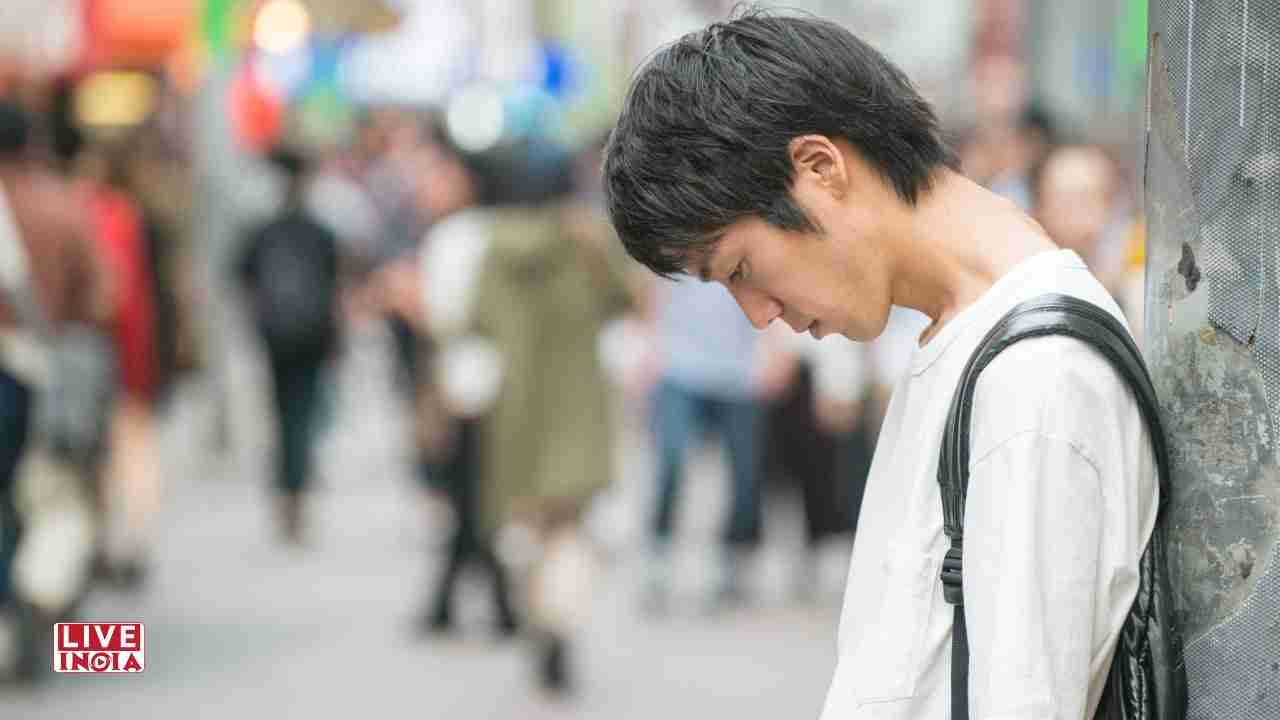


Government survey reveals no improvement in loneliness rates post-legislation; excessive smartphone use linked to deeper feelings of isolation.
Tokyo [Japan], May 12, 2025 – A recent government survey has revealed that 39.3 percent of people in Japan continue to experience feelings of loneliness—a statistic that remains unchanged from last year, raising concerns about the effectiveness of recent legislation aimed at combating social isolation.
The figure reflects the combined proportion of individuals who reported feeling lonely either “often or always,” “sometimes,” or “once in a while.” The unchanged numbers from 2023, and the consistency since the inception of the study in 2021, suggest that the societal problem of loneliness in Japan remains stubbornly persistent.
The survey, conducted by the Japanese Cabinet Office, comes a year after the implementation of a national policy framework designed to address loneliness and social isolation, introduced in April 2023. Despite the government’s attempts to address the issue through public awareness campaigns and enhanced community support mechanisms, the impact appears to be limited so far.
Smartphone Use and Loneliness: A Growing Link
For the first time since the survey began, the government examined the correlation between smartphone usage and feelings of loneliness. The findings revealed a striking trend: individuals who used smartphones for longer periods were more likely to report persistent loneliness.
- 13.3% of individuals who used their smartphones for more than eight hours a day reported feeling lonely “often or always.”
- The rate was 9.5% among users with seven to eight hours of daily screen time.
- In comparison, those who used their devices less frequently reported significantly lower levels of persistent loneliness.
These results point toward the paradox of digital connectivity—a phenomenon where prolonged engagement with technology and social media platforms, intended to connect people, may in fact be exacerbating feelings of isolation.
Experts in digital wellness and mental health have increasingly warned of the psychological toll of excessive screen time, particularly among young adults and remote workers who rely on smartphones for both work and social interaction.
Cultural and Demographic Challenges
Loneliness in Japan has become a significant public concern in recent years, especially in the wake of the COVID-19 pandemic, which led to prolonged periods of social distancing, remote work, and a decline in face-to-face interactions.
The problem is particularly acute among the elderly and young adults. For seniors, the issue is compounded by an aging population, declining birthrates, and increasing numbers of individuals living alone. For younger individuals, the stresses of urban life, career pressures, and reliance on digital communication have made building real-world connections more difficult.
Government Response and the Road Ahead
The Japanese government’s legislation to address loneliness and social isolation was inspired by similar moves in other countries, such as the UK’s appointment of a “Minister for Loneliness.” Japan followed suit by establishing a dedicated team within the Cabinet Office to coordinate policies addressing social disconnection.
Initiatives have included support for community centers, hotlines, outreach to vulnerable populations, and data-gathering on loneliness trends. However, experts say more targeted interventions and broader cultural shifts are needed to make a meaningful difference.
“Loneliness is not just about being alone—it’s about a lack of meaningful social connection,” said Dr. Kenji Tada, a Tokyo-based psychologist. “While technology offers convenience, it cannot replace the human warmth of physical presence, shared experiences, and real emotional engagement.”
Conclusion
The unchanged statistics in the latest survey underscore a deeper challenge for Japanese society: while awareness of loneliness as a national issue is growing, the path toward tangible change remains complex. As smartphone dependency rises and traditional community structures evolve, finding new ways to foster genuine human connection will be critical to reversing the tide of loneliness in modern Japan.
The government is expected to release further guidelines this summer aimed at integrating loneliness-reduction strategies into public health policy, education, and workplace wellness programs.
As Japan continues its fight against invisible afflictions like loneliness, the question remains: can a hyper-connected society rediscover the simple power of human connection?