
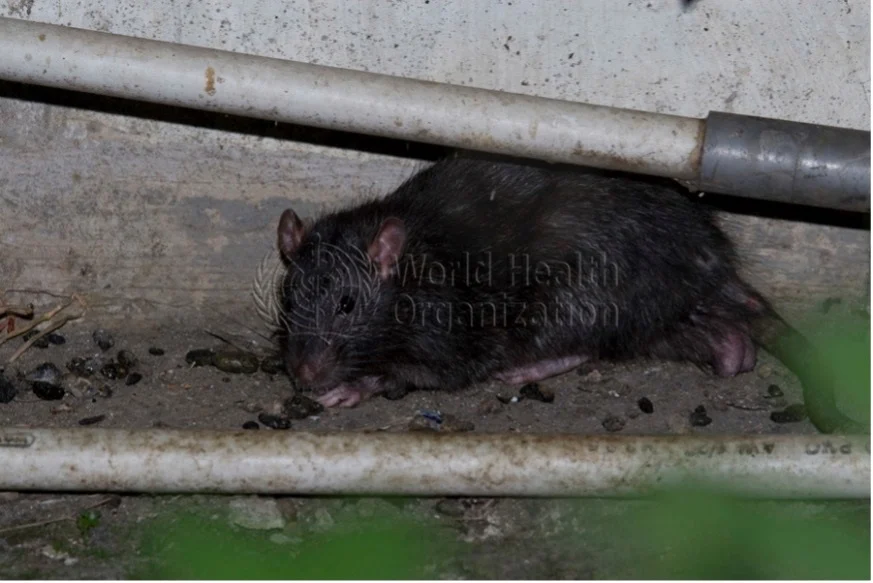

 has issued an advisory following a potential outbreak of Hantavirus on the cruise ship MV Hondius in the Atlantic Ocean.)
The World Health Organization (WHO) has issued an advisory following a potential outbreak of Hantavirus on the cruise ship MV Hondius in the Atlantic Ocean.
The incident has reportedly led to at least three deaths and multiple illnesses among passengers and crew, prompting global health authorities to step up monitoring and awareness.
What Is Hantavirus?
Hantaviruses are a group of rodent-borne viruses that can cause severe and sometimes fatal diseases in humans. These viruses are classified as zoonotic, meaning they spread from animals to humans—primarily through wild rodents such as rats and mice.
People usually get infected by:
- Contact with rodent urine, droppings, or saliva
- Breathing in contaminated air particles
- Touching contaminated surfaces and then the face
Serious Illnesses Linked to Hantavirus
Hantavirus infections can lead to two major diseases:
1. Hantavirus Pulmonary Syndrome (HPS)
Also known as Hantavirus Pulmonary Syndrome, this condition affects the lungs and can be life-threatening.
- Found mainly in the Americas
- Fatality rate can be as high as 50%
2. Hemorrhagic Fever with Renal Syndrome (HFRS)
Known as Hemorrhagic Fever with Renal Syndrome, this form impacts the kidneys.
- Common in Europe and Asia
- Can cause internal bleeding and kidney failure
Can It Spread Between Humans?
Human-to-human transmission is extremely rare. The WHO notes that only limited cases involving the Andes virus in South America have shown such transmission.
For most hantavirus strains, infection occurs only through contact with infected rodents or contaminated environments.
WHO Advisory: Risk Low, Vigilance Needed
Despite the outbreak on MV Hondius, the WHO has clarified that the risk to the general public remains low. However, it has urged continued vigilance, especially in regions where the virus is known to exist.
Health authorities recommend:
- Early detection and reporting of suspected cases
- Strengthening surveillance systems
- Prompt medical evaluation for symptomatic individuals
Symptoms to Watch Out For
Travellers and crew members are advised to remain alert to early symptoms, including:
- Fever and chills
- Muscle aches
- Fatigue
- Headache
- Breathing difficulties (in severe cases)
Symptoms can escalate quickly, particularly in pulmonary forms of the disease.
Prevention: Avoid Rodent Exposure
The WHO stresses that reducing contact with rodents is the most effective preventive measure.
Key precautions include:
- Keeping living areas clean and rodent-free
- Sealing holes and entry points in buildings
- Storing food securely
- Disinfecting contaminated surfaces carefully
Special caution is advised for travellers in rural or ecotourism areas, where exposure risk may be higher.
No Vaccine Yet: Early Care Is Crucial
Currently, there is no specific vaccine or antiviral treatment for hantavirus infections.
Doctors emphasise that:
- Early diagnosis can significantly improve outcomes
- Supportive care, including intensive care if needed, is critical
Bottom Line
The hantavirus incident aboard MV Hondius highlights the importance of awareness and preventive hygiene, especially in confined environments like ships.
While the risk to the wider public remains limited, timely medical attention and avoiding rodent exposure remain the best defence against this rare but serious infection.