
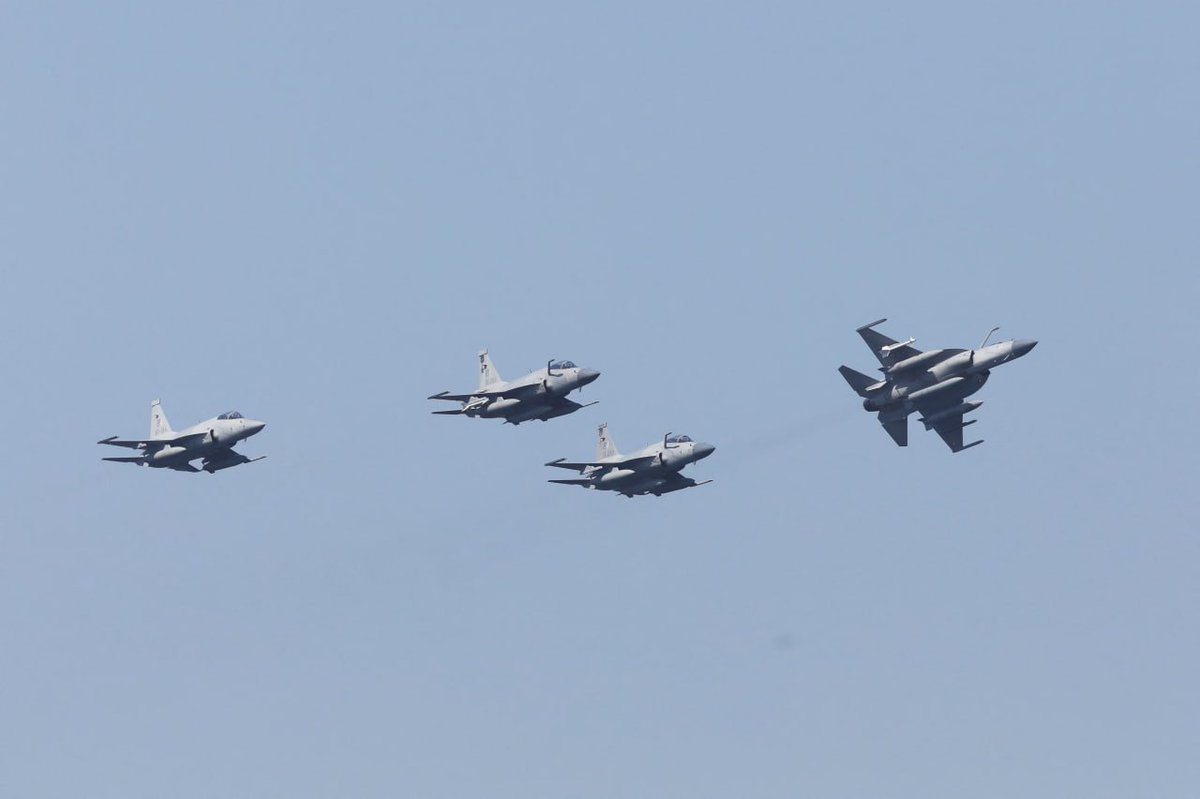


Pakistan has put on hold a proposed $1.5 billion arms agreement with Sudan after Saudi Arabia objected to the deal and decided not to finance it, according to a report by Reuters.
The development is seen as a setback for Islamabad’s ambitions to expand defence exports, especially after its military equipment and fighter jets gained increased visibility following last year’s military tensions with India.
Deal Was Near Final Stage Before Funding Withdrawal
Earlier reports in January indicated that the agreement between Pakistan and Sudan was in its final stages and had been brokered with the involvement of Saudi Arabia. However, Riyadh’s role as a financial backer was not publicly disclosed at the time.
According to the latest developments, Saudi Arabia has now signalled that Pakistan should terminate the deal after it decided to drop the idea of funding the project.
Saudi Arabia remains one of Pakistan’s closest allies and has historically provided financial support to Islamabad, particularly during periods of economic stress.
Relations between the two countries deepened further after signing a mutual defence pact last year, which stated that aggression against either nation would be treated as an attack on both.
Sudan Conflict Continues To Fuel Regional Tensions
The conflict in Sudan between the national army and the paramilitary Rapid Support Forces has created one of the world’s most severe humanitarian crises over the past three years.
The war has also intensified geopolitical competition among regional powers and raised concerns about the stability of Sudan, a country known for its significant gold production and strategic location near the Red Sea.
Some Western countries reportedly advised Saudi Arabia to avoid involvement in proxy conflicts in Africa, which may have influenced its decision to withdraw financial support.
Saudi Arabia And UAE Back Rival Sides In Sudan
Regional tensions have been further complicated by the involvement of Gulf nations. Both Saudi Arabia and the United Arab Emirates have supported opposing sides in various conflicts, including Sudan.
While both nations publicly advocate diplomatic solutions, Saudi Arabia has generally supported Sudan’s national army. Meanwhile, the UAE has faced accusations of providing logistical support to the Rapid Support Forces — allegations that Abu Dhabi has consistently denied.
According to the report, a meeting held in Riyadh in March between Sudanese military leaders and Saudi officials ultimately led to Riyadh’s decision to withdraw funding for the deal.
Pakistan’s Defence Plans In Libya Also Face Uncertainty
The fallout from Saudi Arabia’s changing strategy may also affect another proposed defence agreement involving Pakistan and Libya.
Earlier reports suggested Islamabad was negotiating a $4 billion arms deal with the Libyan National Army. However, according to security sources, that agreement is now also at risk as Saudi Arabia reassesses its regional strategy in both Sudan and Libya.
Setback For Pakistan’s Defence Export Strategy
The halted Sudan deal represents a significant challenge for Pakistan’s broader strategy to expand its defence exports into new markets across Africa and the Middle East.
With Saudi Arabia reconsidering its involvement in regional conflicts and financing arrangements, Pakistan may face increased difficulty in securing funding and support for future defence agreements.