
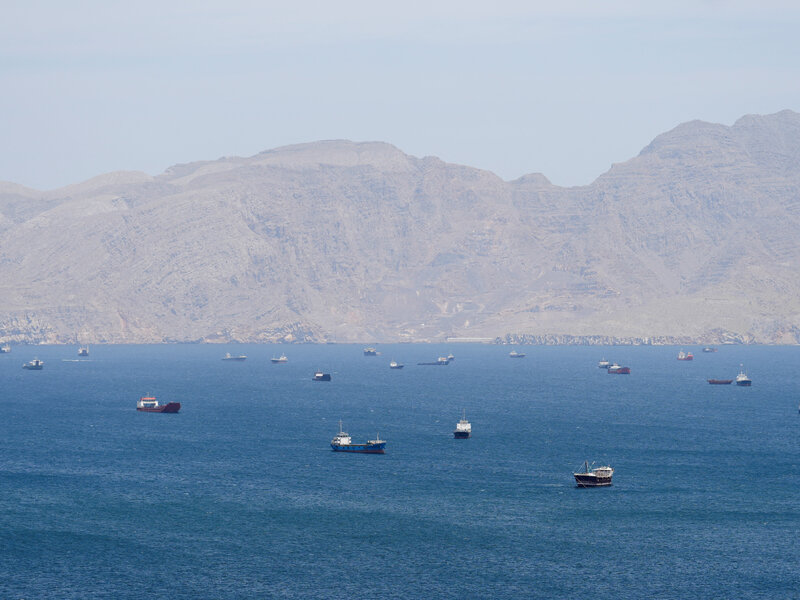


Washington: Donald Trump, President of the United States, has rejected Iran’s proposal to ease restrictions on shipping through the strategically vital Strait of Hormuz, insisting that economic pressure on Tehran will remain in place.
According to reports cited by Axios, Trump made it clear that the U.S. blockade against Iran would continue despite Tehran’s offer to loosen its grip on the waterway if Washington halted military operations and lifted sanctions.
US Open To Military Action If Iran Does Not Comply
In addition to rejecting the proposal, Trump signalled that further military steps remain an option if Iran fails to act in line with U.S. demands.
The report noted that the United States Central Command has already prepared a short wave of potential strikes targeting Iranian positions, indicating the seriousness of the situation.
The tensions come amid a fragile ceasefire between Washington and Tehran following earlier hostilities that raised fears of a wider regional conflict.
Iran Proposal Delivered Through Pakistan
According to officials cited by The Associated Press, Iran communicated its offer to U.S. officials through Pakistan.
The proposal suggested that Iran would ease restrictions on shipping in the Strait of Hormuz if the United States:
- Ended its military campaign
- Lifted the economic blockade
- Postponed negotiations over Iran’s nuclear program until after the conflict ended
However, U.S. officials appear unwilling to accept any arrangement that delays nuclear-related discussions.
Nuclear Program Remains Core U.S. Concern
Marco Rubio, U.S. Secretary of State, indicated that nuclear restrictions must remain central to any agreement with Iran.
Speaking to Fox News, Rubio emphasised that Washington cannot accept any deal that sidelines Iran’s nuclear activities.
He stressed that any future agreement must definitively prevent Tehran from rapidly advancing toward nuclear weapons capability, signalling Washington’s firm stance on the issue.
Under Iran’s proposal, negotiations over its nuclear activities would be postponed until after the war formally ends and maritime disputes in the Persian Gulf are resolved — a condition U.S. policymakers have repeatedly rejected.
Strait Of Hormuz At The Centre Of Global Energy Tensions
The dispute largely revolves around the Strait of Hormuz, a narrow but critical shipping route located between Iran and Oman.
Roughly one-fifth of the world’s traded oil and gas typically passes through this waterway, making it one of the most strategically important maritime corridors in the world.
Iran’s restrictions on shipping have:
- Stranded several oil tankers
- Disrupted global supply chains
- Increased uncertainty in international energy markets
Meanwhile, the U.S. blockade aims to limit Iran’s oil exports — a major source of revenue for Tehran.
Global Economic Pressure And Regional Concerns Grow
The ongoing standoff has already had economic consequences. Oil and gasoline prices in the United States have surged ahead of key midterm elections, adding domestic political pressure on the administration.
At the same time, Gulf Arab nations that rely heavily on the Strait of Hormuz for exporting energy have urged both sides to prioritise reopening the route and preventing further escalation.
Despite Iran’s offer to ease its restrictions, Washington’s refusal to separate maritime issues from nuclear negotiations indicates that diplomatic progress may remain difficult in the near term.