
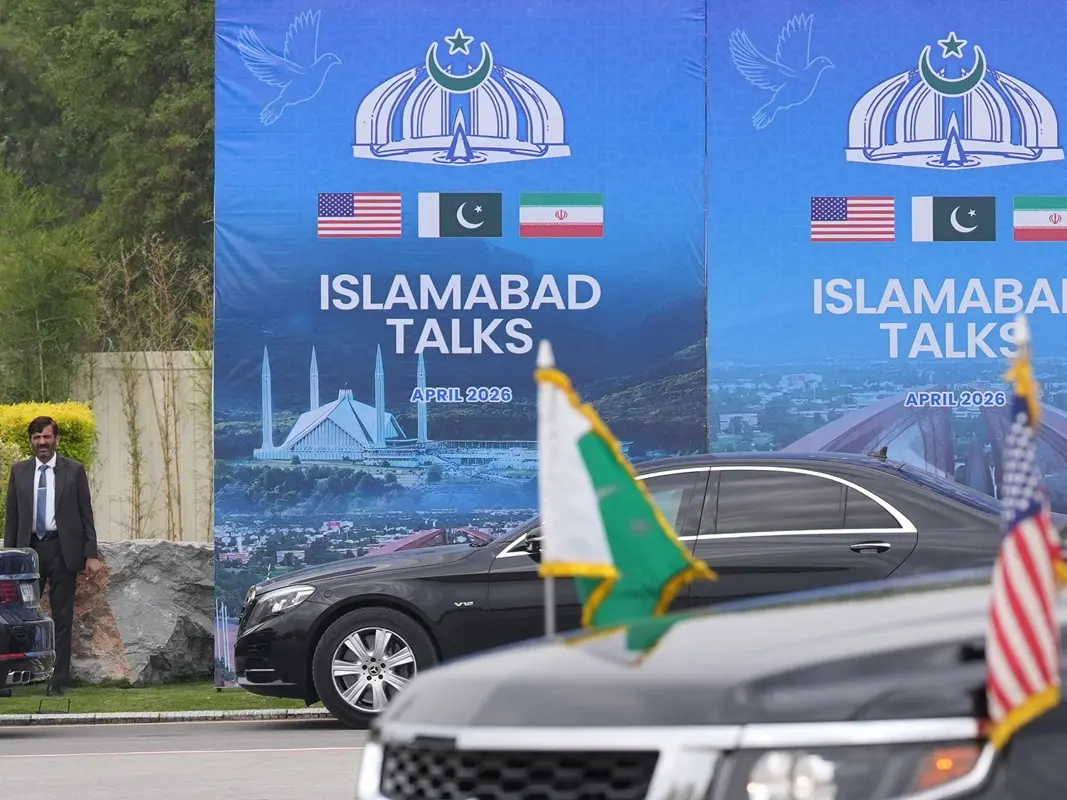


The United States has reportedly placed two major conditions before agreeing to restart negotiations with Iran, as diplomatic efforts to stabilise the region continue.
According to reports, Donald Trump said new rounds of negotiations with Tehran could resume within the next two days, adding that Washington had been approached by “the right people” interested in reaching an agreement.
However, before talks can restart — likely in Islamabad — the US has outlined two preconditions it wants Iran to meet.
First Condition: Full Reopening Of The Strait Of Hormuz
One of Washington’s key demands is the complete and unrestricted reopening of the Strait of Hormuz, one of the world’s most critical maritime chokepoints.
Reports citing diplomatic sources suggest the US is adhering to a principle of reciprocity. Under this approach, if Iran blocks the movement of ships and oil tankers through the strait, Iranian vessels could face similar restrictions.
The Strait of Hormuz is vital to global energy supply, handling a significant share of international oil shipments. Any disruption there has immediate consequences for global trade and energy markets.
Second Condition: Iranian Delegation Must Have Full Authority
Another major US requirement is that Iran’s negotiating team must have full backing from the Islamic Revolutionary Guard Corps (IRGC).
Washington reportedly wants confirmation that all senior Iranian officials support the delegation’s authority to finalise agreements without internal interference.
This condition reflects concerns that previous negotiations were slowed or complicated by divisions within Iran’s leadership.
Reports Suggest Internal Divisions Within Iran
Media reports claim tensions may be growing between Iran’s political leadership and powerful military factions.
The reported rift involves figures such as Masoud Pezeshkian and Abbas Araghchi on one side, and influential members of the Islamic Revolutionary Guard Corps on the other.
According to the claims, senior Revolutionary Guards officials — including Ahmad Vahidi and Ali Abdollahi — allegedly prevented negotiators in Pakistan from responding fully to American proposals.
Reports further suggest that President Pezeshkian has urged parliament speaker Mohammad Bagher Ghalibaf, who is leading Iran’s delegation, to take decisive action to avoid worsening economic conditions.
Possible Return To Islamabad For Next Round
These developments come amid reports that delegations from both sides may soon return to Islamabad to resume discussions.
Officials familiar with the negotiations said proposals had been circulated to both Washington and Tehran regarding the timing of the next round. While no firm date has been confirmed, sources indicated the talks could take place later this week or early next week.
Pakistani officials reportedly said that outreach efforts to Iran had received a positive response, signalling readiness to continue negotiations.
First Direct Talks In More Than A Decade
The previous round of talks held in Islamabad last weekend ended without a breakthrough. The meeting took place just days after a ceasefire announcement and marked the first direct engagement between US and Iranian officials in more than a decade.
It was also described as the most senior level of contact between the two countries since the Iranian Revolution, which fundamentally reshaped Iran’s political system and its relationship with the United States.
Why These Talks Matter Globally
The outcome of negotiations between the United States and Iran carries significant global implications, especially for energy markets, regional stability, and maritime trade.
Reopening the Strait of Hormuz and resolving internal decision-making challenges within Iran could determine whether meaningful diplomatic progress is possible in the coming days.