
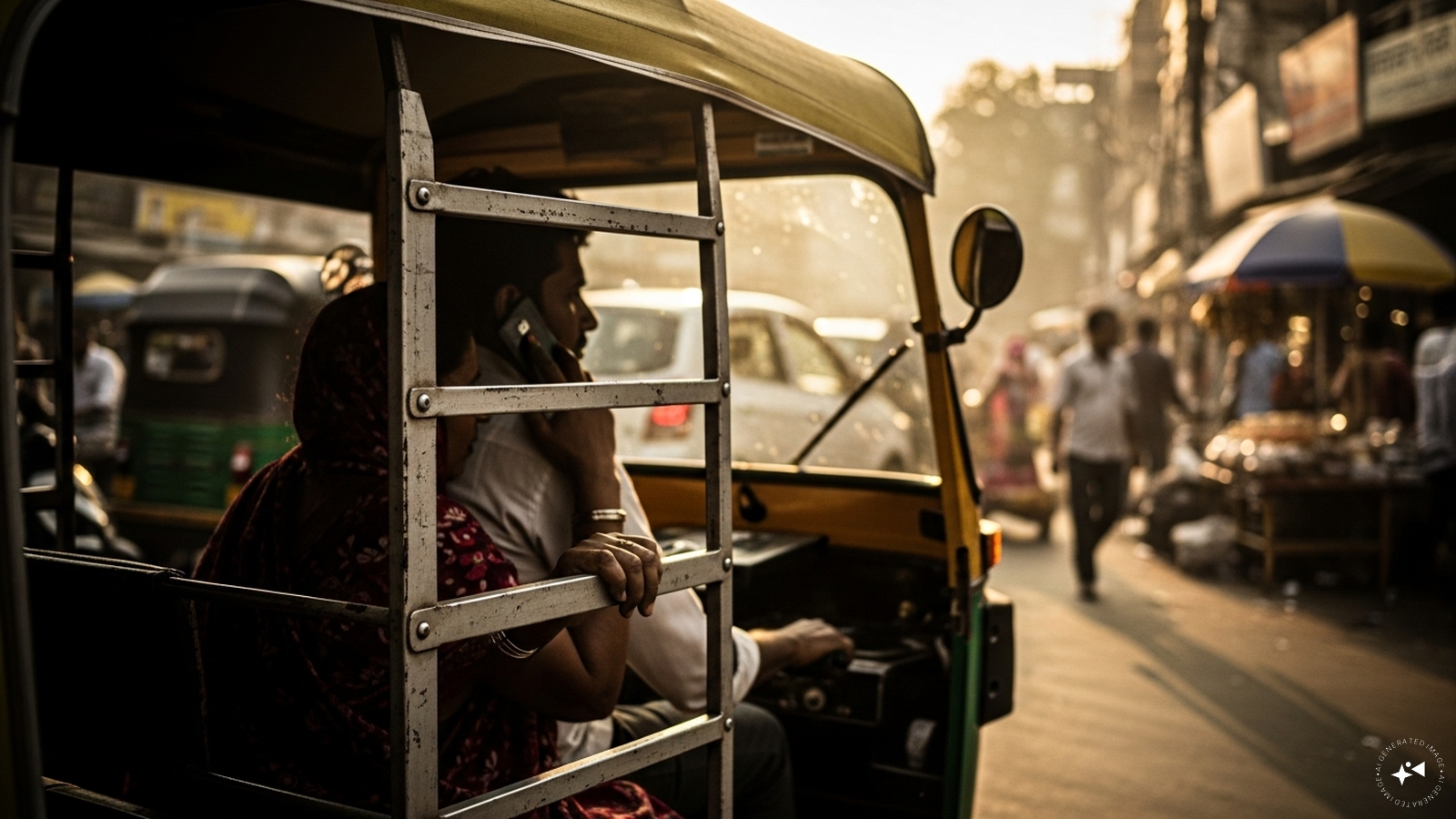


If you’ve ever navigated the chaotic streets of an Indian city, the auto rickshaw is a familiar friend. While most passengers ignore the utilitarian metal bars lining the sides, these rods are far from decorative. From structural integrity to passenger comfort, they serve several vital purposes that keep the “three-wheeler” functional and safe.
1. Structural Reinforcement
Unlike cars, which rely on a heavy, enclosed chassis for strength, auto rickshaws are lightweight and open-air. These side bars act as a crucial part of the frame, providing lateral stability. By reinforcing the structure, they prevent the vehicle from wobbling or “flexing” too much as it navigates uneven terrain and heavy city traffic.
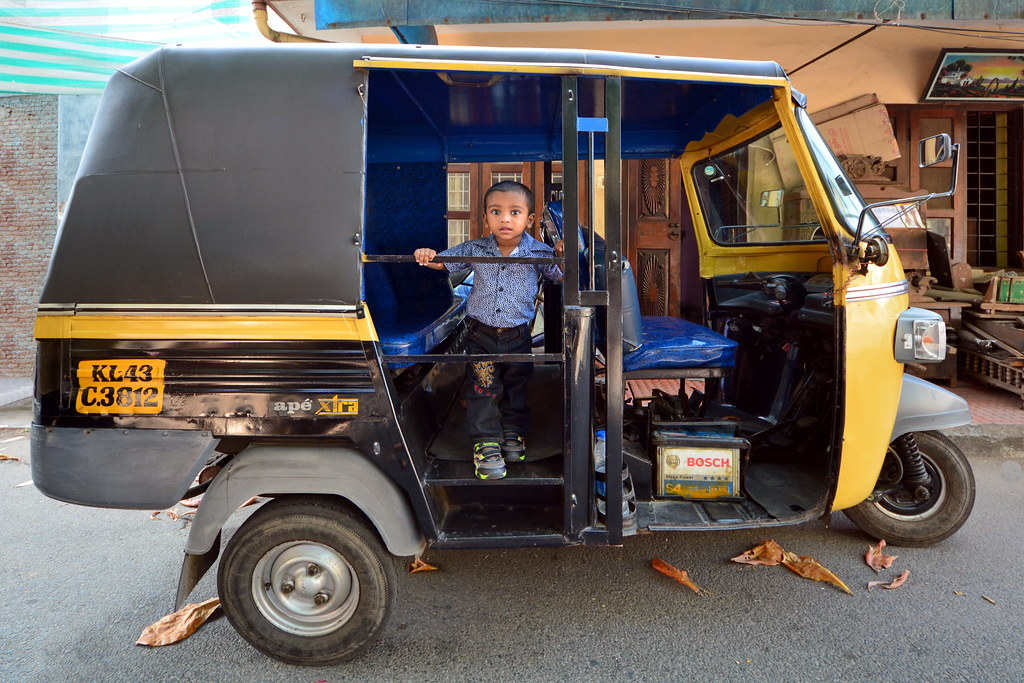
2. A Basic Safety Shield
Because autos lack doors, passengers can often feel exposed. While these bars aren’t designed to withstand high-impact collisions, they provide a buffer zone. In the event of a minor side-swipe or a sudden swerve, the rods offer a physical boundary that keeps passengers contained and provides a slight distance from external obstacles.
3. Stability for the Commuter
Indian roads are notorious for potholes, sudden brakes, and sharp turns. The side rods serve as essential handrails. They allow passengers to:
- Maintain their balance during bumpy rides.
- Secure themselves so they don’t slide across the seat during quick maneuvers.
- Safely board and exit the vehicle, providing a sturdy grip for elderly passengers or those entering while the rickshaw is in slow motion.
4. Weather Protection and Utility
The utility of these bars extends to the driver’s needs as well. They function as the mounting point for weather covers; during the monsoon or winter, plastic or fabric sheets are tied to these rods to protect the cabin. Additionally, they are frequently used as hooks for hanging grocery bags or small parcels, making the most of the limited space.
The Bottom Line: Those metal rods might look simple, but they are a masterclass in frugal engineering—balancing weight, safety, and everyday convenience in one of India’s most iconic modes of transport.