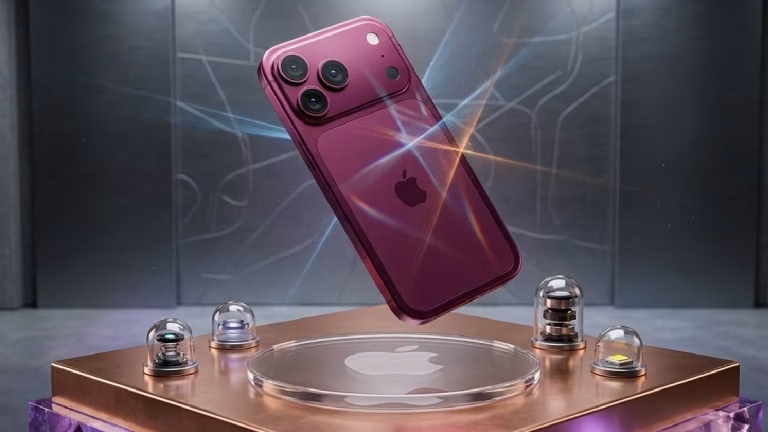
The upcoming iPhone 18 Pro may not introduce a dramatic redesign, but its influence is already reshaping the Android smartphone market. Apple’s future design direction is reportedly pushing Android manufacturers toward adopting similar display and software aesthetics, raising concerns about smartphones becoming increasingly identical in appearance and experience.
Apple’s Push for Borderless Displays
One of the most talked-about innovations planned for future iPhones is Apple’s move toward completely cutout-free displays. Reports suggest the Apple aims to eventually eliminate notches and punch-hole cameras by integrating Face ID technology beneath the screen.
The company is expected to begin this transition with the iPhone 18 Pro, although technical challenges with under-display Face ID may delay the full implementation. Apple’s longer-term vision reportedly includes a fully seamless display design by the time the iPhone 20 Pro arrives.
This trend is already influencing Android manufacturers. Major Chinese smartphone brands including Xiaomi, Oppo, Vivo, Honor, Huawei, and OnePlus are reportedly developing similar borderless display technologies for future devices.
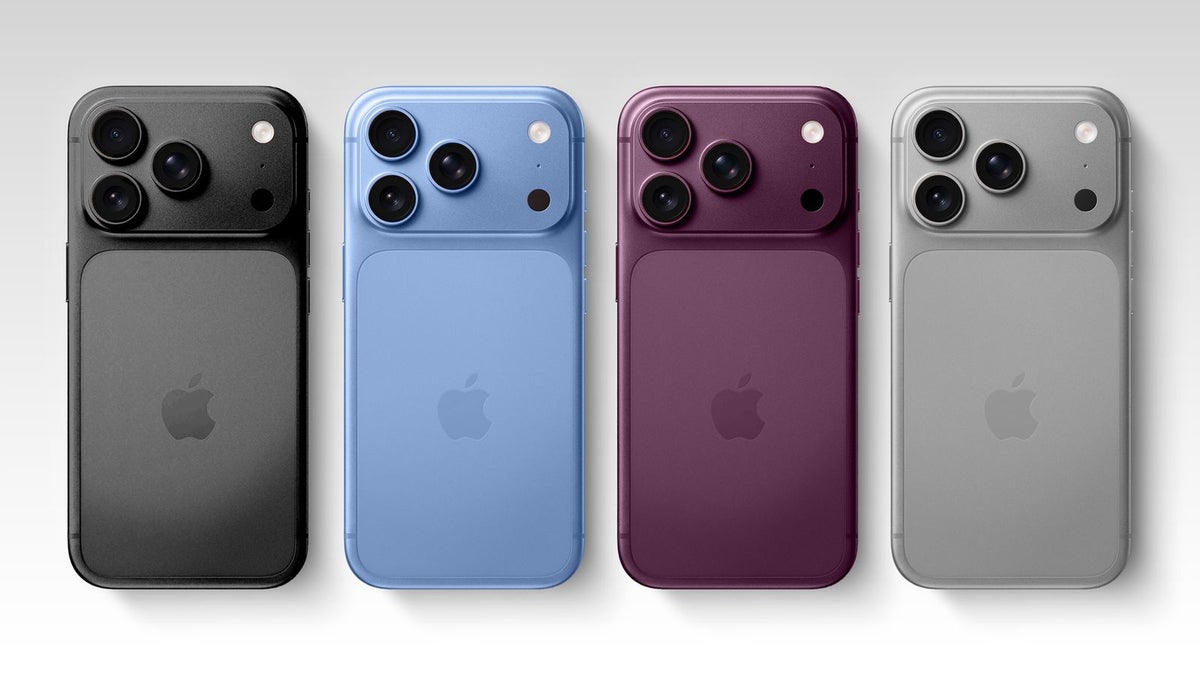
Many users view this as a positive shift, as uninterrupted displays could provide a cleaner and more immersive viewing experience.
Liquid Glass Design Spreading Across Android
Another Apple design trend making its way into Android is the “Liquid Glass” visual style introduced across Apple operating systems. The transparent, glass-inspired interface received praise for its visual creativity and even earned recognition for innovation in user interface design.
However, the design has also divided opinion. Some users appreciate the futuristic appearance, while others find the translucent effects distracting or uncomfortable during extended use.
Despite mixed reactions, many Android smartphone interfaces are already adopting similar visual elements. Operating systems from Chinese smartphone brands now feature frosted-glass effects, translucent menus, and animations strongly resembling Apple’s software direction.
Even Google has introduced Android interface updates with softer glass-like visuals, though the company insists it is not directly copying Apple’s approach. Meanwhile, Samsung and its One UI software are also showing increasing similarities to iOS-inspired design trends.
Concerns Over a Lack of Identity
While borderless displays are widely welcomed, there is growing concern that smartphone brands are losing their unique design identities by closely following Apple’s direction.
Critics argue that Android’s strength has always been diversity in both hardware and software experiences. As more manufacturers adopt similar display designs and interface aesthetics, smartphones risk becoming visually indistinguishable from one another.
There are also calls for companies to offer greater customization options, especially for transparency-heavy interfaces like Liquid Glass, allowing users to reduce or disable visual effects based on personal preference.
The Future of Smartphone Design
Apple’s influence over the smartphone industry remains stronger than ever, and the iPhone 18 Pro appears set to accelerate another major shift in design trends. While innovations like uninterrupted displays could improve the user experience, the growing similarity between Android and iPhone devices may continue to spark debate among tech enthusiasts.