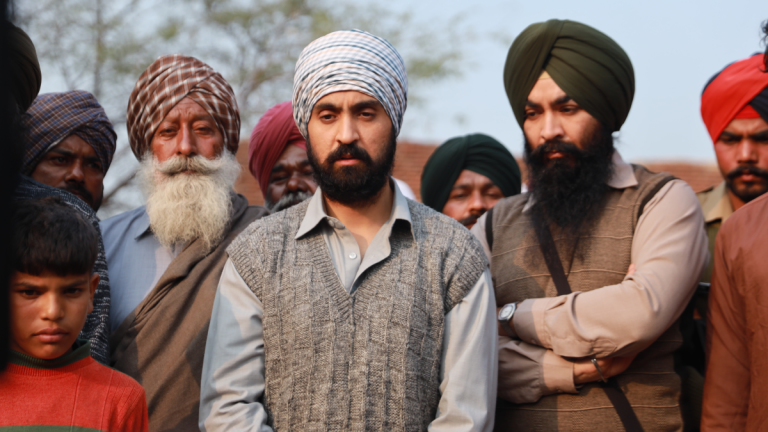
The controversy surrounding Diljit Dosanjh’s film Satluj has intensified after Rajya Sabha MP and RTI activist Saket Gokhale questioned its sudden removal from ZEE5 India. Just two days after the film premiered on the streaming platform, it was taken down, prompting Gokhale to write to the Ministry of Information and Broadcasting, seeking clarity over the decision and urging the government to reconsider its stance.
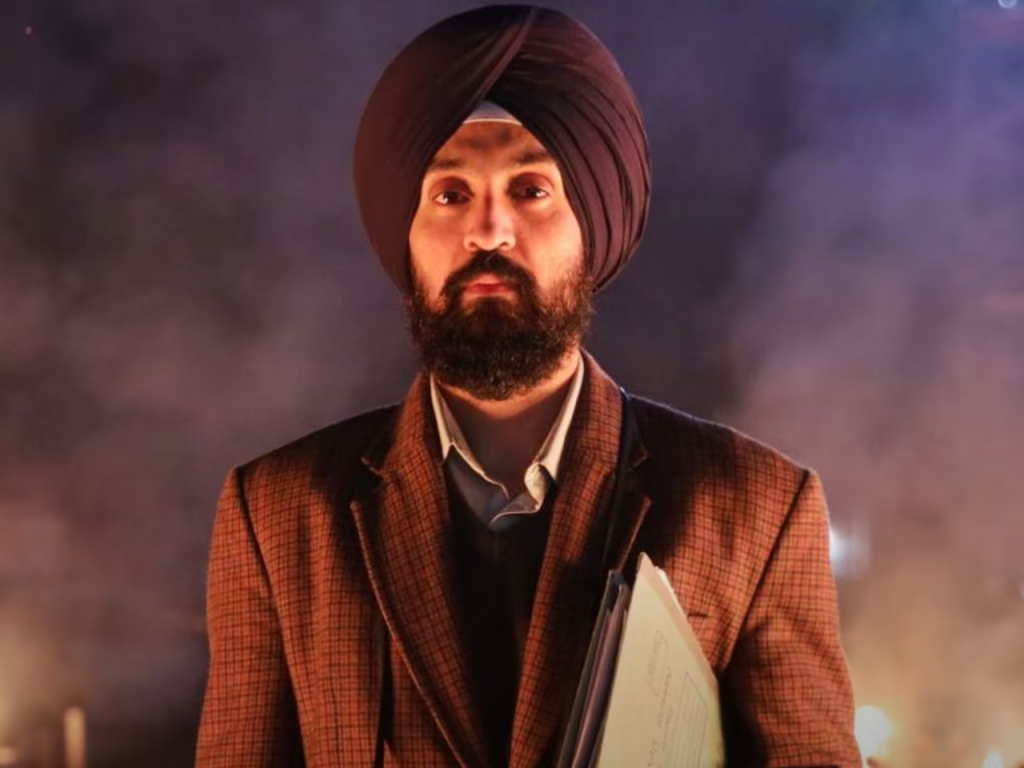
Directed by Honey Trehan, Satluj is inspired by the life of renowned human rights activist Jaswant Singh Khalra, who exposed alleged extra-judicial killings and illegal cremations in Punjab during the 1990s. The film, which was released on ZEE5 on Friday, became unavailable for streaming by Sunday evening, reigniting debates over censorship and artistic freedom.
Sharing his letter addressed to Union Minister for Information and Broadcasting Ashwini Vaishnaw, Gokhale revealed that he had watched the film before it was removed. In the letter, he described Satluj as a powerful cinematic work and urged the minister to watch it personally. “I was fortunate to watch the film ‘Satluj’ yesterday before an order, purportedly from your Ministry, forced the OTT platform ZEE5 to take it down. I would highly recommend that you watch the film to understand that banning it does a great disservice to our country,” he wrote.
The MP argued that the film serves as a reminder of a painful chapter in India’s history and pays tribute to Jaswant Singh Khalra, whose efforts to expose alleged human rights violations ultimately cost him his life. Gokhale said the film encourages viewers to acknowledge historical injustices rather than ignore them, calling it an important conversation starter on accountability and healing.
In his letter, Gokhale further stated that Satluj does not target any particular political party but instead presents documented events surrounding alleged human rights abuses. He maintained that confronting difficult periods in history is essential for a democratic society and that suppressing such stories would neither erase the past nor contribute to reconciliation.
Concluding his appeal, Gokhale said banning the film would not undo the tragedies it portrays. Instead, he argued that the discussions generated by Satluj could help the nation reflect on past mistakes and pave the way for healing. Sharing the letter on social media, he wrote, “I understand this is a futile exercise but history will not forgive us if we choose to remain silent.”
Originally titled Punjab ’95, the film had faced significant hurdles even before its release. Reports suggested that the Central Board of Film Certification (CBFC) had earlier sought 125 cuts for a theatrical release, resulting in a delay of nearly four years. The film eventually premiered on ZEE5, with Diljit Dosanjh stating that the version released on the platform was uncut.
Following the removal, ZEE5 issued a statement confirming that Satluj would remain unavailable for streaming in India until further notice due to the “current developments.” The platform also reiterated its support for the film and its creators. Meanwhile, Diljit Dosanjh had earlier hinted at possible challenges, stating during a livestream, “You can trouble me as much as you want. I am with Punjab till the day I die.”
The removal of Satluj has sparked widespread debate over freedom of expression, censorship, and the role of cinema in revisiting historical events, with several public figures and viewers calling for greater transparency regarding the decision.