
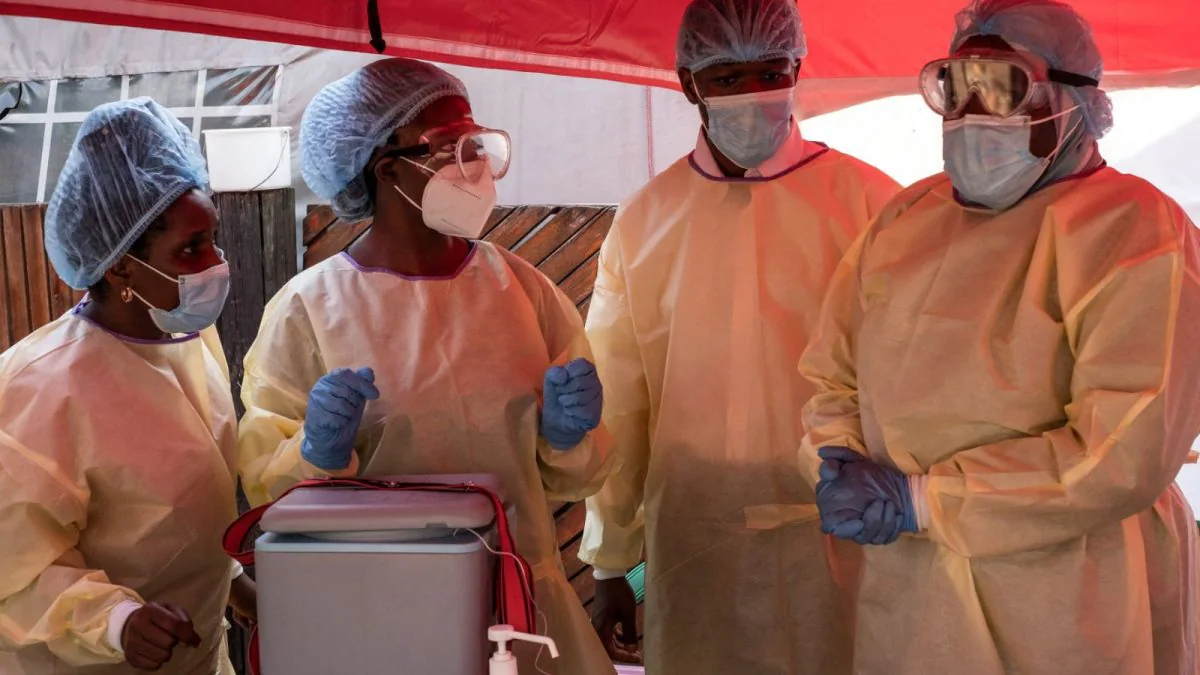

 has declared the ongoing Ebola outbreak in the Democratic Republic of the Congo (DRC))
The World Health Organization (WHO) has declared the ongoing Ebola outbreak in the Democratic Republic of the Congo (DRC) and Uganda a Public Health Emergency of International Concern following a steady rise in cases.
Health officials revealed that the outbreak involves the Bundibugyo strain of Ebola, a relatively rare variant for which there is currently no licensed vaccine or specific treatment available. Experts say this makes prevention and everyday health habits more important than ever.
Handwashing Remains One Of The Strongest Defences
Medical experts continue to emphasise the importance of regular handwashing during infectious disease outbreaks. Ebola spreads through direct contact with infected bodily fluids, making clean hands a vital first line of defence.
Using soap and water or alcohol-based sanitisers can significantly reduce the risk of transmission.
Avoid Touching Your Face Frequently
Touching the eyes, nose, and mouth can increase the risk of viruses entering the body. Health experts note that many people unconsciously touch their faces several times a day, which can become a major transmission route during outbreaks.
Maintain Distance From Sick Individuals
Doctors advise avoiding close physical contact with anyone showing symptoms such as fever, vomiting, unexplained bleeding, or severe weakness, particularly in affected regions.
Although Ebola does not spread as easily as airborne viruses like COVID-19, close contact remains a major source of infection.
Stop Ignoring Symptoms And “Pushing Through” Illness
Public health officials warn against attending work, school, or gatherings while feeling unwell. Staying home when sick not only protects others but also helps limit community transmission during outbreaks.
Learn The Early Symptoms Of Ebola
Experts say early Ebola symptoms can often resemble common illnesses. These include:
- Fever
- Fatigue
- Headache
- Muscle pain
- Weakness
Early detection and timely supportive care can improve survival chances significantly.
Community Participation Is Crucial
WHO officials stress that outbreaks are controlled not just in hospitals but also within communities. Responsible travel behaviour, safe caregiving practices, and following public health advisories can help break transmission chains effectively.
Trust Verified Health Information
Health experts warn that misinformation during outbreaks can create panic and delay treatment. People are encouraged to rely on verified updates from official health agencies instead of social media rumours and unverified forwards.
Public Health Begins With Everyday Habits
While Ebola may not directly affect most people globally, the outbreak serves as a reminder that basic hygiene, awareness, and responsible behaviour remain essential tools in preventing the spread of infectious diseases.