
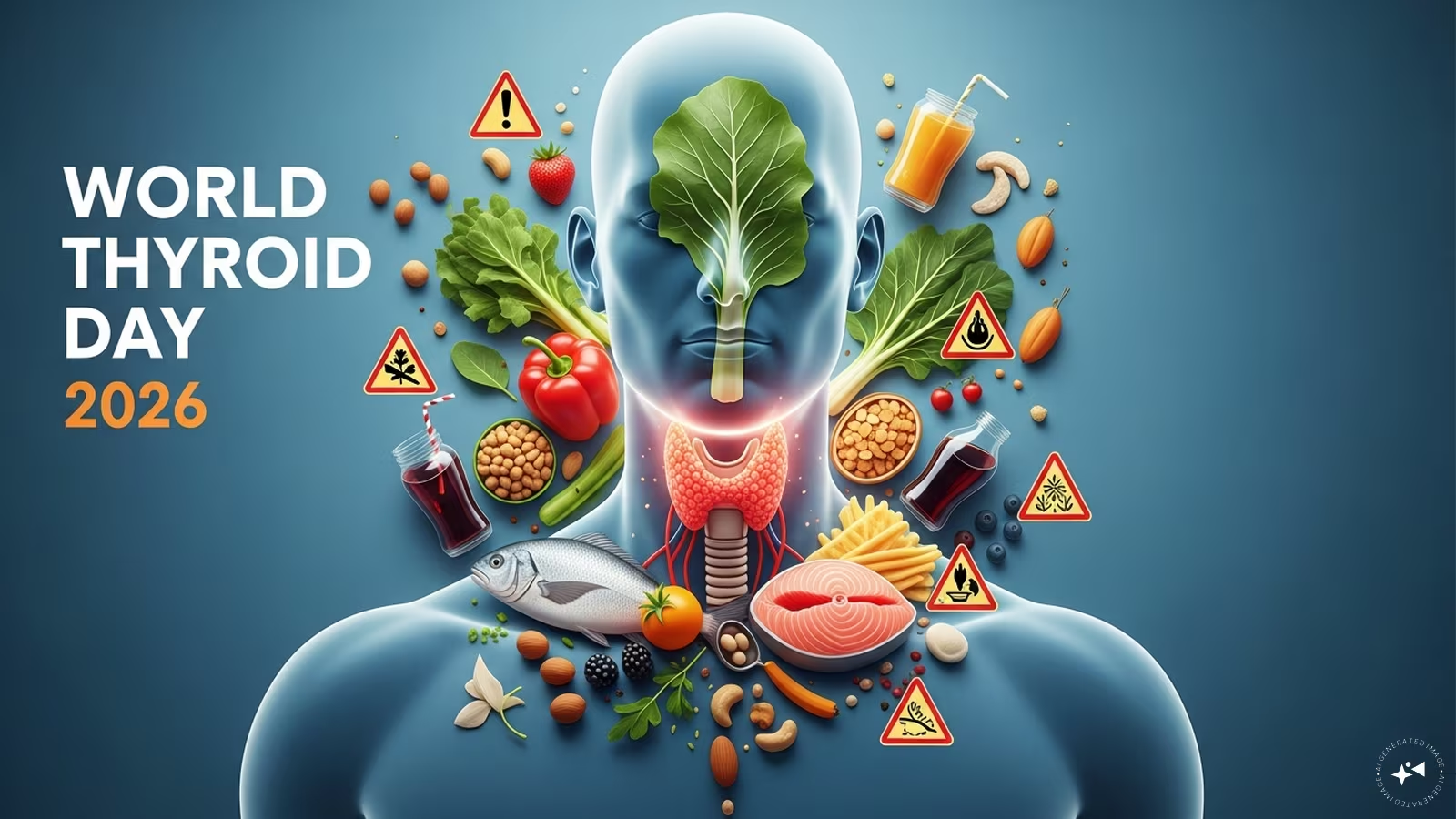


World Thyroid Day is observed annually on May 25 to spread awareness about thyroid disorders, their symptoms, early diagnosis, and treatment options. Conditions such as hypothyroidism and hyperthyroidism often require lifestyle and dietary adjustments to help regulate hormone levels and improve overall wellbeing.
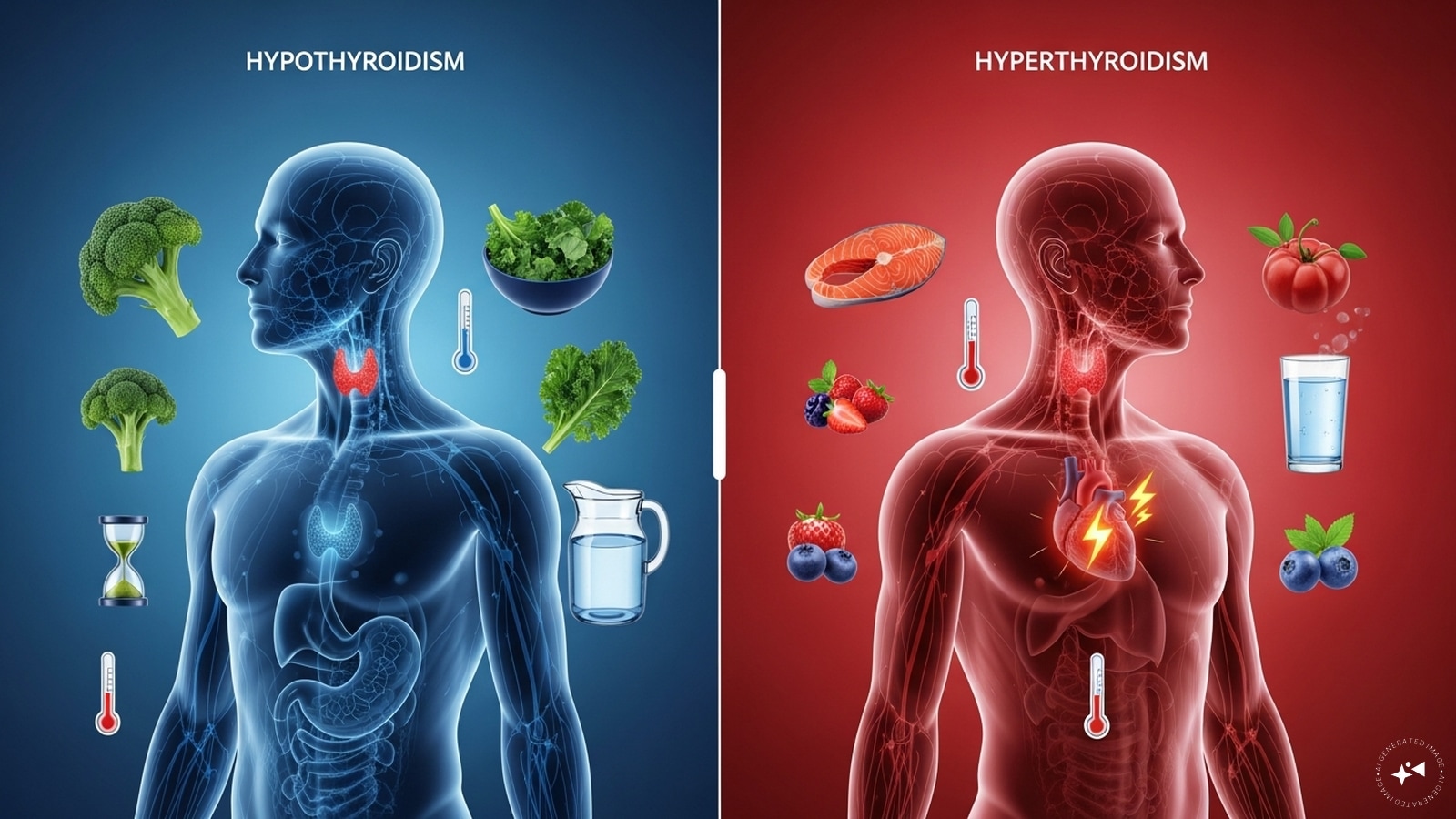
Health experts say certain foods may interfere with thyroid hormone production or reduce the effectiveness of medications, making careful dietary choices essential for thyroid management.
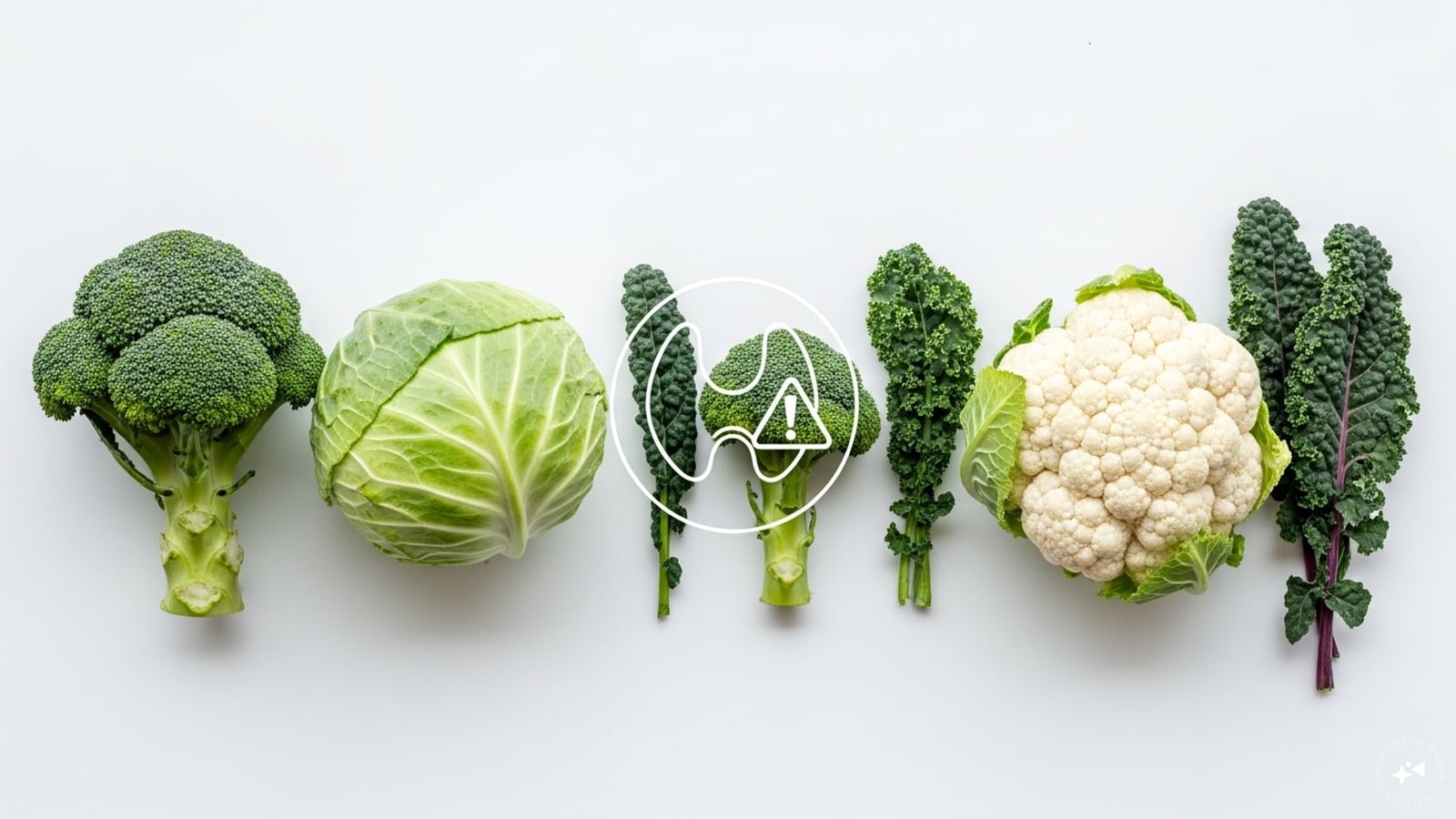
Cruciferous Vegetables May Affect Iodine Absorption
Vegetables like broccoli, cabbage, cauliflower, and kale contain compounds known as goitrogens, which can interfere with iodine absorption if consumed excessively. This may especially impact people with hypothyroidism.
However, experts note that cooking these vegetables significantly reduces their goitrogenic properties, making them safer to consume in moderation.
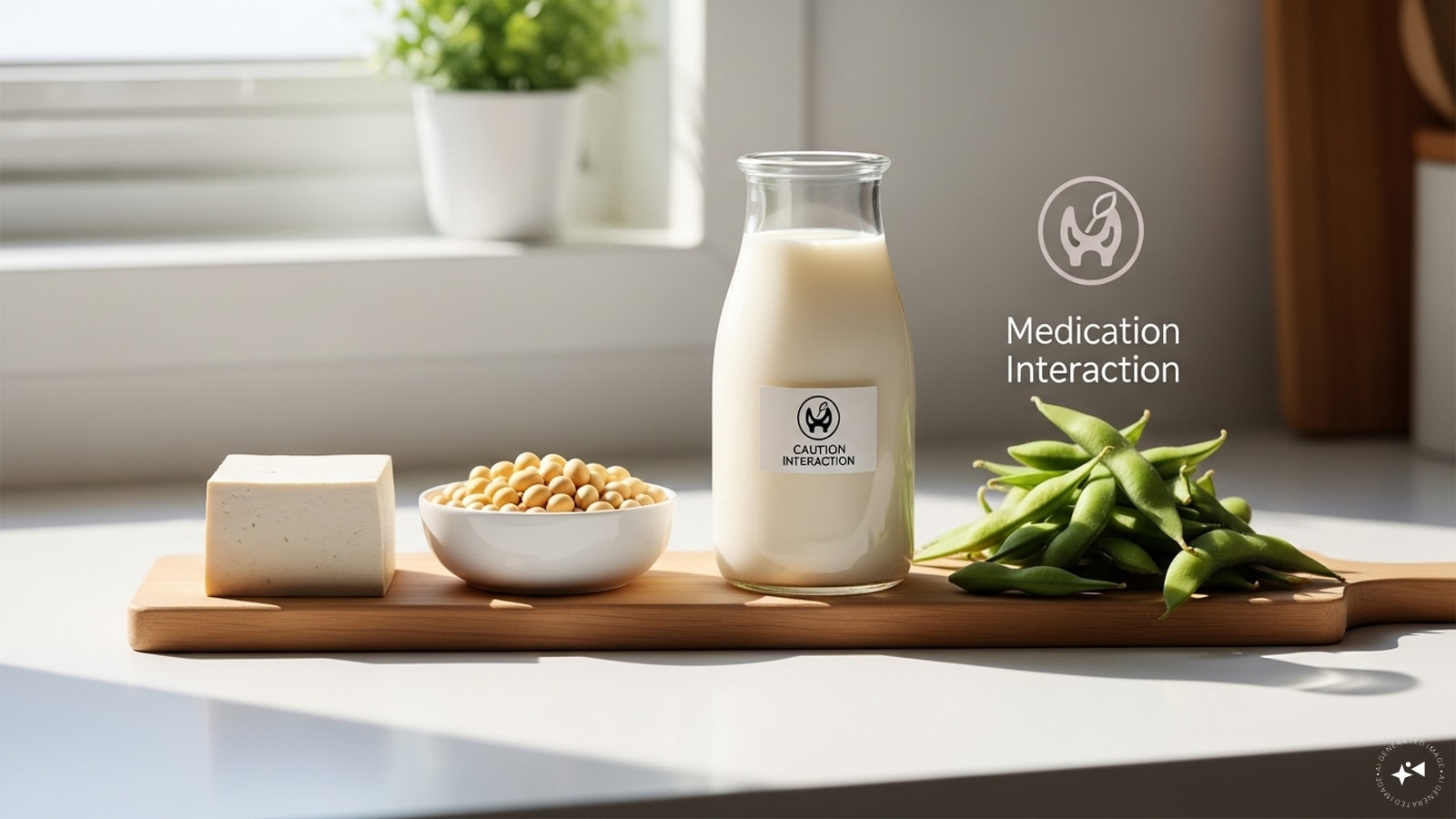
Soy Products Can Interfere With Medication Absorption
Soy-based foods such as tofu, soy milk, and edamame may affect how the body absorbs thyroid medication. Doctors generally advise maintaining a gap between consuming soy products and taking thyroid medicines to avoid reduced effectiveness.
Gluten May Trigger Inflammation In Some Patients
Foods containing gluten, including wheat, barley, and rye, may worsen symptoms in individuals suffering from autoimmune thyroid disorders such as Hashimoto’s thyroiditis.
Experts believe gluten can contribute to inflammation in sensitive individuals, which may aggravate thyroid-related symptoms.
Excess Iodine Intake Can Be Harmful
While iodine is important for thyroid function, consuming excessive amounts may negatively affect people with hyperthyroidism. Foods like seaweed, kelp, and excessive iodized salt may overstimulate thyroid hormone production.
Maintaining balanced iodine intake is considered crucial for thyroid health.
Processed And Sugary Foods Can Worsen Symptoms
Highly processed foods, sugary drinks, and fast food may contribute to inflammation, fatigue, and weight gain, making thyroid conditions harder to manage.
Nutritionists recommend focusing on a balanced diet rich in whole foods, lean proteins, fruits, and vegetables for better hormonal health.
Consult A Doctor Before Making Major Dietary Changes
Experts emphasise that thyroid-related diets should always be personalised according to an individual’s medical condition and treatment plan. Patients are advised to consult healthcare professionals before making significant dietary restrictions or changes.