
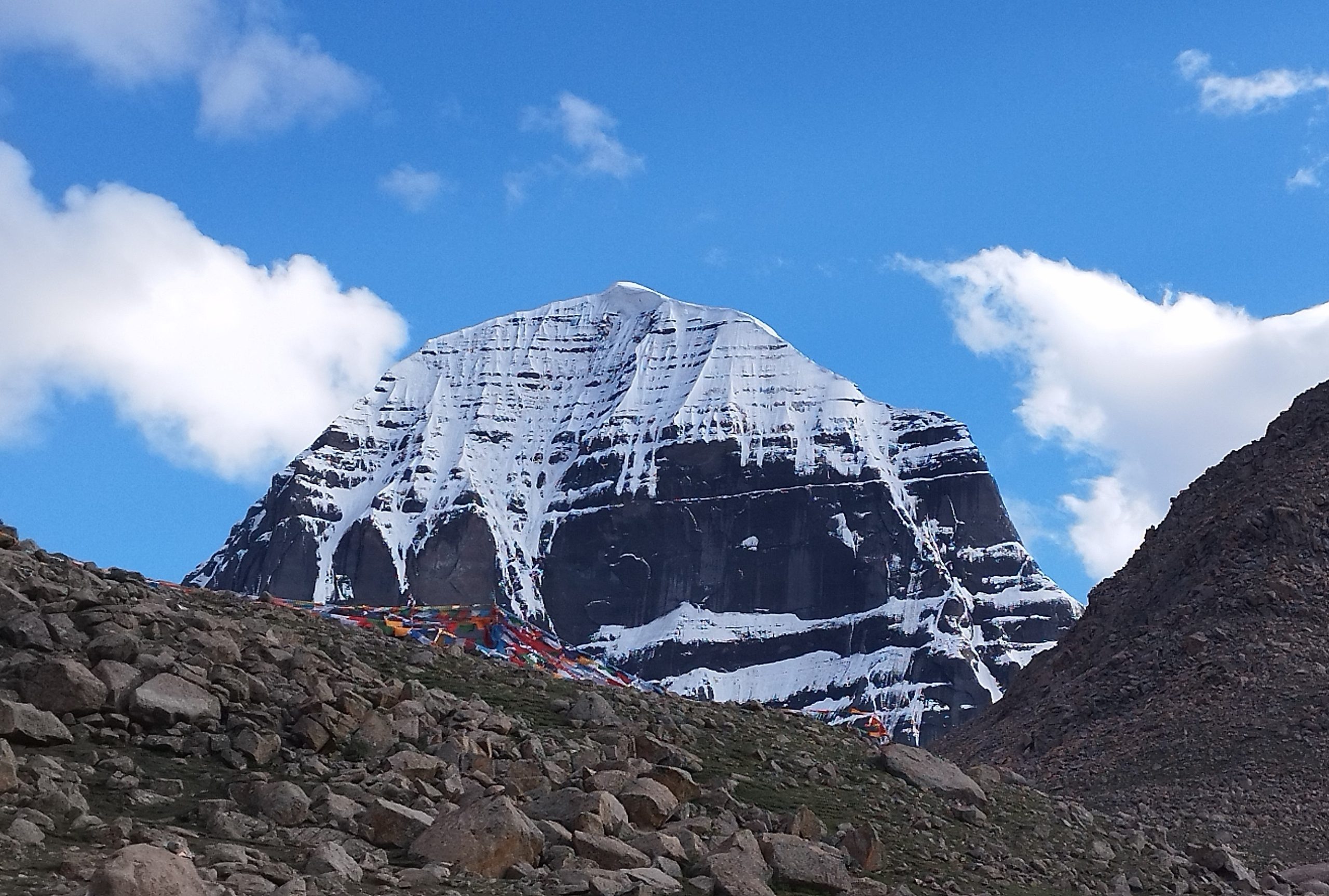


The sacred Kailash Mansarovar Yatra is set to take place from June to August 2026, offering devotees a chance to undertake one of the most spiritually significant journeys in the Himalayas. Known for its religious importance and breathtaking landscapes, the yatra attracts pilgrims seeking to visit Mount Kailash and Lake Mansarovar.
The government has opened registrations, with the last date to apply being May 19, 2026. The entire process is conducted online and selections are made through a computerized draw system.
How to Apply for Kailash Mansarovar Yatra 2026
The application process for the yatra is fully digital and handled through the official portal. Applicants must first register online by creating an account. After registration, they need to upload essential documents, including a passport copy and a recent photograph within the specified size limits.
Pilgrims can choose their preferred route and departure point—typically Delhi, Dharchula, or Gangtok—based on convenience and availability. The system also allows group applications, enabling up to two people to register together for the same batch.
The selection of participants is done through a fair, random, and gender-balanced computerized draw, ensuring transparency in the allocation of slots.
Eligibility Criteria for Pilgrims
Due to the extreme altitude and physically demanding nature of the journey, eligibility requirements are strict. Applicants must be Indian citizens with a valid passport that remains valid for at least six months beyond September 2026.
The age limit for participation is between 18 and 70 years. Physical fitness is a key requirement, with a Body Mass Index (BMI) of 25 or below considered acceptable.
Individuals with certain medical conditions such as heart disease, asthma, diabetes, hypertension, or epilepsy are generally not eligible, as these conditions can pose serious risks at high altitudes. Foreign nationals, including OCI and PIO cardholders, are not permitted to apply.
Duration and Routes of the Yatra
The yatra typically lasts between 23 to 25 days, depending on the chosen route. There are two primary routes available: the Lipulekh route and the Nathu La route.
The Lipulekh route is considered more traditional and physically demanding, while the Nathu La route is relatively less strenuous but more expensive due to logistical arrangements.
Cost and Expenses Involved
The cost of the yatra varies based on the selected route. The Lipulekh route is estimated at around ₹2.09 lakh, while the Nathu La route can cost approximately ₹3.31 lakh.
A non-refundable confirmation fee of ₹5,000 must be paid after selection. Additional expenses include mandatory medical tests, visa fees, and group-related costs. Medical screening at designated centres may cost around ₹5,500, with additional tests if required.
Pilgrims must also account for expenses incurred in Tibet, which include fees in US dollars and Chinese yuan, depending on the route. These charges significantly add to the overall cost of the pilgrimage.
Why the Yatra Is Significant
The Kailash Mansarovar Yatra holds deep spiritual importance in Hinduism, Buddhism, Jainism, and Bon traditions. Mount Kailash is believed to be the abode of Lord Shiva, while Lake Mansarovar is considered a symbol of purity and spiritual cleansing.
Apart from its religious value, the journey also offers a rare opportunity to witness the unique geography, flora, and serene beauty of the Himalayan and Tibetan regions.