
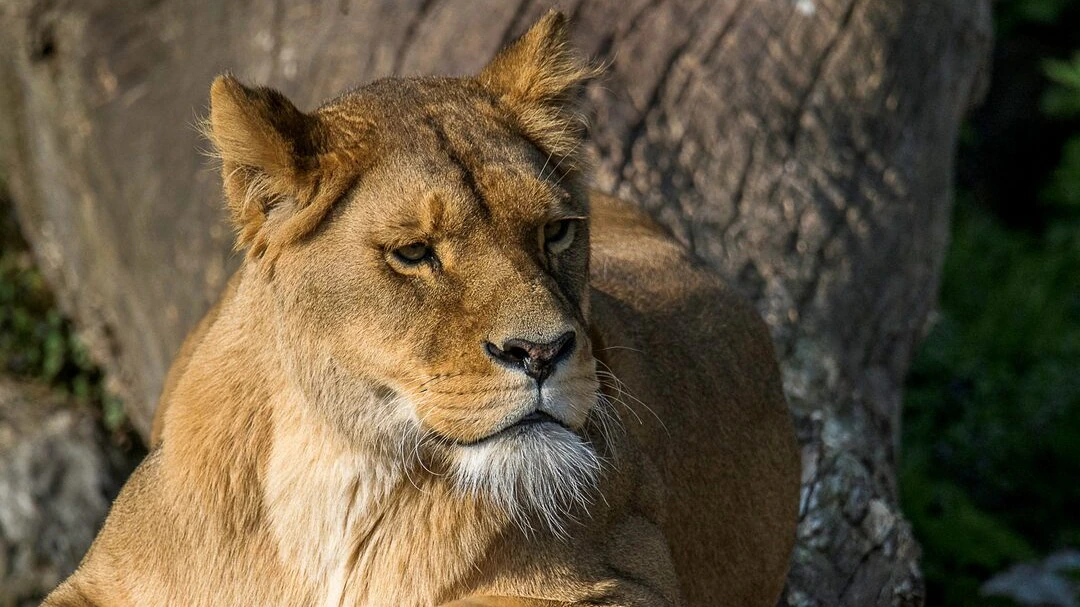


In a rare fusion of urban development and raw nature, Nairobi has officially earned the title of the “Wildlife Capital of the World.” It remains the only major city on the planet where a fully functioning national park exists within its own borders, creating a striking contrast between modern glass skyscrapers and ancient African savannah.
The Heart of the Capital: Nairobi National Park
Established in 1946, Nairobi National Park is the cornerstone of this title. Located just 7 to 10 kilometers from the city’s Central Business District, it offers a landscape unlike any other:
- The Skyline View: Visitors can photograph lions, giraffes, and rhinos with the city’s towering office buildings as a backdrop.
- A Sanctuary for the Endangered: The park serves as a critical refuge for the Black Rhino, an endangered species that thrives just minutes away from urban traffic.
- Diverse Predators: Despite its proximity to busy roads, the park is home to leopards and lions that roam freely in their natural habitat.
A Rare Model for Conservation
While many global cities are situated near forests or mountains, Nairobi’s connection is direct. The park is not just a tourist attraction; it is a vital ecosystem that demonstrates how nature and development can coexist. This unique positioning makes it a global case study for wildlife conservation in the 21st century.
Bringing Two Worlds Together
From the bustling streets of Kenya’s capital to the quiet, open grasslands, Nairobi bridges two distinct worlds. This seamless transition from the “concrete jungle” to the actual jungle ensures its status as a bucket-list destination for nature lovers and urban explorers alike.