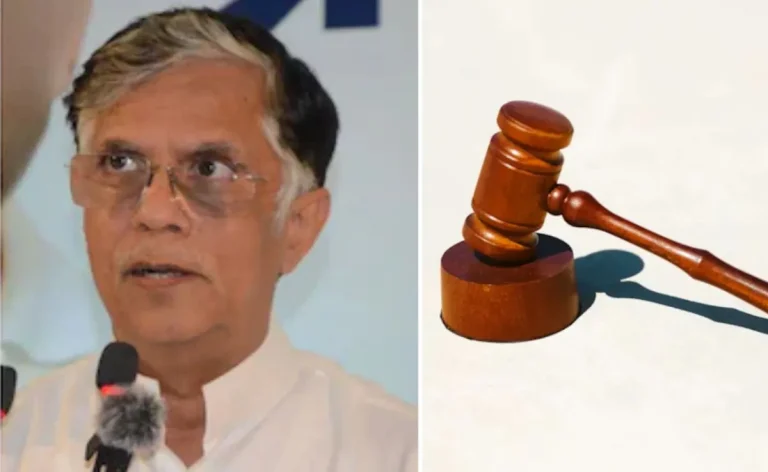
A heated exchange unfolded in the Supreme Court on Thursday during the hearing of Congress leader Pawan Khera’s anticipatory bail plea, as arguments between the defence and prosecution turned sharply political and personal.
The case, linked to allegations made by Khera against Assam Chief Minister Himanta Biswa Sarma’s wife, saw strong remarks from both sides, with the court ultimately reserving its judgment.
Sharp Words Inside the Courtroom
Senior advocate Abhishek Manu Singhvi, representing Khera, strongly criticised statements attributed to the Assam Chief Minister. He accused the prosecution side of reflecting “venom and malice” and used sharp language to describe Sarma’s conduct in the matter.
Singhvi said such behaviour was unbecoming of a constitutional authority, remarking that “Dr Ambedkar would turn over in his grave” if he saw a constitutional office-holder acting like a “constitutional cowboy” or “constitutional Rambo.”
He argued that the push for custodial interrogation was unnecessary and excessive, claiming that arrest should never be used as a form of punishment or harassment.
He also questioned the scale of police action, alleging that a large police team had been deployed in a manner that suggested intimidation rather than investigation.
Prosecution Calls Khera ‘Absconding’
On the other side, Solicitor General Tushar Mehta strongly opposed the bail plea, describing Khera as “absconding” and non-cooperative in the investigation.
He told the court that Khera had been avoiding investigators while continuing to release public statements and videos claiming he was not evading authorities.
According to the prosecution, the case involves serious allegations beyond defamation, including claims of fabricated and doctored documents.
Mehta argued that custodial interrogation was necessary to determine how the alleged fake documents were created and whether others were involved in the process, including possible external assistance or foreign links.
Defence Pushes Back on Arrest
Singhvi countered that the allegations do not justify arrest, stating that most of the charges were bailable and that investigation could proceed without custody.
He argued that anticipatory bail should not be denied based on speculation about influence, flight risk, or intent, and maintained that Khera had expressed willingness to cooperate with the investigation.
The defence also stressed that legal proceedings should not be turned into a tool for harassment or political pressure.
Background of the Case
The case stems from allegations made by Khera against the wife of Assam Chief Minister Himanta Biswa Sarma, including claims related to multiple passports and undisclosed assets.
Following these remarks, multiple FIRs were filed against Khera in Guwahati under provisions of the Bharatiya Nyaya Sanhita.
Earlier, the Telangana High Court had granted transit anticipatory bail to Khera, but the Supreme Court later intervened and directed him to approach the Gauhati High Court.
The Gauhati High Court subsequently rejected his anticipatory bail plea, prompting him to move the Supreme Court again.
What Happens Next
After hearing arguments from both sides, the Supreme Court bench reserved its order on whether Khera should be granted protection from arrest.
The final decision will determine whether he can avoid custodial detention while the investigation continues.