
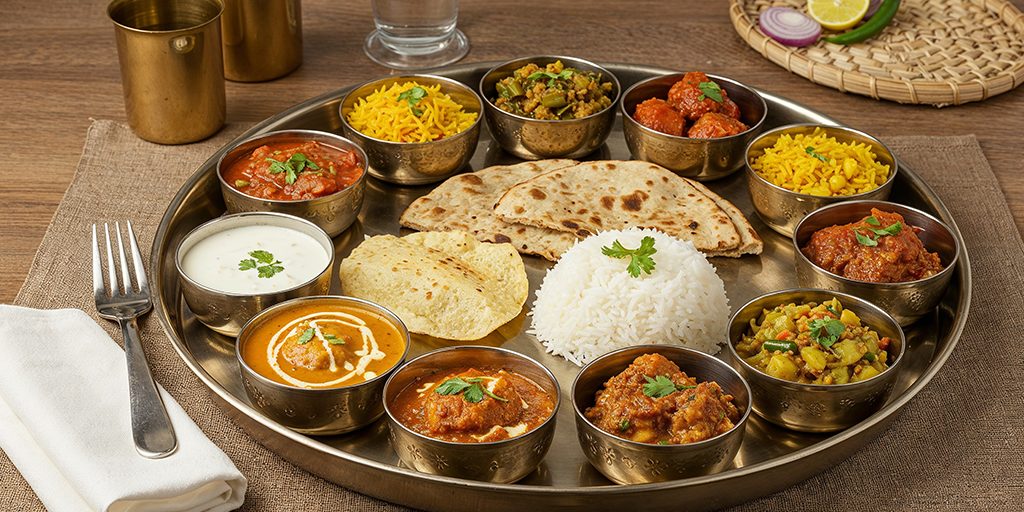


A nutritional shift is underway in Indian households. Once relegated to the world of athletes and bodybuilders, protein and gut health are now becoming the primary focus of daily meals. With nearly 70% of Indians failing to meet their daily protein requirements, the conversation has moved from supplements to “proteinizing” staples like roti, snacks, and breakfast.
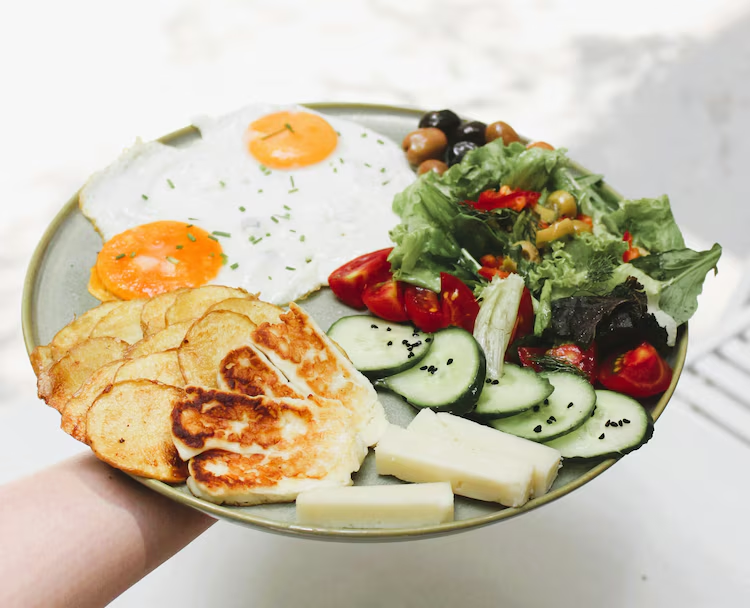
The Silent Crisis: Protein Deficiency in Women
Experts highlight a significant gap in women’s nutrition, where awareness remains low despite high physiological needs.
- The Numbers: Between 50% and 80% of Indian women are protein deficient.
- Critical Phases: The deficit is most dangerous during adolescence, pregnancy, and post-menopause, where protein is vital for bone density, fetal growth, and preventing muscle loss.
- The Timing Issue: Most Indian breakfasts and snacks are carb-heavy, leaving a cumulative protein shortfall that is rarely recovered by dinner.
Redefining the Indian Thali
To bridge the gap, nutritionists are advocating for a science-backed balance in the traditional plate. Dr. Shantanu Das of ITC Limited suggests a 3:1:2.5 ratio of whole cereals, legumes, and milk to ensure both protein quantity and quality.
The Golden Rules for Daily Nutrition:
- Quality Over Quantity: Incorporate diverse sources like paneer, curd, soya, eggs, or lean meat into every meal.
- Target: Aim for protein to contribute 15–20% of total calories per meal (approx. 15–20g).
- Familiar Formats: Rather than drastic lifestyle changes, “stealth health” is winning. Using protein-fortified atta (flour) or high-protein oats allows families to eat better without changing their habits.
2026 Trends: The “Year of Protein”
As we move through 2026, several key trends are shaping the future of Indian food:
- Everyday Proteinisation: Protein is no longer an “add-on” but an integral part of staples like dairy and snacks.
- Clean Label Movement: Consumers are demanding easy-to-digest formats with transparent ingredient lists.
- The “Right Shift”: Specialized nutrition for the over-40 demographic—focusing on muscle health and metabolic resilience—is gaining mainstream traction.
- Plant-Based Growth: High-quality plant proteins tailored to local palates (like Moringa or Soya-based products) are seeing record demand.