
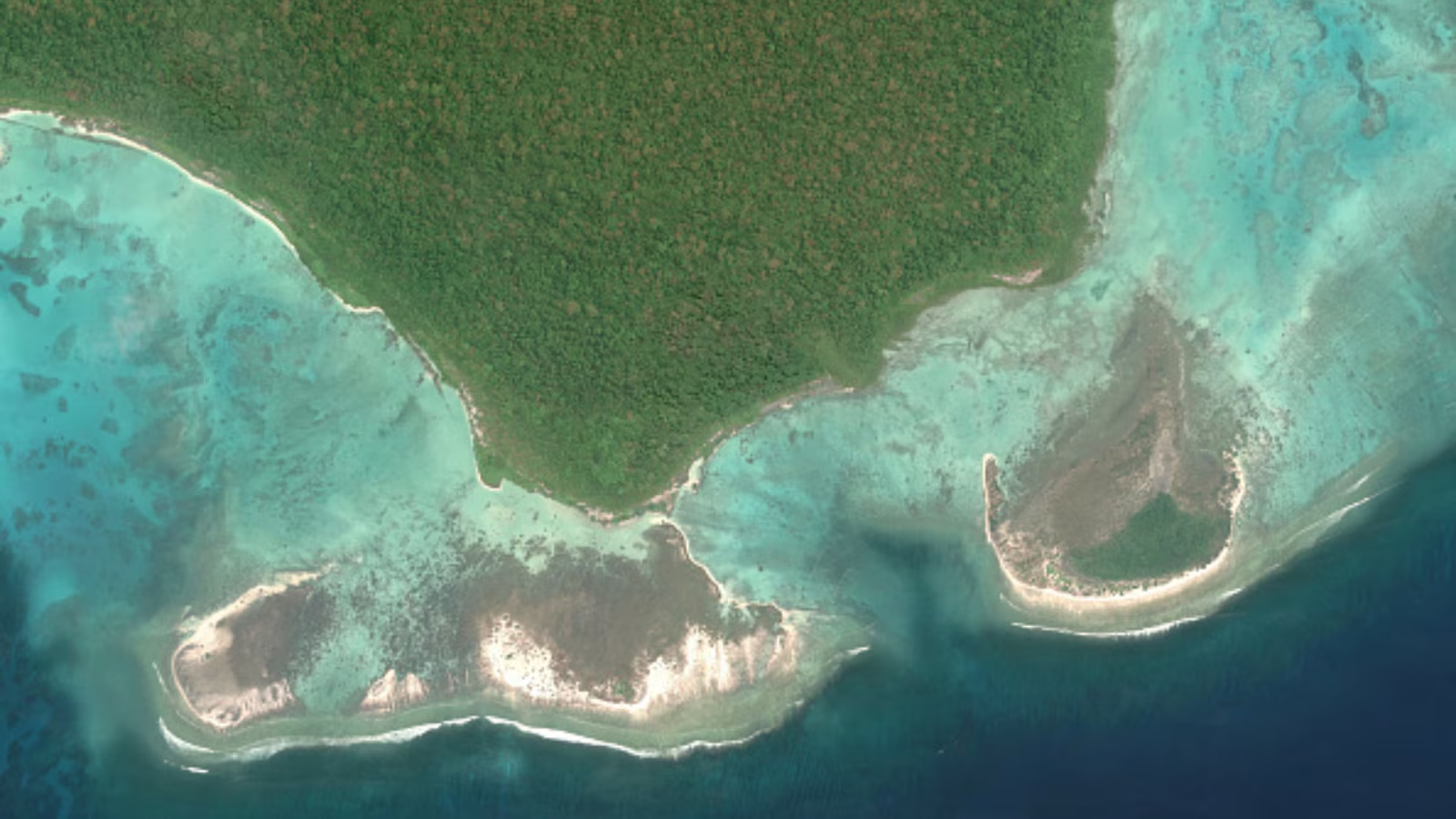


North Sentinel Island is one of the most remote and protected places on Earth. Home to the Sentinelese tribe, the island remains completely off-limits—not just to tourists, but also to researchers and most government officials. This strict restriction exists for critical reasons tied to survival, safety, and respect.
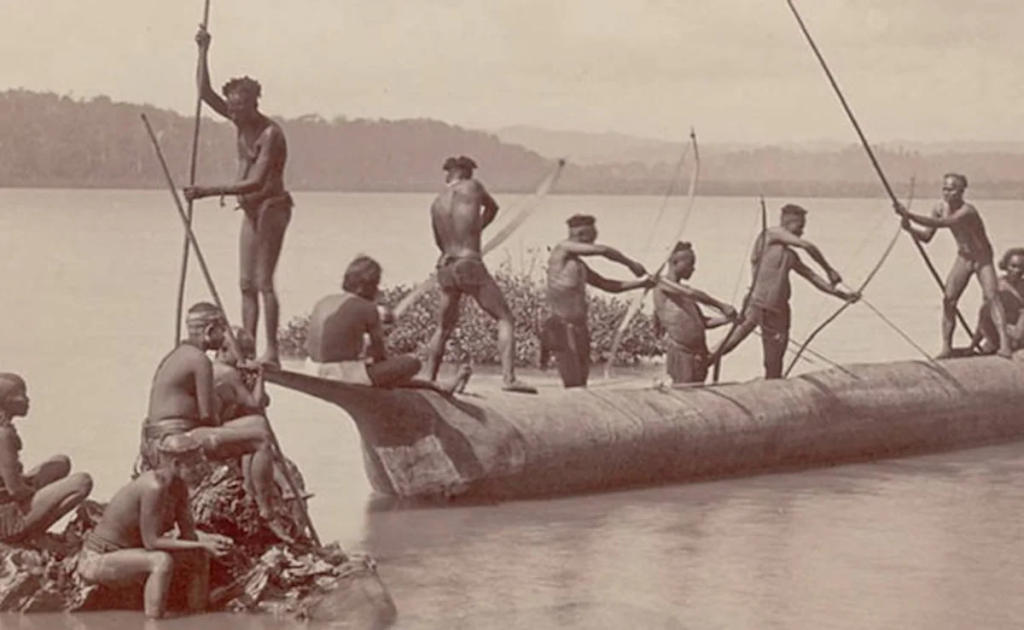
1. Protection from Deadly Diseases
The Sentinelese have lived in isolation for thousands of years, meaning they have little to no immunity to common illnesses. Even minor infections like the flu or a cold could wipe out large parts of their population. Past interactions with other tribes in the Andaman region have shown how devastating such exposure can be.
2. Respecting Their Clear Rejection of Contact
The tribe has consistently resisted outside contact. They have responded to approaching outsiders with arrows, signaling a firm desire to remain undisturbed. This is not random hostility—it is a deliberate effort to protect their land, culture, and way of life.
3. Legal Protection Under Indian Law
The island is safeguarded under the Andaman and Nicobar Islands (Protection of Aboriginal Tribes) Regulation, 1956. This law enforces a strict “no-contact” policy and establishes buffer zones that prohibit boats or individuals from coming close.
4. Safety Risks for Outsiders
There have been fatal incidents involving people who attempted to approach the island. Fishermen drifting too close have been killed, and in 2018, John Allen Chau died after illegally trying to contact the tribe. These events highlight the real dangers involved.
5. Preserving a Unique Way of Life
Unlike most parts of the world, the approach here is not to integrate or modernise the community. Instead, authorities aim to ensure the Sentinelese can continue living as they always have—independently and undisturbed.
In a world driven by exploration and connectivity, North Sentinel Island stands as a rare exception. The restrictions are not about secrecy but about responsibility. The safest and most ethical approach is simple: respect their boundaries and leave them alone.