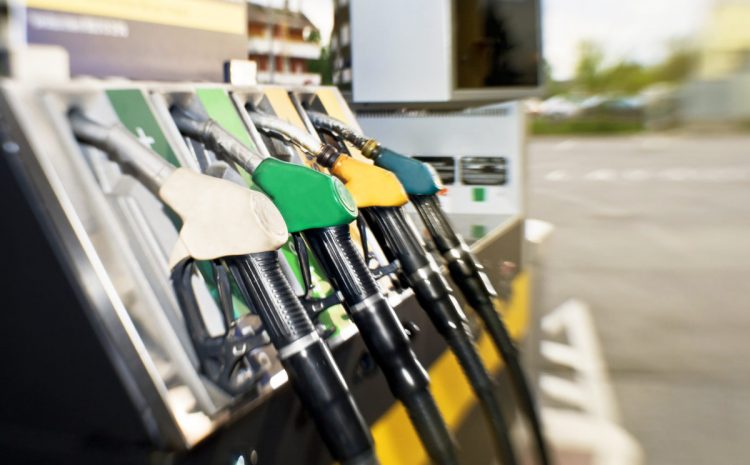
After weeks of speculation, the central government finally increased the retail prices of petrol and diesel across major Indian cities on Friday, May 15, 2026. This marks the first price hike for common consumers in four years. Additionally, the cost of compressed natural gas (CNG) has risen by ₹2 per kg in both Delhi and Mumbai. The decision comes as state-run oil companies struggle with massive daily losses caused by high global crude oil prices.
Revised Fuel Rates in Metro Cities
The price hike varies slightly between cities due to local taxes, with Kolkata seeing the highest jump for petrol and diesel.
Revised Petrol Prices (Per Litre)
| City | New Price | Increase |
| Delhi | ₹97.77 | +₹3.00 |
| Kolkata | ₹108.74 | +₹3.29 |
| Mumbai | ₹106.68 | +₹3.14 |
| Chennai | ₹103.67 | +₹2.83 |
Revised Diesel Prices (Per Litre)
| City | New Price | Increase |
| Delhi | ₹90.67 | +₹3.00 |
| Kolkata | ₹95.13 | +₹3.11 |
| Mumbai | ₹93.14 | +₹3.11 |
| Chennai | ₹95.25 | +₹2.86 |
Mounting Losses for Oil Marketing Companies
Major oil companies like IOCL, BPCL, and HPCL have been absorbing heavy financial shocks since the start of the Iran war on February 28, 2026. Global crude prices spiked from an average of $69 per barrel in February to over $114 in recent months.
Despite the surge, the government kept retail prices steady for months to control inflation. However, with oil companies losing nearly ₹1,600 crore every day, economists argued that the current model was no longer sustainable. Experts like Dr. Arvind Panagariya, Chairperson of the Finance Commission, had recently suggested that allowing prices to rise was necessary to protect the economy’s long-term health.
PM Modi’s Conservation Plea and Delhi’s Response
Prime Minister Narendra Modi recently addressed the nation, urging citizens to conserve fuel and opt for remote work where possible. He emphasized that saving fuel would protect India’s foreign exchange reserves during this volatile period.
Following this lead, Delhi Chief Minister Rekha Gupta launched a 90-day public campaign to encourage lifestyle changes. The Delhi government has also introduced a mandatory two-day work-from-home policy for government offices. While the country holds a 60-day fuel reserve and 45 days of LPG stock, the government continues to stress that conservation is the best defense against global market shifts.
Impact on Household Budgets and Inflation
This fuel hike is expected to have a “ripple effect” on the cost of living. Since transportation costs drive up the price of vegetables, fruits, and daily essentials, many families are bracing for higher grocery bills.
This move comes shortly after an increase in milk prices earlier this week. When essential items become more expensive, people usually spend less on non-essential goods, which can eventually slow down broader economic growth. While the government tried to delay this hike, the sharp rise in international energy costs made this adjustment unavoidable.