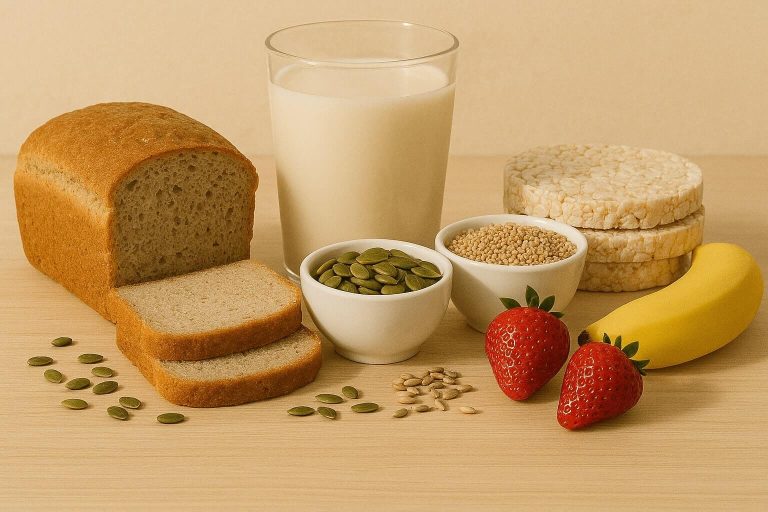
In recent years, more people have started cutting out sugar, gluten, dairy, soy and other common foods in the hope of improving their health. From bloating and fatigue to acne and brain fog, many individuals are searching for answers to symptoms that have quietly become part of modern life.
But experts say elimination diets are not meant to become permanent lifestyles for everyone. Instead, they are designed to help identify possible food triggers and understand how the body responds to certain ingredients.

Why Elimination Diets Are Becoming Popular
According to nutrition experts, chronic inflammation and digestive discomfort have become increasingly common. Many people experience symptoms such as tiredness, bloating, skin flare-ups or low energy so regularly that they begin to consider them normal.
Elimination protocols used in functional nutrition temporarily remove common inflammatory foods to help the body “reset” and identify possible sensitivities. These foods often include:
- Sugar
- Gluten
- Dairy
- Soy
- Lentils
- Peanuts
The idea is not to avoid these foods forever, but to create enough clarity to understand whether they are contributing to certain symptoms.
Dairy May Not Suit Everyone
Experts point out that a large percentage of the global population has some degree of lactose intolerance or lactose malabsorption.
While dairy products can be nutritious for many people, others may experience digestive issues, acne, inflammation or hormonal imbalances after consuming them. Individual tolerance levels can vary widely.
The Concern Around Sugar Alternatives
As more people try to reduce sugar intake, many turn to artificial sweeteners and “sugar-free” products.
However, some experts warn that certain artificial sweeteners may negatively affect gut health, alter blood sugar responses and increase cravings over time. This is why simply replacing sugar with processed substitutes may not always lead to better health outcomes.
Is Gluten Always Harmful?
Not everyone is intolerant to gluten, and experts stress that gluten-free diets are not necessary for everyone.
However, some people may feel better after temporarily removing modern wheat products from their diet. Changes in agricultural processing and higher gluten content in modern wheat varieties are often discussed as possible reasons behind increased digestive sensitivity in some individuals.
Short-term gluten elimination may help reduce inflammation, improve digestion and support nutrient absorption for certain people.
Elimination Is Not About Restriction
Nutritionists emphasise that healthy eating does not have to mean an empty or restrictive plate.
Traditional Indian foods still offer a wide range of nourishing options, including:
- Rice
- Idlis and dosas
- Fruits and vegetables
- Coconut
- Nuts and seeds
- Eggs and fish
- Traditional healthy fats
Rather than shrinking the diet completely, the focus should be on balance, awareness and understanding individual food tolerance.
The Importance Of Personalisation
Experts recommend avoiding self-diagnosis and extreme dietary restrictions without professional guidance. Completely eliminating major food groups for long periods may lead to nutrient deficiencies and unnecessary stress around eating.
Instead of blindly following food trends, health professionals encourage people to observe their bodies carefully and work with qualified nutritionists or doctors when trying elimination diets.
The Bottom Line
Going sugar-free, gluten-free or dairy-free is not automatically healthier for everyone. Elimination diets can be useful tools for discovering food sensitivities, but they are meant to guide understanding, not create lifelong fear around food.
Good health is less about following trends and more about finding a sustainable, balanced way of eating that supports both physical and mental well-being.
Tags: Nutrition, Health, Wellness, GlutenFree, DairyFree, SugarFree, HealthyEating, FunctionalNutrition, GutHealth, Inflammation, Lifestyle, FoodSensitivity, DietTrends, WellnessTips