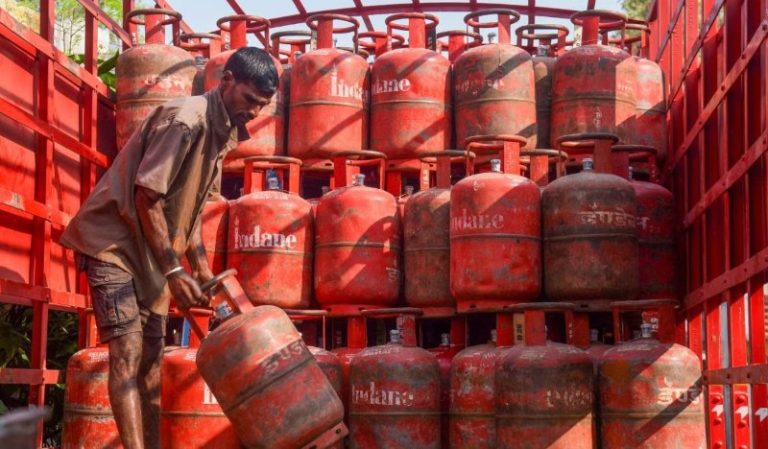
As of today, May 2, 2026, there is no change in the retail prices of domestic LPG, petrol, or diesel in India. However, state-owned Oil Marketing Companies (OMCs) have implemented a significant upward revision for commercial LPG cylinders.
Key Price Adjustments (Effective May 1, 2026)
- Commercial LPG (19-kg cylinder): The price has been increased by Rs 993 nationwide. In Delhi, the price of a commercial cylinder is now Rs 3,071.50, up from Rs 2,078.50.
- Mini LPG (5-kg cylinder): The price has been increased by Rs 261 to Rs 810.50, as these are sold at commercial rates.
- Domestic LPG, Petrol, & Diesel: Retail prices for household domestic cylinders (14.2 kg), petrol, and diesel remain unchanged, continuing to insulate the general public from global energy market volatility.
- Aviation Turbine Fuel (ATF): Prices for domestic airline operations remain steady. However, there has been an upward adjustment for international airline operations.
- Industrial Fuel: Bulk diesel rates for industrial consumers have been increased.
Government and OMC Stance
The government and OMCs have clarified that price revisions have been strictly limited to select industrial segments, which account for a small fraction of total consumption. These adjustments are subject to routine monthly revisions based on international benchmarks.
Approximately 80% of petroleum products have seen no price change, ensuring stability for the majority of consumers. While OMCs are currently absorbing substantial costs due to elevated global crude oil prices (currently over $120 per barrel), the government has adopted a calibrated approach to maintain economic stability and protect domestic households.
Windfall Tax Adjustments
In a related development to manage market dynamics, the government has reduced the windfall gains tax on exports:
- Diesel Exports: Cut to Rs 23 per litre (from Rs 55.5 per litre).
- ATF Exports: Cut to Rs 33 per litre (from Rs 42 per litre).
- Petrol Exports: Remain duty-free.
These measures are intended to disincentivize exports and safeguard domestic fuel availability while aligning with global market realities.