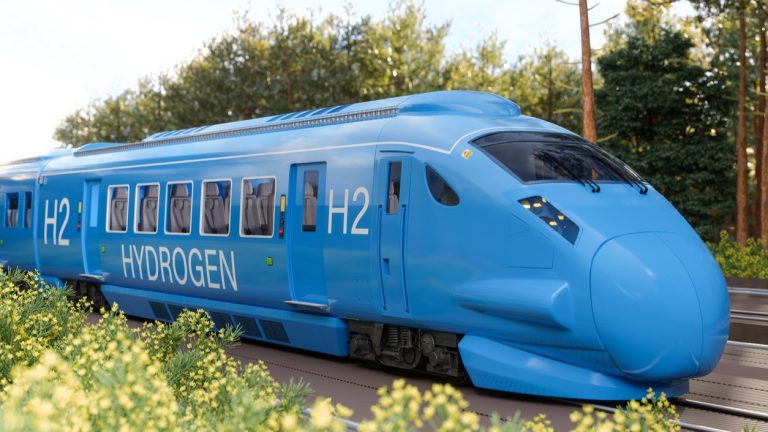
India is set to take a significant step towards sustainable transportation with the launch of its first indigenously developed hydrogen-powered passenger train. Prime Minister Narendra Modi is expected to flag off the train from Jind railway station in Haryana on July 17, marking a major milestone in Indian Railways’ green energy mission.
First Route
The hydrogen-powered train will operate on the Jind–Sonipat section under Northern Railway. This corridor has been selected as the country’s first route for hydrogen-powered passenger rail services.
How the Train Works
Unlike conventional diesel trains, the new train uses hydrogen fuel-cell technology to generate electricity. The fuel cells combine hydrogen and oxygen to produce electrical energy, with water and heat being the primary by-products, making it an environmentally friendly alternative that significantly reduces carbon emissions.
Powerful Indigenous Technology
The train is equipped with a 1,200 kW hydrogen fuel-cell propulsion system, making it one of the most powerful hydrogen-powered passenger trains developed to date. The project showcases India’s growing capabilities in developing advanced clean-energy railway technology.
Capacity and Speed
The train consists of 10 passenger coaches designed to offer comfortable travel while demonstrating the country’s progress in sustainable mobility. It has a maximum operating speed of 75 kmph and has successfully undergone multiple safety and performance trials ahead of its commercial launch.
A Step Towards Green Railways
With this launch, India joins countries such as Germany, Japan, China and the United States, which have already introduced hydrogen-powered rail technology as part of their efforts to reduce emissions and promote cleaner transportation.
The hydrogen train forms part of Indian Railways’ long-term strategy to reduce its carbon footprint and expand the use of clean energy across the rail network. If the pilot project proves successful, similar hydrogen-powered trains could be introduced on additional non-electrified routes across the country in the coming years.
The initiative represents another major step in India’s transition towards greener, more sustainable public transport while strengthening indigenous technological innovation.