


The Comptroller and Auditor General (CAG) has uncovered major irregularities in Maharashtra’s student welfare system, revealing that six “ghost hostels” received Rs 1.62 crore in government funding between 2020 and 2024 despite having no students.
The findings, published in the Compliance Audit Report 2024 and tabled in the Maharashtra Assembly during the ongoing monsoon session, expose significant shortcomings in the implementation and monitoring of hostel schemes meant for students from socially and economically disadvantaged communities.
Beyond the financial irregularities, the audit paints a troubling picture of poor infrastructure, inadequate staffing, weak oversight and delays in expanding hostel facilities across the state.
Rs 1.62 Crore Paid to Vacant Hostels
According to the CAG, the Department of Social Justice and Special Assistance continued releasing funds to six hostels that were no longer functional and had no occupants.
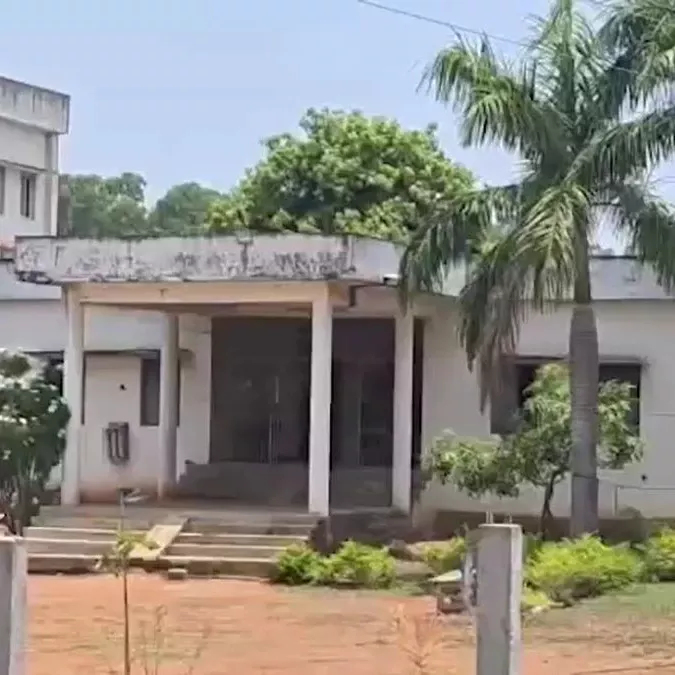
One of the most glaring examples is the Modikhan Hostel in Jalna, where auditors found a locked, dilapidated building with no signs of student occupancy. However, official records claimed 38 students were enrolled and a hostel superintendent was posted there.
Despite the hostel being non-functional, the government continued releasing nearly Rs 18 lakh in honorarium payments over four years.
Another hostel in Jafrabad, also in Jalna district, built to accommodate 24 students, was found deserted during the inspection. Auditors reported dust-covered beds and empty rooms, indicating that no students had been staying there.
The remaining ghost hostels were located at four sites in Jalna district and one each in Buldhana and Latur.
The audit concluded that Rs 1.62 crore was disbursed to non-functional institutions due to serious failures in verification and monitoring mechanisms.
Poor Infrastructure Across Maharashtra Hostels
As of March 2024, Maharashtra operated:
- 443 government-run hostels
- 2,388 government-aided hostels
- Accommodation capacity for 1,21,971 boys and 40,543 girls
The state spent approximately Rs 2,321 crore on hostel operations during the audit period.
The CAG inspected 18 government-run and 21 government-aided hostels and found widespread deficiencies in basic infrastructure.
Several hostels lacked essential facilities, including:
- Dining halls
- Libraries
- Computer laboratories
- CCTV surveillance systems
- Daily newspapers
- Television facilities
- Power backup
In many hostels, students were forced to sit on the floor during meals because tables and chairs were unavailable.
The audit also highlighted irregular medical check-ups, poor sanitation, inadequate lighting, unsafe drinking water and substandard food quality at multiple facilities.
Accessibility and Safety Norms Ignored
The report pointed to serious violations of accessibility guidelines.
In hostels located in Ahilyanagar, Dharashiv, Jalna and Nagpur, differently-abled students were allotted rooms on upper floors despite government rules requiring accessible accommodation on the ground floor.
Technology-based monitoring also proved ineffective.
Out of 280 government hostels equipped with biometric attendance systems, only 46 had functioning devices, severely limiting the department’s ability to accurately monitor occupancy.
Auditors further observed that many hostels failed to maintain the mandatory one-month reserve stock of food grains, raising concerns about food security for resident students.
Crores Left Unspent While Students Waited for Accommodation
The CAG criticised the state’s financial management after finding that Rs 56.65 crore out of the Rs 487 crore allocated for government hostels during 2023-24 remained unspent.
The underutilisation of funds also delayed the expansion of hostel infrastructure.
According to the report:
- 8,930 students across 117 talukas were deprived of hostel facilities because the government’s plan to establish at least one government hostel in every taluka remained incomplete.
- 49 government hostels were functioning without appointed superintendents.
- Five girls’ hostels were being managed by male superintendents.
The audit further noted that Maharashtra failed to achieve its target of constructing 500 government hostels by 2020. By March 2024, only 443 hostels had been established despite funds being sanctioned for the project.
CAG Flags Weak Monitoring of Welfare Schemes
The report concludes that the issues extend beyond isolated financial irregularities and point to systemic weaknesses in governance.
According to the audit, poor verification procedures, weak supervision and inadequate implementation allowed government funds to continue flowing to hostels that existed only on paper, even as thousands of eligible students remained without access to accommodation.
The findings are likely to intensify scrutiny of Maharashtra’s welfare administration and raise questions about accountability in the implementation of student support schemes.