
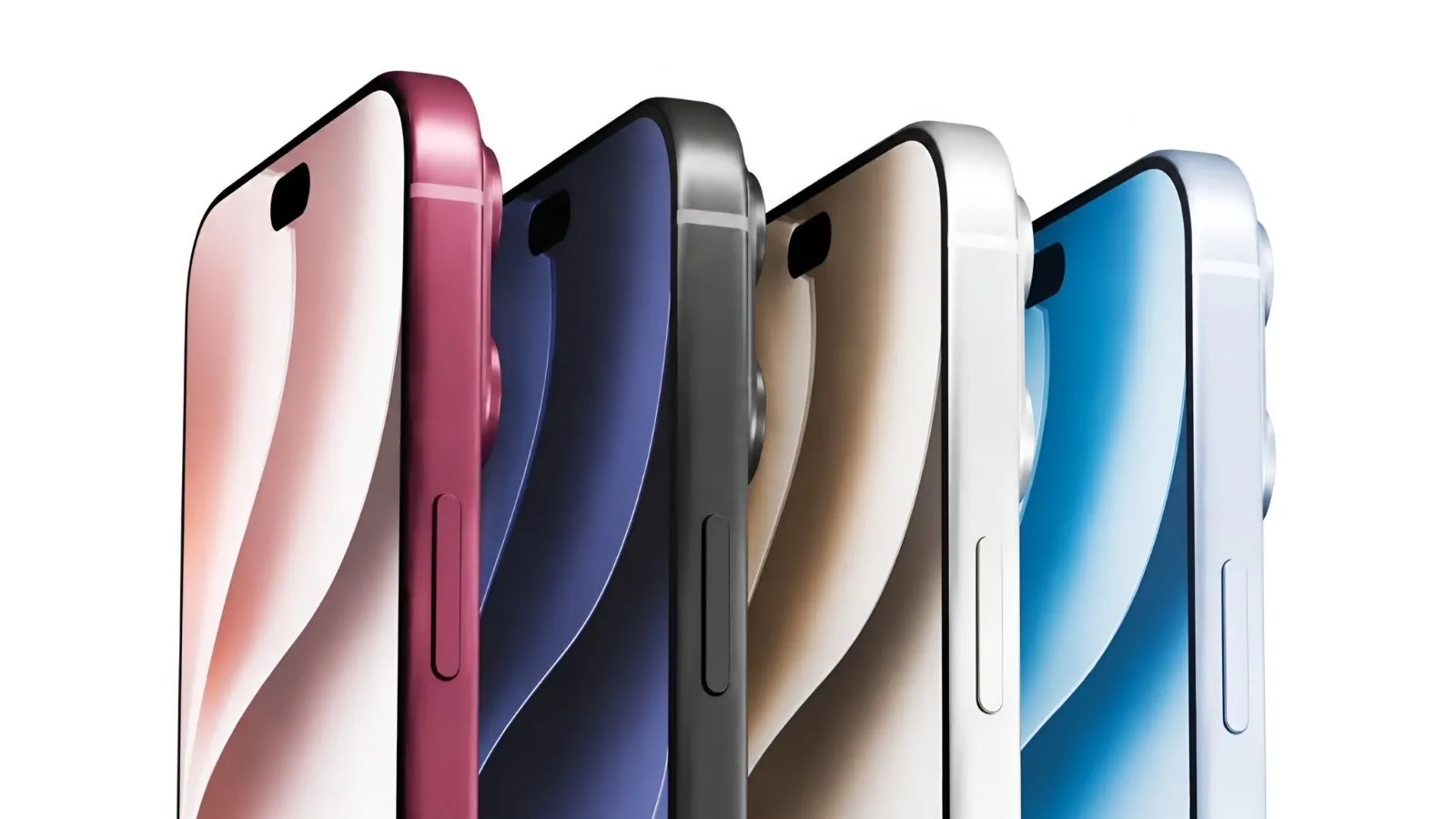


As Apple marches toward its highly anticipated autumn hardware showcase, the global tech landscape is bracing for a paradigm shift that will test consumer wallets like never before. The upcoming launch is poised to debut two premium flagship trajectories simultaneously: the next-generation iPhone 18 Pro series and Apple’s long-rumored, highly experimental entry into the foldable market, tentatively dubbed the iPhone Ultra or iPhone Fold.
However, this historic hardware leap arrives alongside a stern financial warning. With tech layoffs persisting and macroeconomic uncertainty looming large, Apple is preparing to navigate a global memory shortage by shifting premium component costs directly to the consumer.
The headliner of the upcoming fall showcase is undoubtedly the book-style foldable iPhone. While arch-rivals Samsung and Huawei have actively iterated on folding form factors since 2019, Apple’s late entry is strategically designed to bypass early-generation hardware flaws.
Industry speculation suggests Apple’s device will adopt a squatter, more pocketable aesthetic reminiscent of the original Google Pixel Fold or the Huawei Pura X. To resolve legacy folding pain points, Apple has reportedly mastered a near-creaseless inner display panel with enhanced structural durability. Yet, innovation demands a steep entry fee; analysts project the folding iPhone will easily crack the $2,000 threshold, potentially topping out near $2,500.
“The era of the thousand-dollar flagship is evolving into the era of the two-thousand-dollar luxury device. Apple is betting that its high-income demographic will absorb these price hikes without batting an eye.” — Global Tech Supply Chain Analysis
The 2026 Premium Apple Lineup Comparison
| Feature Matrix | The iPhone Fold / Ultra Blueprint | The iPhone 18 Pro / Pro Max Blueprint |
| Estimated Base Price | $2,000 to $2,500 (Apple’s most expensive phone ever) | $1,099 to $1,299 (Reflecting an anticipated $100 hike) |
| Form Factor Design | Book-style squat profile; 9mm folded / 4.5mm unfolded | Conventional single-screen with a shrunk Dynamic Island |
| Display Architecture | 5.5-inch outer panel; 7.8-inch creaseless inner display | Advanced LTPO+ technology for extreme battery efficiency |
| Biometric Security | Side-mounted Touch ID button due to space limits | Integrated Under-Display Face ID architecture |
| Camera Engineering | Dual rear array with matching internal/external selfie lenses | First-ever Variable Aperture Lens for physical light control |
| Silicon Processor | Next-gen high-RAM A-series performance chip | Apple A20 Bionic built on a refined node process |
Software Hints and the Reality of Price Hikes
While Apple maintains its characteristic silence regarding unannounced hardware, its recent developer ecosystem updates speak volumes. Observers at WWDC 2026 noted that Apple’s newly introduced “Device Hub” architecture which allows developers to dynamically resize app windows and preview complex, fluid layouts feels explicitly tailored for an expandable dual-screen ecosystem. Furthermore, the ability of standard iOS 27 widgets to expand into comprehensive full-page interfaces hints at a software environment designed to maximize the sprawling 7.8-inch internal canvas predicted by supply chain experts like Ming-Chi Kuo.
Compounding the premium nature of the folding hardware is a systemic price hike affecting the traditional flagship lineup. Speaking to the Wall Street Journal, Apple CEO Tim Cook confirmed that an enduring global semiconductor and memory crisis will force retail price corrections across premium tiers. Because high-end consumers are statistically less sensitive to marginal price fluctuations, the standard iPhone 18 Pro and Pro Max models are expected to absorb a baseline $100 price increase. Wrapped in a frosted Ceramic Shield back panel and arriving in new colorways like dark cherry and light blue, the iPhone 18 Pro will lean heavily on premium features like its physical variable aperture camera to justify the sting of inflation.