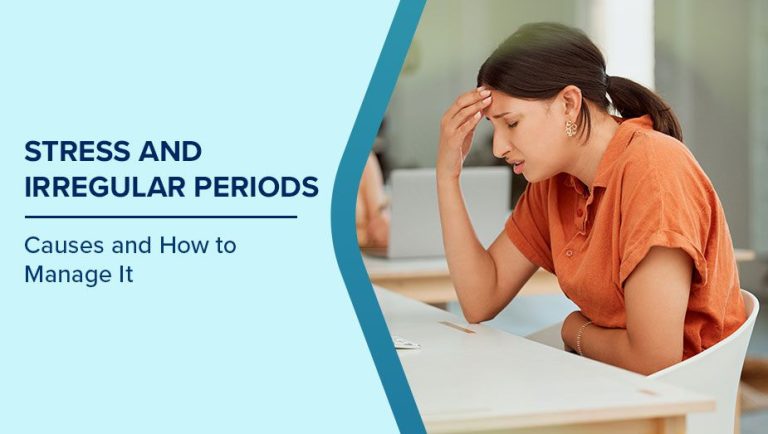
Chronic stress can significantly influence a woman’s menstrual cycle by disrupting the body’s hormonal balance, according to experts. While occasional stress may have little impact, prolonged emotional or physical stress can delay, alter or even temporarily stop menstrual periods.
The menstrual cycle is controlled by the hypothalamic-pituitary-ovarian (HPO) axis, a complex hormonal network that regulates ovulation and the production of reproductive hormones such as estrogen and progesterone. At the centre of this system is the hypothalamus, a part of the brain responsible for regulating body functions including sleep, emotions, appetite and the body’s response to stress.
When a person experiences chronic emotional or psychological stress, the body releases stress hormones such as cortisol and adrenaline. These hormones can interfere with the normal functioning of the hypothalamus, disrupting the hormonal signals sent to the pituitary gland and ovaries. As a result, ovulation may be delayed or temporarily suppressed, leading to irregular, delayed or missed menstrual periods.
The impact of stress on menstruation depends on the type of stress involved. Chronic emotional stress is more likely to delay periods, while acute physical stress caused by illness, surgery, excessive exercise, sudden weight loss or intense physical exertion may sometimes trigger an earlier-than-expected menstrual cycle.
Stress-related menstrual changes are commonly observed during exam periods, demanding work schedules, relationship issues, grief, frequent travel and other major life events. In most cases, menstrual cycles return to normal once stress levels decrease and hormonal balance is restored.
However, if irregular periods continue for more than two or three consecutive cycles, or are accompanied by heavy bleeding, severe pain or other unusual symptoms, it is important to consult a gynaecologist for a proper evaluation. Persistent menstrual irregularities may indicate an underlying health condition that requires medical attention.