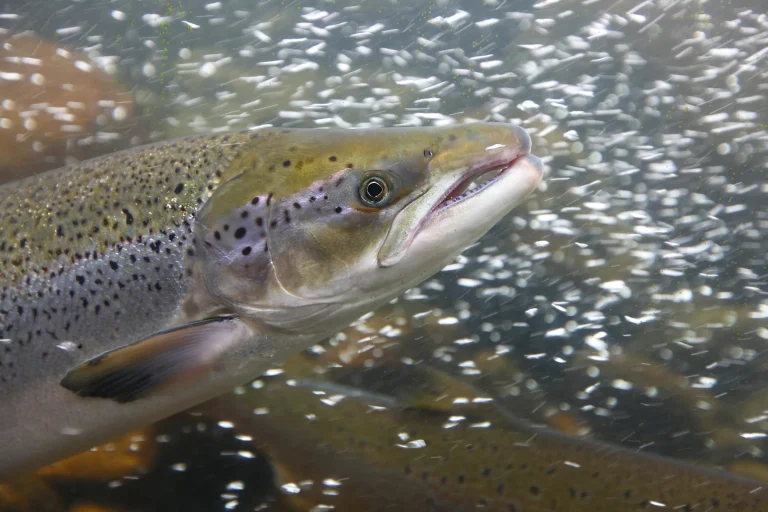
A new study has found that salmon exposed to cocaine and its primary byproduct travel significantly longer distances than those not exposed to the drug, offering the first direct evidence that narcotic pollution can alter the behaviour of marine species.
The research, published in the journal Current Biology, highlights growing concerns among scientists that pollution from commonly used drugs is posing an increasing threat to aquatic ecosystems and biodiversity.
Salmon Travel Nearly Twice as Far After Cocaine Exposure
For the study, researchers implanted small chemical-release devices into two-year-old Atlantic salmon raised in a hatchery. These devices gradually released substances at levels comparable to those found in heavily polluted waters.
The salmon were divided into three groups:
- One group received implants containing cocaine
- A second group received benzoylecgonine, cocaine’s primary byproduct commonly detected in water bodies
- A third group served as a control group with no chemical exposure
The results were striking. Salmon exposed to cocaine travelled 1.9 times farther per week compared to fish that were not exposed to the drug.
By the end of the study:
- The control group settled around 20 kilometres from the release site
- Salmon exposed to benzoylecgonine dispersed approximately 32 kilometres
These findings suggest that drug pollution could interfere with natural migration patterns, potentially affecting survival and reproduction.
Drug Pollution Emerging as Major Threat to Marine Life
Scientists have long warned that pharmaceutical and narcotic contamination in water bodies is an escalating environmental risk. However, this study is the first to directly demonstrate behavioural disruption in fish caused by cocaine residues.
According to researchers, wastewater and sewage systems are major sources of such contamination. Drug residues enter rivers and oceans through untreated or partially treated waste, exposing aquatic species to harmful chemicals.
Not Just Salmon: Sharks Also Found With Drug Traces
Salmon are not the only marine creatures affected by drug pollution.
A separate study published in the journal Environmental Pollution recently detected cocaine, caffeine, and painkillers in the blood of sharks living near the coast of the Bahamas.
Biologist Natascha Wosnick, from the Federal University of Paraná, explained that ocean currents likely carry drug residues from sewage into marine habitats.
She noted that human activity, including wastewater discharge and diving operations, could also contribute to sharks ingesting contaminated water.
While researchers observed noticeable changes in metabolic markers in sharks, they said it remains unclear whether these changes are harmful in the long term. However, scientists believe such exposure could alter behaviour patterns and disrupt marine ecosystems.
Why These Findings Matter for Biodiversity
Experts warn that behavioural changes in marine species can have cascading effects across ecosystems.
Altered migration patterns, increased energy expenditure, and changes in feeding behaviour could impact survival rates, reproduction cycles, and predator-prey relationships.
Researchers stress that tackling drug pollution requires stronger wastewater treatment systems, stricter monitoring, and greater public awareness about the environmental consequences of pharmaceutical waste.
As drug contamination in water bodies continues to rise globally, scientists caution that the long-term ecological consequences may be far-reaching and difficult to reverse.