New Delhi:
India on Wednesday firmly denied reports suggesting that it paid Iran—either in cash or cryptocurrency—to secure safe passage for its vessels through the strategically vital Strait of Hormuz amid rising tensions in the region.
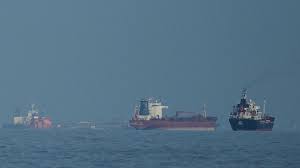
The clarification came after two Indian vessels were forced to turn back from the waterway on April 18 when Iranian forces opened fire as the ships attempted to cross the narrow maritime corridor.
Indian Tanker Captain’s Distress Call Surfaces
Before retreating, the captain of the Indian tanker Sanmar Herald was heard pleading with Iranian forces in an audio recording that has since surfaced.
In the recording, the captain reportedly said:
“This is motor vessel, Sanmar Herald. You gave me clearance to go, my name is second on your list… You are firing now. Let me turn back.”
The incident raised concerns about the safety of commercial shipping routes and triggered speculation that payments may have been made to secure passage through the waterway.
However, Indian authorities have rejected these claims outright.
Government Rejects Crypto Payment Allegations
At a press briefing, Mukesh Mangal, Additional Secretary in the Ministry of Ports, Shipping and Waterways, dismissed reports that any payment was made to secure passage for the vessel.
He termed the claims “fake news”, stating that authorities had verified the matter directly with the ship’s owner.
“News is spreading about a reported payment by the captain of the vessel Sanmar Herald in US dollars to persons claiming to represent the Islamic Revolutionary Guard Corps Navy to grant passage. We spoke with the owner of the vessel, and he confirmed that it is fake news and no such incident had happened,” he said.
Mangal further clarified that government agencies continue to closely monitor the situation before allowing vessels stranded in the region to attempt crossing.
Scam Reports Add to Confusion
Some reports linked the April 18 incident to a possible cryptocurrency scam targeting shipowners. According to maritime risk firm Marisk, scammers have allegedly been offering fake safe passage through the Strait of Hormuz in exchange for crypto payments.
At least one ship is believed to have fallen victim to such a scam, resulting in it being fired upon while attempting to cross the waterway.
However, Indian officials stressed that no such payment was made by Indian vessels, and there is no connection between the firing incident and the alleged scam.
Shipping Company Also Denies Payment Claims
The Chennai-based shipping company Sanmar Shipping, which operates the tanker Sanmar Herald, also issued a statement denying the allegations.
“It has come to our attention that there have been reports on social media about Sanmar Shipping’s very large crude carrier, Sanmar Herald, falling prey to a cryptocurrency scam. We would like to clarify that these reports are completely false,” the company said.
Sanmar Shipping added that it is working closely with Indian government agencies to ensure the safe movement of its vessel through the conflict-affected region.
Two Indian Ships Forced to Retreat
According to maritime tracking platform TankerTrackers.com, two India-flagged ships—including a supertanker carrying Iraqi crude—were forced to turn back after coming under fire on April 18.
Officials confirmed that the firing incident forced both vessels to reverse course for safety.
“This unfortunate incident happened on April 18. There was firing on two of our vessels, that’s why they had to go back,” Mangal said.
He reiterated that authorities have found no evidence of any payments made to secure passage through the strait.
Strait of Hormuz Remains a Global Energy Lifeline
The Strait of Hormuz is one of the most strategically important maritime routes in the world, handling roughly one-fifth of global oil and liquefied natural gas shipments.
Since the outbreak of the West Asia War February 2026, thousands of seafarers and numerous commercial vessels have remained stranded in the Persian Gulf due to security concerns and restricted movement.
Iran’s ability to disrupt traffic through the narrow waterway has emerged as a major factor influencing global energy markets.
Global Impact of Shipping Disruptions
The halt in vessel transit through the Strait of Hormuz has already led to:
- Rising global energy prices
- Supply shortages in several regions
- Fuel rationing in some countries
- Increased shipping insurance and freight costs
These disruptions highlight how geopolitical tensions in the region can quickly impact economies worldwide.