The fragile ceasefire between the United States and Iran has come under renewed pressure after a series of incidents in the Strait of Hormuz triggered fresh military exchanges and raised fears of a wider regional conflict.
The latest escalation began after the US accused Iran of targeting commercial vessels passing through the strategic waterway. Washington described the alleged attacks as a threat to international freedom of navigation and responded with major military strikes against Iranian targets.
According to the US Central Command (CENTCOM), American forces carried out strikes on nearly 90 Iranian military sites, including missile facilities, drone infrastructure, air-defence systems, coastal radar stations, naval assets and command centres. The US said the operation was aimed at reducing Iran’s ability to threaten shipping activity in the Strait of Hormuz.
How the Crisis Escalated
Tensions had been rising despite ongoing diplomatic contacts between Washington and Tehran. US officials alleged that Iran was rebuilding military capabilities in the region while ceasefire discussions were still underway.
The immediate trigger came when the US accused Iran of attacking commercial vessels travelling through the Strait of Hormuz. American officials claimed missiles and drones were used in the attacks, damaging multiple ships. Iran has denied responsibility and rejected the US allegations.
Among the vessels reportedly affected was a Qatari LNG tanker, which suffered damage after a projectile strike caused a fire in its engine room near Oman. The crew was safely evacuated and the cargo remained secure. A Saudi-linked tanker and a Liberia-flagged supertanker were also reportedly damaged.
Following the incidents, security warnings around the Strait increased, with shipping activity declining sharply due to concerns over further attacks. The International Maritime Organization advised commercial vessels to avoid the region where possible.
Trump Warns Iran After Strikes
US President Donald Trump described the alleged attacks as unacceptable and said the ceasefire had effectively collapsed. He warned that further Iranian actions would lead to stronger military responses.
After the US strikes, Trump said Iran had reached out to Washington and expressed interest in negotiations, though Iranian officials have not publicly confirmed any such communication.
Iran Rejects US Allegations
Iran has denied responsibility for the shipping attacks and accused the United States of violating the ceasefire through military action. Iranian officials said Tehran would continue defending its interests in the Strait of Hormuz and criticised Washington’s reliance on military pressure instead of diplomacy.
Why Strait of Hormuz Matters
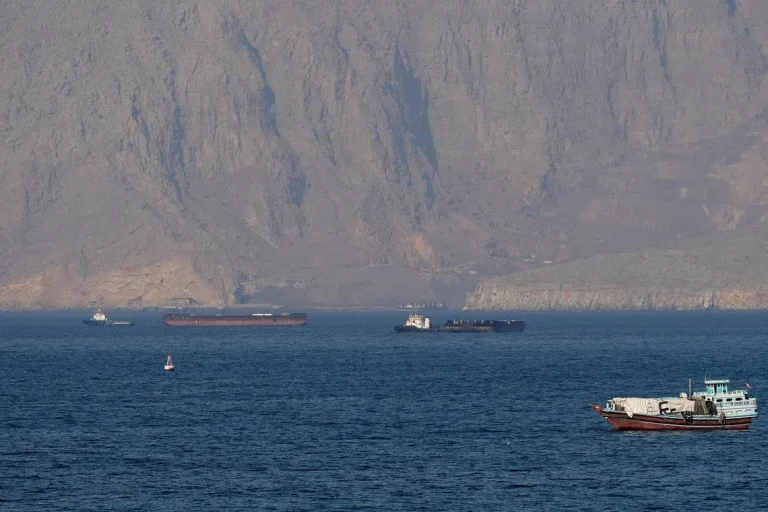
The Strait of Hormuz is one of the world’s most important maritime chokepoints, connecting the Persian Gulf with the Gulf of Oman and the Arabian Sea. A significant share of global oil and liquefied natural gas shipments passes through the narrow waterway.
Any disruption in the region can impact global energy markets by increasing oil prices, insurance costs and shipping expenses. The strategic importance of Hormuz has made it a key flashpoint in tensions between Iran, the US and its allies for decades.
What Happens Next?
Although both sides continue to leave room for diplomacy, the latest developments highlight how fragile the ceasefire remains. Attacks on commercial shipping, retaliatory strikes and rising military rhetoric have pushed the region closer to another major confrontation.
The next moves by Washington and Tehran, especially around the Strait of Hormuz, will determine whether the crisis remains contained or develops into a broader conflict with global consequences.