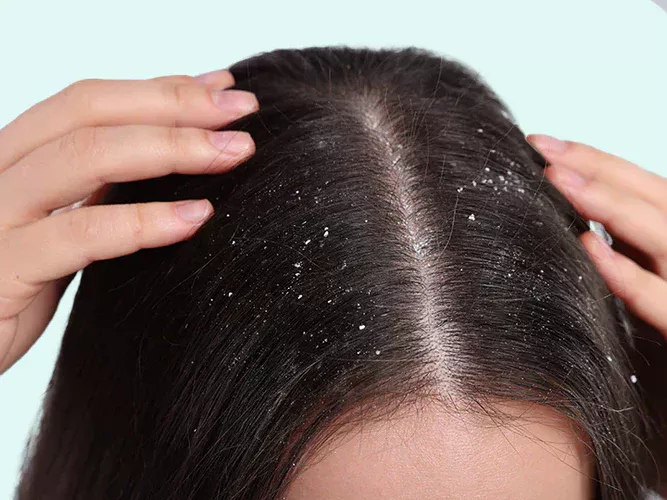
Dandruff is one of the most common scalp concerns, especially during hot and humid weather. But not all dandruff is the same. According to dermatologists, there are two distinct types—oily dandruff and dry dandruff—and both require different care approaches.
Dandruff is linked to an imbalance involving a naturally occurring yeast called Malassezia, which feeds on scalp oil and can trigger irritation, inflammation, and increased skin cell shedding.
What Causes Dandruff?
Experts explain that dandruff develops when the scalp’s natural oil production (sebum) interacts with Malassezia yeast. This leads to irritation and faster skin turnover, causing visible flakes. Stress, genetics, humidity, and hair products can further worsen the condition.
Oily Dandruff: Sticky And Greasy Flakes
Oily dandruff occurs when excess sebum creates a moist environment on the scalp. This allows yeast to grow more actively, leading to yellowish or sticky flakes that often cling to the scalp.
People with oily dandruff may notice their scalp becoming greasy within a day or two after washing. Itching is usually persistent, and mild redness can also appear. Factors like humid weather, sweating, helmet use, and heavy styling products can aggravate the condition.
Dry Dandruff: Fine And Powdery Flakes
Dry dandruff, on the other hand, appears as small, white, powder-like flakes that fall easily onto clothes. The scalp may feel tight or dry, and itching is generally milder compared to oily dandruff.
Unlike oily dandruff, this type is not linked to excess oil buildup but often results from dryness, environmental changes, or sensitivity of the scalp.
Why Treatment Should Differ
Dermatologists stress that using random shampoos without understanding the type of dandruff may offer only temporary relief. Oily dandruff often requires products that help control yeast activity and excess oil, while dry dandruff benefits more from gentle cleansing and scalp hydration.
Proper identification of the type of dandruff is essential for effective long-term management, especially during seasonal changes when scalp issues tend to worsen.