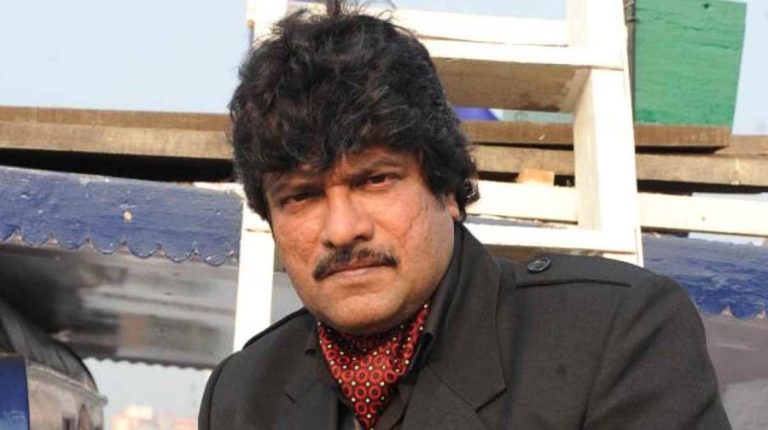
Actor Rajesh Sharma is recovering after being hospitalised following a suspected poisonous insect bite while shooting for the film Fauji at Ramoji Film City. According to reports, the actor initially considered the bite to be minor but later developed severe pain in his right leg and a high fever, requiring hospital treatment. He is currently under medical observation and his condition is reported to be improving.
The incident serves as an important reminder that while most insect bites are harmless, some can lead to severe allergic reactions, infections or other medical complications if left untreated.

Why Insect Bites Increase During Monsoon
The rainy season creates ideal breeding conditions for insects due to increased humidity, stagnant water and dense vegetation. Mosquitoes, ants, spiders, bees, wasps and other insects become more active during this period, increasing the likelihood of bites and stings, especially for people spending time outdoors.
Warning Signs That Require Immediate Medical Attention
Seek urgent medical care if any of the following symptoms develop after an insect bite or sting:
- Difficulty breathing or wheezing
- Swelling of the face, lips, tongue or throat
- Severe or rapidly increasing pain
- High fever or chills
- Dizziness, fainting or confusion
- Rapidly spreading redness or swelling
- Persistent nausea or vomiting
- Pus or foul-smelling discharge from the bite
- Red streaks extending from the affected area
- Symptoms that continue to worsen instead of improving
These signs may indicate a severe allergic reaction, venom-related complications or a serious infection requiring prompt treatment.
First Aid Tips for Insect Bites
If you are bitten or stung, follow these basic first-aid measures:
- Wash the affected area with soap and clean water.
- Apply a cold compress or ice pack wrapped in a cloth for 10–15 minutes to reduce pain and swelling.
- Avoid scratching the bite to reduce the risk of infection.
- If a bee stinger is visible, gently scrape it away using a fingernail or the edge of a card instead of squeezing it.
- Monitor the bite for increasing redness, swelling or worsening symptoms.
- Stay hydrated and get adequate rest if you feel unwell.
What to Avoid
Health experts advise against using unproven home remedies such as:
- Cutting or sucking the bite wound
- Applying mud, toothpaste or other non-medical substances
- Ignoring persistent pain, swelling or fever
- Delaying medical attention if symptoms worsen
How to Prevent Insect Bites During Monsoon
Simple precautions can significantly reduce the risk of insect bites:
- Wear full-sleeved clothing and full-length trousers outdoors.
- Use insect repellents as recommended.
- Avoid walking barefoot in grassy or heavily vegetated areas.
- Check shoes, clothes and bedding before use if left undisturbed.
- Remove stagnant water around your home to prevent mosquito breeding.
- Install window and door screens where possible.
- Exercise caution while gardening, trekking or working in areas with dense vegetation.
Rajesh Sharma’s experience highlights that even a seemingly minor insect bite should not be ignored. Prompt first aid, careful monitoring and timely medical attention can help prevent serious complications.