
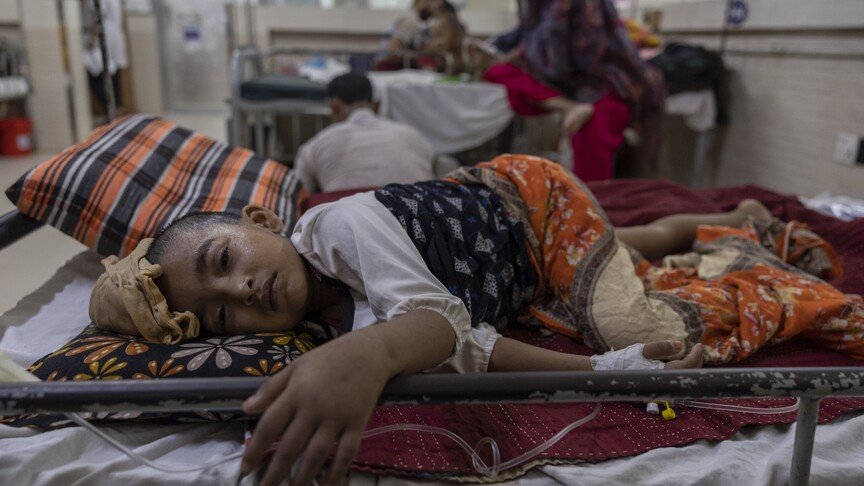


Bangladesh is facing a severe measles outbreak that has claimed hundreds of lives and infected thousands of children in recent months. Health authorities have reported seven additional child deaths within a 24-hour period, pushing the total death toll to 601, including both confirmed and suspected fatalities. The crisis has become one of the country’s most serious public health challenges, highlighting concerns over vaccination gaps, healthcare access, and the rapid spread of highly contagious diseases.
Outbreak Numbers Continue to Rise
According to health officials, more than 74,000 suspected measles cases have been recorded since the outbreak intensified in March 2026. Over 9,000 cases have been laboratory-confirmed, while tens of thousands of children have required hospital treatment.
Although many patients have recovered, the continued rise in infections and deaths has placed significant pressure on healthcare facilities across the country.
Vaccination Gaps Fueling the Crisis
Experts say one of the main reasons behind the outbreak is incomplete vaccination coverage. While Bangladesh has conducted immunisation campaigns, many children have missed one or both doses of the measles vaccine, leaving communities vulnerable to infection.
For measles to remain under control, vaccination coverage needs to exceed 95 percent. Even small gaps can allow the virus to spread rapidly through unprotected populations.
Eid Travel Accelerated Transmission
Large-scale travel during Eid celebrations is believed to have played a major role in worsening the outbreak. Millions of people moved between cities and rural regions, unintentionally carrying the virus into areas with lower vaccination rates.
Health experts say this population movement created ideal conditions for measles transmission and helped the virus reach new communities.
Why Measles Spreads So Easily
Measles is considered one of the most contagious diseases in the world. An infected person can spread the virus to up to nine out of ten unvaccinated individuals who come into close contact with them.
The virus spreads through airborne droplets released when an infected person coughs, sneezes, or even breathes. It can remain in the air and on surfaces for hours, increasing the risk of infection.
Common Symptoms of Measles
Measles symptoms usually develop gradually and may include:
- High fever
- Persistent cough
- Runny nose
- Red, watery eyes
- White spots inside the mouth (Koplik spots)
- Red rash that begins on the face and spreads across the body
Symptoms typically appear several days after infection, which can make it difficult to identify cases early.
Children Face the Highest Risk
Young children, especially those who are malnourished or have weakened immune systems, face the greatest risk of serious complications.
Measles can lead to severe health problems including pneumonia, dehydration, ear infections, blindness, and inflammation of the brain known as encephalitis. In severe cases, these complications can become life-threatening.
There Is No Specific Cure
Unlike some viral illnesses, measles does not have a dedicated antiviral treatment. Medical care focuses on symptom management and preventing complications.
Treatment generally includes adequate hydration, fever control, nutritional support, and Vitamin A supplementation, which has been shown to reduce disease severity in children.
Vaccination Remains the Best Protection
Health experts continue to stress that vaccination is the most effective defense against measles. Two doses of the MMR (Measles, Mumps, and Rubella) vaccine provide approximately 97 percent protection against infection.
Widespread vaccination not only protects individuals but also creates herd immunity, helping shield those who cannot receive vaccines due to medical reasons.
Why Measles Remains a Global Threat
Despite the availability of an effective vaccine, measles outbreaks continue to occur worldwide due to vaccine hesitancy, misinformation, healthcare access challenges, and declining immunisation rates.
Public health officials warn that unless vaccination coverage improves significantly, outbreaks like the one unfolding in Bangladesh could continue to threaten vulnerable populations, particularly children.