
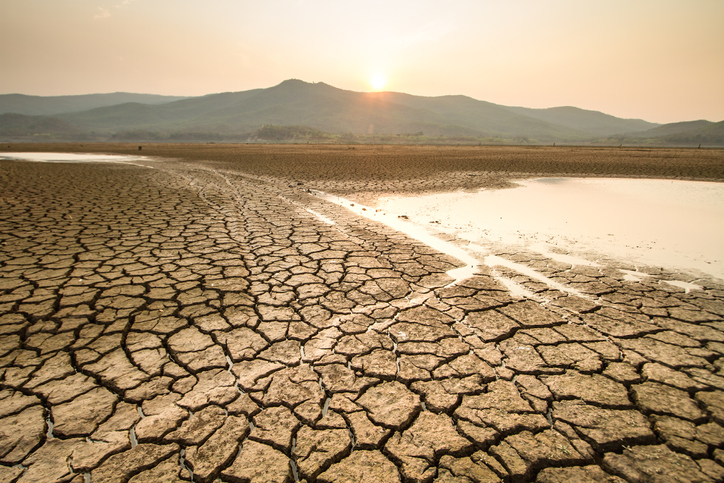


Despite holding more technically recoverable shale gas than the United States, China has struggled to replicate the American shale revolution. While geology and depth play a role, a massive and overlooked hurdle is water scarcity. Hydraulic fracturing (fracking) requires immense volumes of water, yet much of China’s shale reserves are located in arid regions where such resources are simply unavailable. As of 2025, China accounts for only 6% of global gas production, compared to the U.S. share of 25%.
Competing Demands Across Energy Sectors
The strain on water resources is not limited to the oil and gas industry. Several critical sectors are now competing for the same limited supply:

- Thermal Power: Nuclear, coal, and gas plants require vast amounts of water for cooling. Rising river temperatures in Europe have already forced nuclear plants to cut output.
- Hydrogen Production: Producing green hydrogen through electrolysis is water-intensive, requiring roughly nine liters per kilogram produced. Many planned hydrogen hubs sit in sun-drenched but water-poor regions.
- Data Centers: The AI boom has focused heavily on electricity, but large data centers also consume significant water for cooling, often creating tension with local communities.
A New Filter for Investors
For the global investment community, water access is moving from a background concern to a primary risk filter. While commodity prices and government policies remain the main drivers, water availability now directly dictates project economics.
- High-Risk Projects: Developments in water-constrained areas face ballooning costs, extended timelines, and increased regulatory hurdles.
- The Advantage: Companies and regions that prioritize water efficiency, recycling, or non-potable cooling technologies are becoming more attractive to long-term capital.
The Global Reality Check
The experience in China serves as a warning for the rest of the global energy system. In the Permian Basin of the U.S., water disposal costs are rising, while in Argentina and Mexico, logistics remain a major bottleneck.
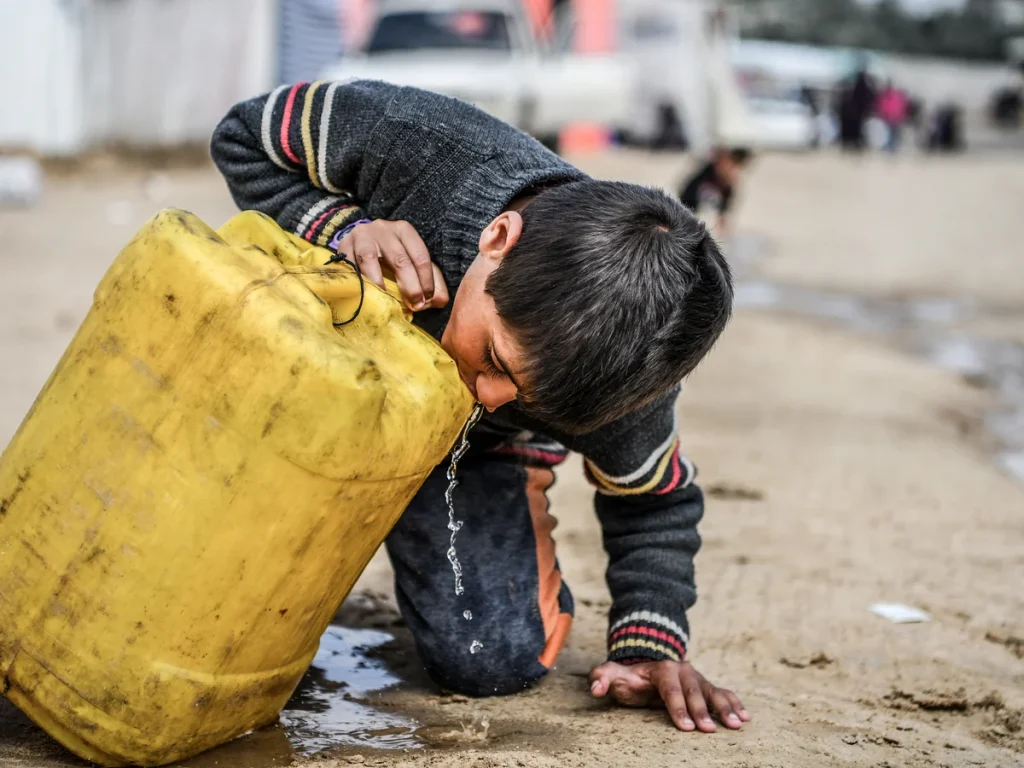
The future of energy development will no longer be defined solely by the volume of resources in the ground but by the practicality of extracting them. Moving forward, the “water footprint” of an energy project will be just as vital as its carbon footprint.