
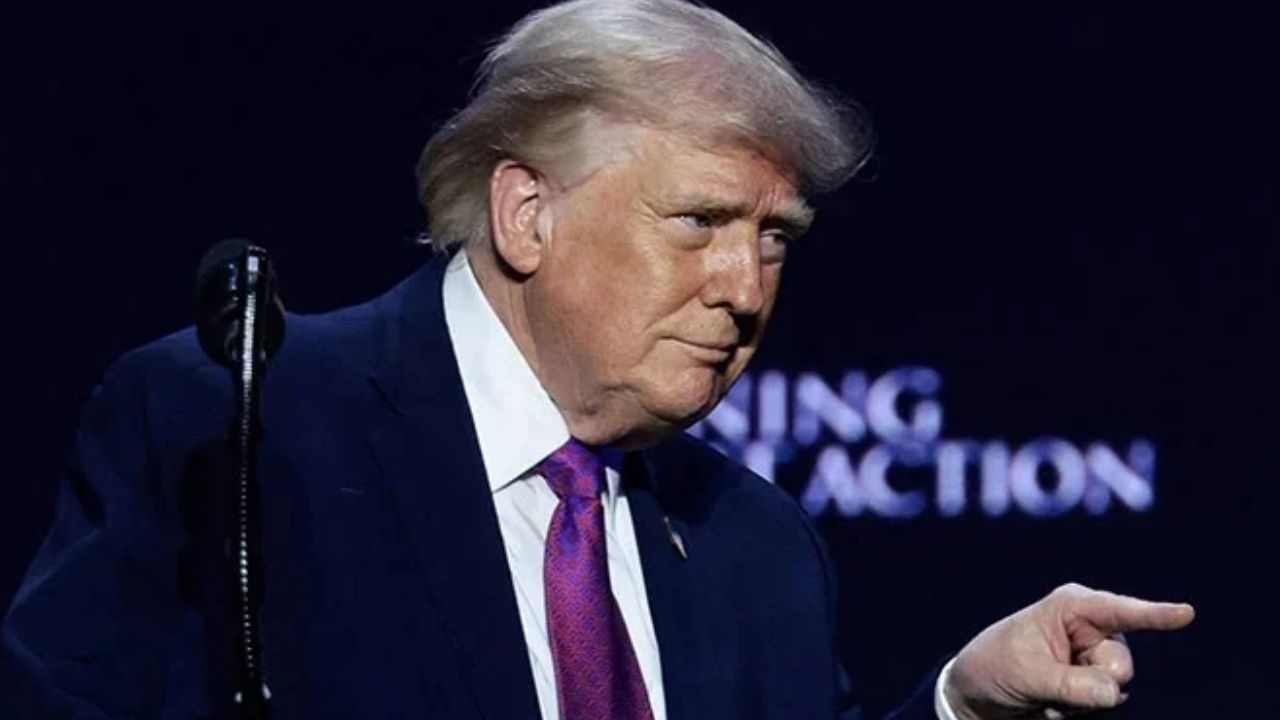


As US-Iran tensions escalate, Donald Trump faces mounting pressure, fears and unpredictable choices
April 20, 2026: Donald Trump had projected himself as a “peace President” during his 2024 campaign, highlighting that he avoided launching new wars during his first term after Jimmy Carter. However, the ongoing conflict with Iran has placed him in a difficult position, marking his second military confrontation in less than a year. While publicly maintaining a tough stance, reports suggest Trump has grown increasingly wary of the human and political costs of prolonged war.
According to reports, Trump’s concerns intensified after a US fighter jet was shot down, leaving two airmen missing. The incident reportedly triggered a furious reaction, as he pushed for immediate rescue operations while grappling with fears of casualties reminiscent of past crises like the Iran Hostage Crisis. Despite eventual success in rescuing the personnel, the episode highlighted both operational challenges and the risks of deeper military engagement in unfamiliar territory.
Even as fears surfaced behind the scenes, Trump continued his aggressive rhetoric, particularly over the strategic Strait of Hormuz. His fluctuating approach—alternating between threats and negotiation signals—reflects an unorthodox strategy aimed at forcing Iran to the table. However, with ceasefire prospects uncertain and tensions persisting, the crisis is testing Trump’s leadership in ways his earlier foreign policy positioning never anticipated.