
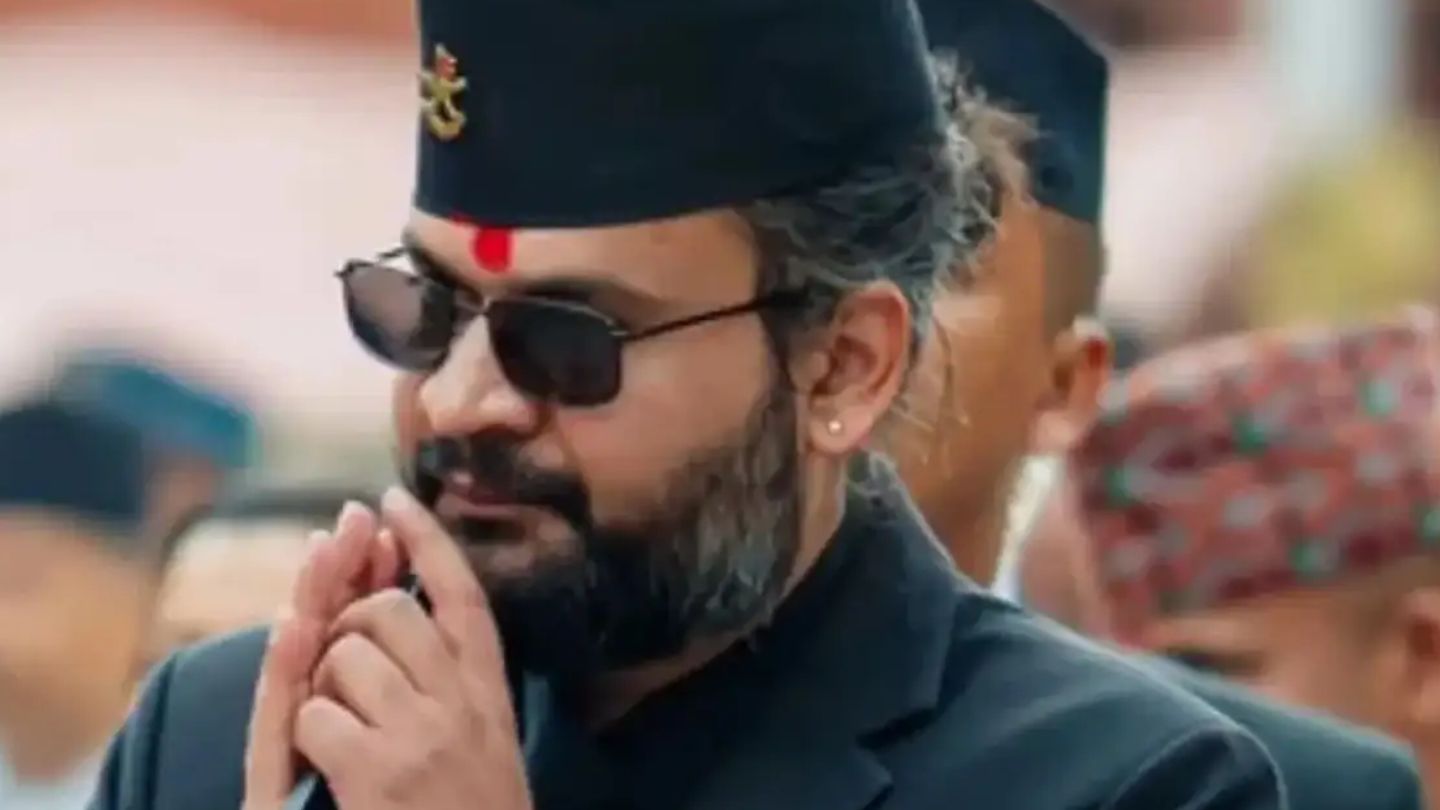


Nepal’s young Prime Minister faces criticism over resignations, silence on key issues, and human rights concerns within weeks of taking office.
April 27, 2026: After a youth-driven political shift ousted the government of K. P. Sharma Oli, Balendra Shah has completed one month in office, marking a turbulent start. The Gen-Z-backed leader, popularly known as “Balen,” came to power with promises of reform and change, but early developments—including the resignation of Labour Minister Deepak Sah and Home Minister Sudan Gurung—have raised concerns about stability within the new administration.
Supporters who initially saw hope in Shah’s leadership are now expressing unease over the government’s performance and lack of transparency. Critics have pointed to Shah’s low public profile, noting that he has yet to address the nation or hold a press conference. Questions have also been raised over his silence regarding allegations linked to Rabi Lamichhane of the Rastriya Swatantra Party, as well as concerns over the implementation of protest-linked reports and recent political arrests.
Further controversy has emerged over the government’s move to demolish riverside settlements in Kathmandu, drawing criticism from human rights groups over inadequate rehabilitation measures. While some back the crackdown on encroachments, others argue the lack of planning could worsen social tensions. Within just a month, Shah’s leadership faces growing scrutiny as expectations collide with political and governance challenges.