
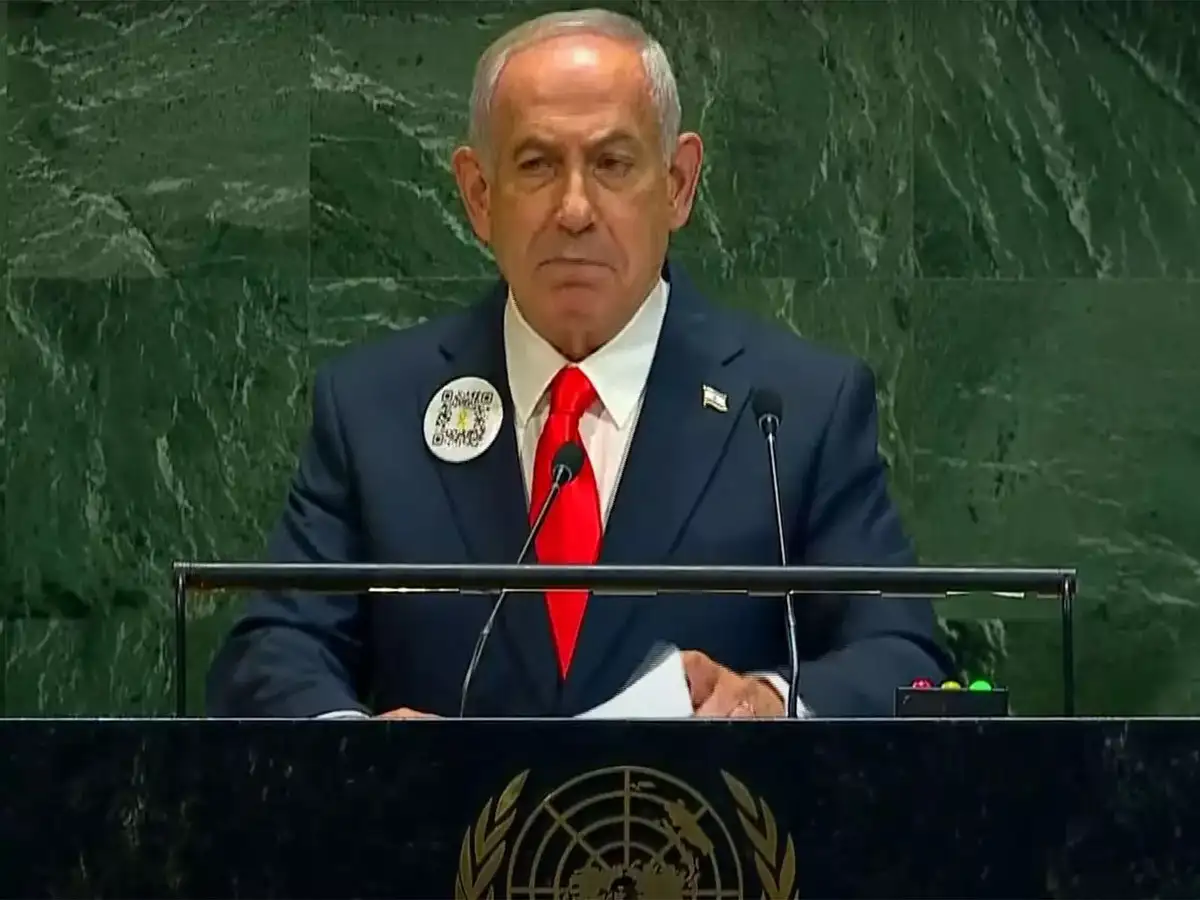


Israeli Prime Minister Benjamin Netanyahu has signalled that Israel remains prepared to resume military action against Iran despite the current ceasefire, warning that Tehran is “playing with fire” and should not underestimate the willingness of both Israel and the United States to act if necessary.
In an interview with CNBC, Netanyahu suggested that the existing ceasefire remains fragile and that Iran’s actions could determine whether hostilities resume.
“I think there’s a tactical game that is being played,” Netanyahu said when asked whether a genuine ceasefire currently exists between Israel and Iran.
He added that Iran is well aware of the position outlined by US President Donald Trump regarding future military action.
“Iran surely knows what he has said, that if necessary, there will be a full-scale return to military action,” Netanyahu said. “It’s a president’s decision; Israel is ready, and the US forces are ready.”
‘Iran Is Playing With Fire’
The Israeli leader warned that Tehran should carefully consider the consequences of any actions that could destabilise the region further.
“I think Iran should take that into account,” Netanyahu said. “I think they are taking into account that they’re playing with fire; that’s clear.”
His remarks come amid continued uncertainty surrounding the future of the ceasefire and ongoing diplomatic efforts aimed at preventing a wider regional conflict.
Netanyahu Dismisses Reports of Rift With Trump
During the interview, Netanyahu also rejected suggestions of any significant disagreement between himself and President Trump.
While declining to reveal details of his private conversations with the US president, Netanyahu said the two leaders remain in regular contact.
According to him, they speak frequently and share common strategic objectives.
“We have common goals. We want to achieve them,” he said.
Netanyahu acknowledged that occasional tactical disagreements arise between allies but insisted that such differences do not affect the broader relationship.
“We occasionally have these tactical disagreements, just like in the best of families,” he remarked.
“As great friends, we always find a way to work them out. We can disagree in the morning and find common ground by the afternoon.”
Future of Ceasefire Remains Uncertain
Despite expressing confidence in the US-Israel partnership, Netanyahu admitted that questions remain about how the conflict with Iran should ultimately conclude.
“It’s an open question on how the war should end,” he said when asked about the prospects for a lasting ceasefire arrangement.
The comments indicate that while diplomatic channels remain active, military options continue to remain on the table for both countries.
Focus Remains on Iran’s Nuclear Programme
Netanyahu reiterated that preventing Iran from acquiring nuclear weapons remains a central objective for both Israel and the United States.
According to him, any future agreement involving Iran’s nuclear programme must be stronger than previous arrangements.
“The new deal will be better than the Iran nuclear deal, not a copy of it,” he claimed.
The Israeli prime minister also asserted that Israeli operations have significantly impacted Iran’s nuclear establishment.
“About 20 Iranian nuclear scientists have been eliminated by us,” Netanyahu said during the interview.
Lebanon and Hezbollah Also Remain Key Concerns
Beyond Iran, Netanyahu highlighted the situation in Lebanon, arguing that long-term regional stability would require the disarmament of Hezbollah.
“We must disarm Hezbollah and demilitarise Lebanon if we want to save Lebanon and achieve Lebanon-Israel peace — and I do want that,” he said.
The remarks underline Israel’s broader security concerns across the region as tensions continue to affect multiple fronts.
Predicts Pressure on Iranian Leadership
Netanyahu also suggested that the Iranian leadership has been significantly weakened and could eventually face internal political upheaval.
However, he acknowledged that predicting the timing of any regime change remains difficult.
“You can’t quite predict when a regime like that goes under,” he said, drawing comparisons with historical events such as the fall of the Berlin Wall and the collapse of communist regimes in Eastern Europe.
“You have huge cracks in Iran right now, and you can’t predict when it’ll happen.”
His comments reflect Israel’s belief that sustained military, economic and political pressure has weakened Tehran’s leadership, although no immediate change appears imminent.
As diplomatic efforts continue and the ceasefire remains under strain, Netanyahu’s remarks underscore the possibility that the confrontation between Israel and Iran could once again escalate if tensions deepen in the coming weeks.