
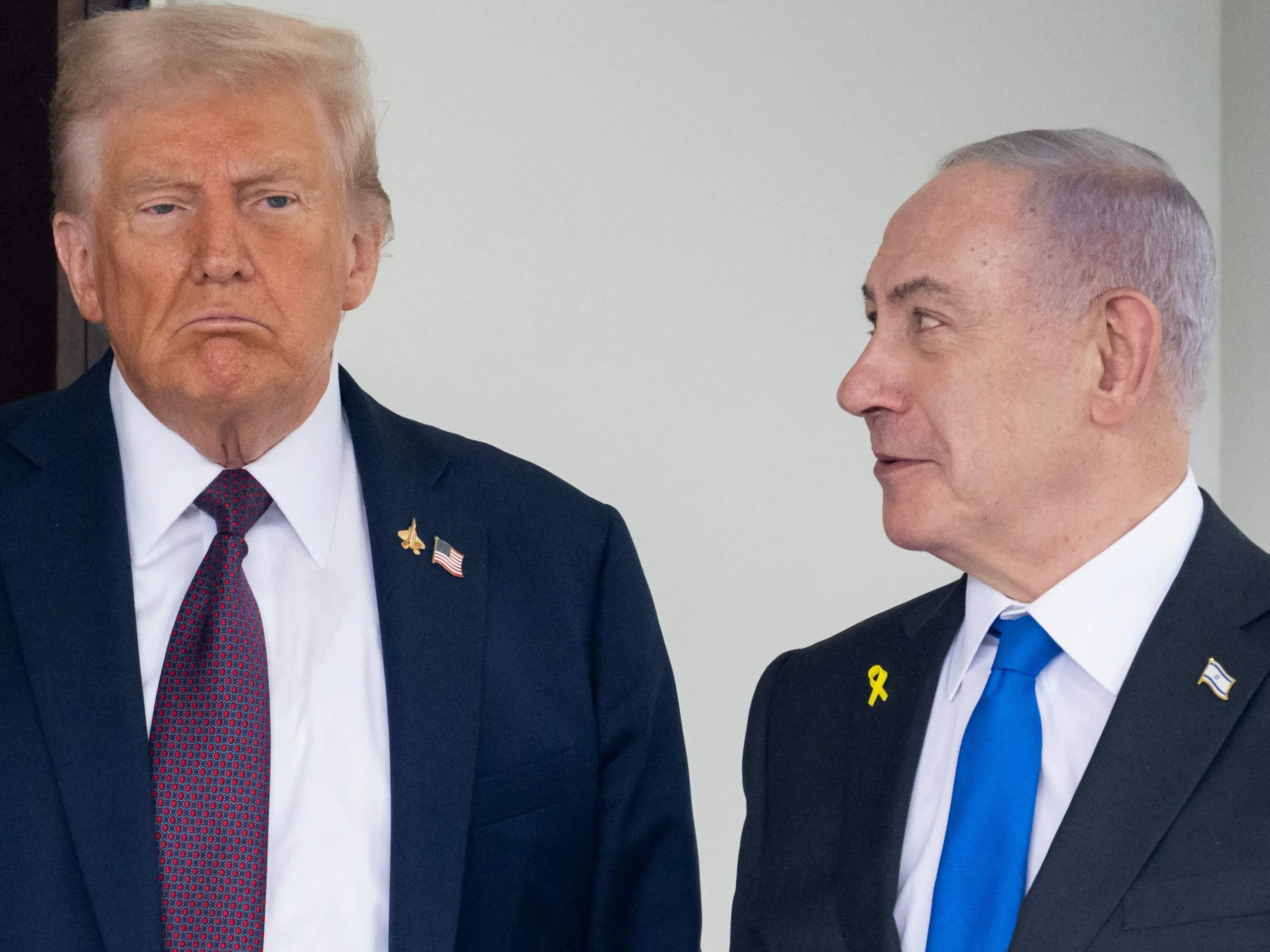


Fresh reports from Washington suggest growing tensions between the United States and Israel, raising questions about whether differences over Iran and Middle East policy are beginning to strain one of the world’s closest strategic partnerships. The latest controversy centres around allegations that US officials are increasingly concerned about Israeli intelligence activities targeting American decision-makers.
Pentagon Raises Counterintelligence Alert
According to reports, the US Defense Intelligence Agency (DIA) has elevated its counterintelligence threat assessment regarding Israel to its highest category, described as “critical.”
The assessment reportedly reflects concerns that Israeli intelligence agencies may be attempting to gather information about internal discussions within the Trump administration, particularly those related to Iran, regional conflicts, and future diplomatic initiatives.
Officials cited concerns about both human intelligence operations and technical surveillance capabilities.
Why Burner Phones Are Being Used
Reports suggest that some US officials travelling to Israel have begun using burner phones and adopting stricter communication protocols.
Such measures are commonly employed when intelligence agencies fear that electronic communications could be monitored or intercepted. The reported precautions highlight the seriousness with which some sections of the US security establishment are viewing the situation.
However, American authorities have not publicly confirmed specific operational measures.
Israel Strongly Rejects The Allegations
Israeli officials have firmly denied claims that they are spying on American government personnel.
A spokesperson for the Israeli Embassy in Washington described the allegations as completely false and reiterated that Israel does not conduct intelligence operations against US government officials.
Israeli authorities have maintained that their intelligence efforts remain focused on regional security threats and hostile actors rather than allied nations.
Differences Over Iran Become More Visible
The reported intelligence concerns come against the backdrop of increasing policy differences between US President Donald Trump and Israeli Prime Minister Benjamin Netanyahu.
Since the ceasefire between Iran, the United States and Israel earlier this year, Washington has been pursuing diplomatic negotiations aimed at securing a long-term agreement with Tehran.
Israel, however, has repeatedly expressed skepticism regarding Iran’s willingness to honour any future agreement and has advocated a tougher security approach.
Reports Of Tense Conversations
Media reports indicate that recent discussions between Trump and Netanyahu have become increasingly strained.
The two leaders are said to have disagreed on several aspects of Middle East strategy, including Iran, Lebanon and broader regional security arrangements. Reports even suggest that a recent phone conversation became unusually tense, reflecting widening differences in priorities.
While neither government has officially characterised the relationship as troubled, the reports have fuelled speculation about emerging policy gaps between Washington and Tel Aviv.
What This Means For The Region
Despite these reports, the United States and Israel remain key strategic allies with deep military, intelligence and diplomatic ties.
However, analysts believe that any sustained disagreement over Iran could influence future security cooperation, regional diplomacy and military planning. The situation is being closely watched by policymakers across the Middle East, where decisions made by Washington and Tel Aviv continue to shape regional dynamics.
For now, both governments publicly insist that their partnership remains strong, even as reports point to growing disagreements behind closed doors.