
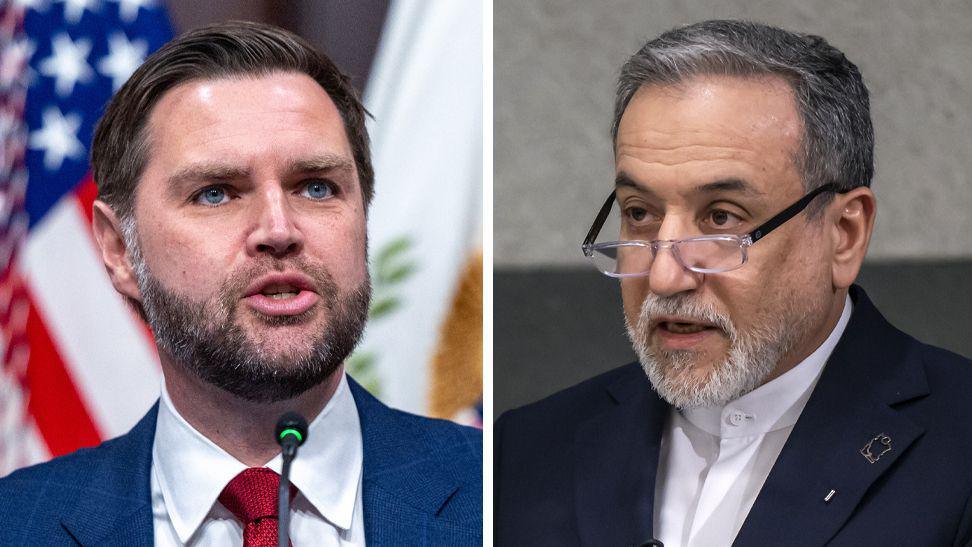


A new report from The New York Times has revealed the specific numbers behind the collapse of the Islamabad peace talks. While both sides have moved toward the concept of a “suspension” rather than a permanent ban, a massive 15-year gap in the proposed timelines remains the primary obstacle to ending the six-week-old US-Iran war.
The US Demand: A 20-Year “Deep Freeze”
In a strategic shift, the Biden-Trump transition team (represented by VP JD Vance) reportedly moved away from demanding a permanent ban on enrichment—a historical “red line” for Tehran.
The Proposal: A 20-year suspension of all nuclear activity.
The Logic: This allows Iran to technically maintain its rights under the Nuclear Nonproliferation Treaty (NPT) in the long term, while ensuring a generation of security for the U.S. and Israel.
The “Material” Condition: The U.S. is also demanding the immediate removal of 970 pounds of near-bomb-grade uranium from Iranian soil to prevent any rapid “breakout” capability.
The Iranian Counter: A 5-Year “Pause”
Tehran’s negotiators, led by Foreign Minister Abbas Araghchi, have offered a significantly shorter window, mirroring a proposal that was rejected just before the war began in late February.
The Proposal: A 5-year suspension of enrichment.
The Precedent: Iran previously offered this in Geneva; its rejection then led directly to President Trump’s decision to launch the February 28 strikes.
The Stumbling Block: Iran remains unwilling to dismantle its atomic infrastructure or ship its current fuel stockpile out of the country, viewing these as essential components of national sovereignty.
The “Islamabad II” Outlook
Despite the current deadlock and the launch of the U.S. Navy blockade at the Strait of Hormuz, there are signs that diplomacy is not entirely dead.
| Issue | U.S. Position | Iranian Position |
| Nuclear Timeline | 20-year suspension | 5-year suspension |
| Fuel Stockpile | Export 970 lbs of uranium | Keep stockpile in-country |
| Strait of Hormuz | Unconditional free passage | Regulated “sovereign” passage |
| Proxy Groups | Total end to Hamas/Hezbollah aid | Linked to broader regional security |
Will talks resume?
Pakistan has officially invited both delegations back to Islamabad for a second round before the current ceasefire expires on April 22. While the White House has not officially confirmed, officials suggest face-to-face discussions are the only way to prevent a return to full-scale kinetic warfare next week.