
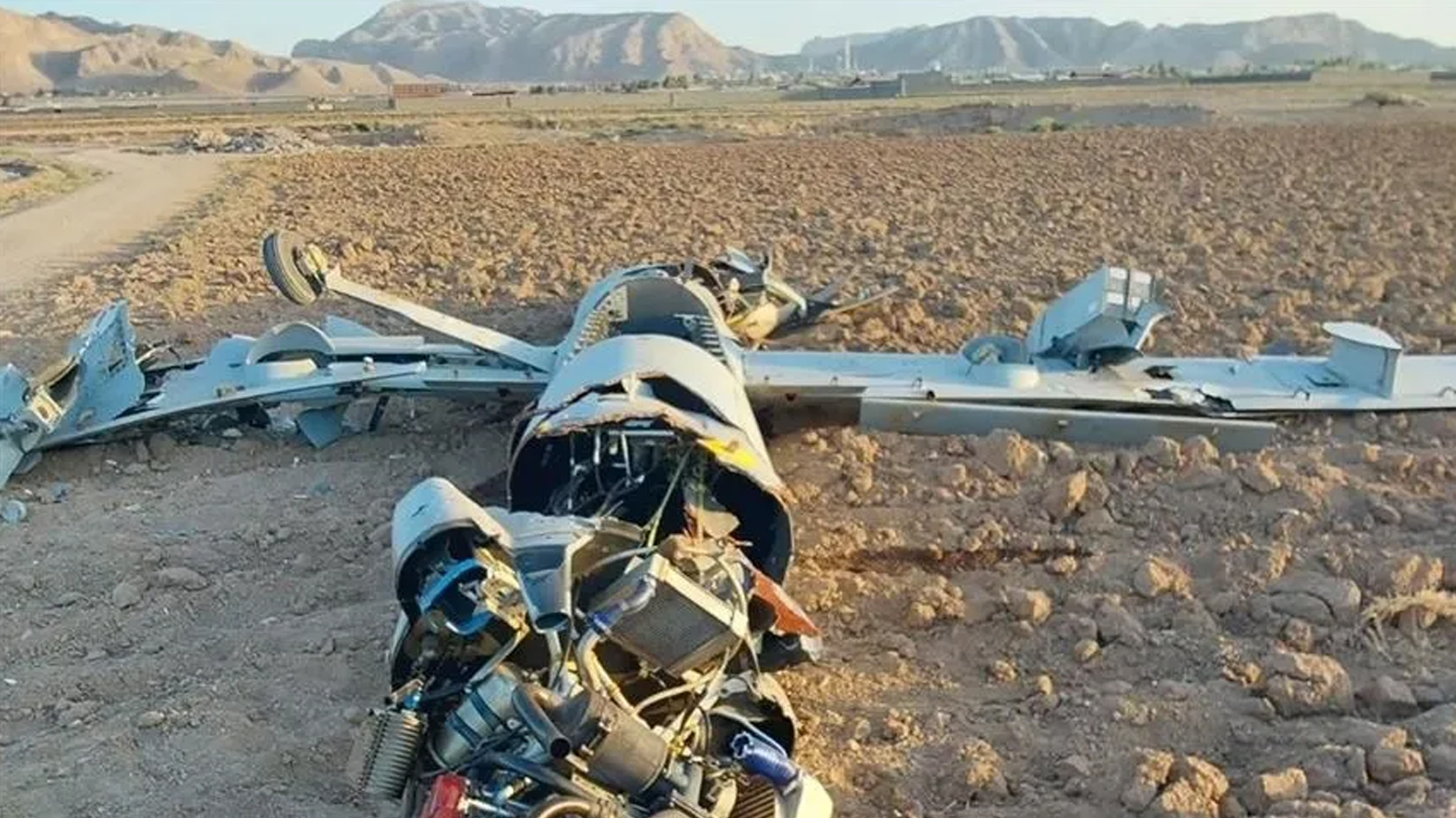


Rising tensions in West Asia took another serious turn after the United States military announced that it had intercepted multiple Iranian drones and missiles allegedly aimed at Gulf nations and strategic maritime routes. The latest developments come despite ongoing diplomatic efforts to preserve a fragile ceasefire between Washington and Tehran, highlighting the volatility of the region.
Drones Targeted Key Shipping Route
According to the US Central Command (CENTCOM), American forces first intercepted four Iranian one-way attack drones that were heading toward the Strait of Hormuz. The narrow waterway is one of the world’s most important energy and shipping corridors, through which a significant portion of global oil trade passes every day.
US officials stated that the drones posed an immediate threat to maritime traffic and regional security.
US Strikes Iranian Radar Installations
Following the drone interceptions, US forces launched retaliatory strikes on Iranian coastal surveillance radar sites located in Goruk and on Qeshm Island.
CENTCOM said the operation was designed to degrade Iran’s ability to monitor and potentially target commercial vessels and military assets operating in the Gulf region.
The strikes mark another escalation in the ongoing standoff between the two countries, which has intensified over recent months.
Ballistic Missiles Launched Towards Gulf States
Hours after the radar strikes, Iran allegedly launched seven ballistic missiles toward Bahrain and Kuwait.
According to CENTCOM’s preliminary assessment, six of the missiles were successfully intercepted before reaching their targets, while the seventh failed during flight and did not strike its intended destination.
The US military confirmed that no American personnel were injured during the incident.
CENTCOM Rejects Iranian Claims
Iranian sources reportedly claimed that attacks had damaged the headquarters of the US Fifth Fleet in Bahrain. However, CENTCOM dismissed those reports, describing them as inaccurate and stating that there was no damage to the naval facility.
The US Fifth Fleet remains one of Washington’s most important military commands in the Middle East and is responsible for safeguarding maritime security across the Gulf region.
Bahrain Condemns The Attacks
The Bahraini government strongly criticised the missile launches, describing them as a direct violation of regional sovereignty and stability.
In an official statement, Bahrain accused Iran of targeting both Bahrain and Kuwait, calling the attacks a “blatant act of aggression.” The kingdom also reiterated its commitment to regional security and cooperation with allied nations.
Concerns Over Regional Stability
The latest exchange has raised fresh concerns about security in the Gulf, particularly around the Strait of Hormuz, which remains critical for global energy supplies. Analysts warn that any prolonged escalation could disrupt shipping routes, increase energy market volatility, and further complicate diplomatic efforts aimed at reducing tensions in the region.
While both sides continue to exchange accusations, international observers are closely watching developments to assess whether the situation will escalate further or return to negotiations.