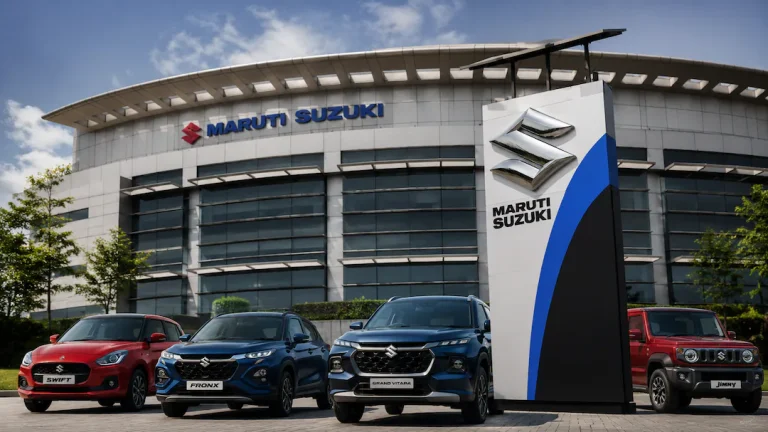
Maruti Suzuki India has announced a price increase of up to Rs 30,000 across its vehicle lineup starting June 2026, citing sustained inflationary pressure and rising input costs. The country’s largest carmaker said the decision comes despite multiple cost-cutting measures implemented over recent months.
The company stated that the final increase will vary depending on the model and variant.
Rising Input Costs Force Price Revision
In a regulatory filing, Maruti Suzuki said increasing raw material costs and broader inflationary pressures have significantly impacted manufacturing expenses. While the automaker has attempted to absorb much of the burden internally through efficiency measures and cost optimisation strategies, the prevailing cost environment has made a price revision unavoidable.
The company explained that it is now passing on a portion of the increased costs to the market while trying to minimise the impact on customers.
Price Hike To Affect Entire Vehicle Portfolio
The upcoming revision will apply across Maruti Suzuki’s portfolio, which ranges from entry-level hatchbacks to premium SUVs. The company, however, has not specified which models will witness the highest increase.
Currently, Maruti Suzuki vehicles are priced between approximately Rs 3.50 lakh and Rs 25 lakh in the ex-showroom market.
Popular Budget Cars Likely To Be Impacted
Some of Maruti Suzuki’s most popular budget-friendly models may also see revised prices from June.
Among the widely sold Arena models:
- Maruti Suzuki S-Presso is currently priced between Rs 3.50 lakh and Rs 5.25 lakh.
- Maruti Suzuki Alto K10 is available from Rs 3.70 lakh to Rs 5.45 lakh.
- Maruti Suzuki Celerio is priced between Rs 4.70 lakh and Rs 6.73 lakh.
Industry observers believe entry-level vehicles may witness relatively smaller increases compared to higher-end models, though the company has not confirmed exact details.
Inflation Continues To Pressure Automobile Industry
The latest announcement reflects broader challenges facing the automobile sector, where manufacturers are dealing with rising commodity prices, logistics expenses, and operational costs.
Automakers across segments have increasingly resorted to periodic price hikes to offset higher production costs while balancing customer demand in a competitive market.
Maruti Suzuki’s decision also comes at a time when inflationary pressures are affecting multiple sectors of the Indian economy, including transportation, manufacturing, and consumer goods.
What It Means For Buyers
Customers planning to purchase a Maruti Suzuki vehicle may consider booking before the revised prices come into effect in June. Even moderate price increases can impact on-road costs further due to taxes, insurance, and registration charges.
With the hike expected across several models, prospective buyers could face higher ownership costs in the coming months.