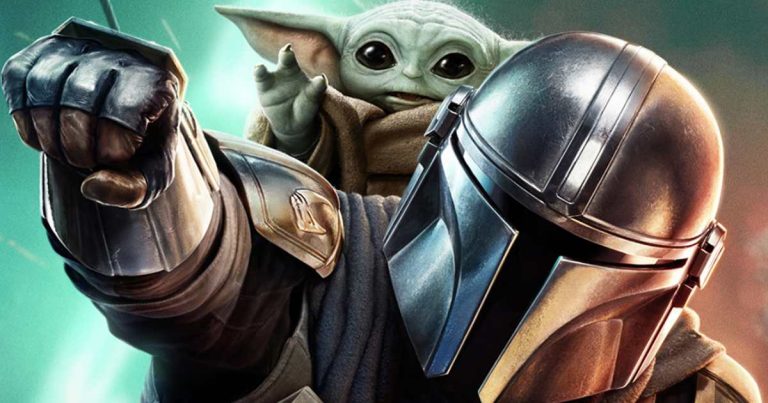
Lucasfilm’s long-awaited return to multiplexes after a seven-year big-screen hiatus has landed with a fascinating, double-edged box office narrative.
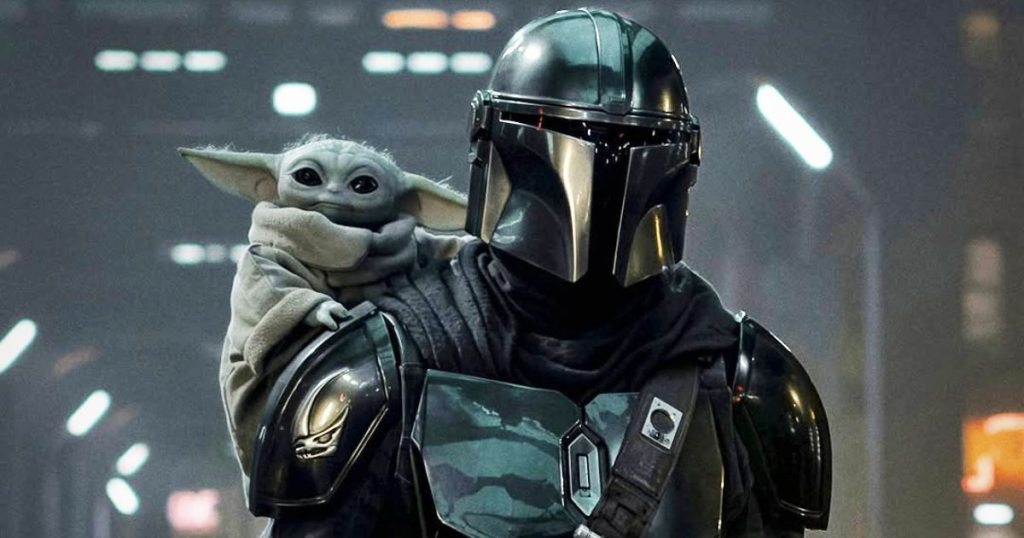
Star Wars: The Mandalorian and Grogu officially locked in the number one spot at the North American domestic box office on its opening Friday, pulling in a modest $33 million across 4,300 theaters. While that initial figure securely establishes the Jon Favreau-directed space opera at the top of the competitive Memorial Day holiday weekend frame, it simultaneously etches a historic low point for the multi-billion-dollar franchise under the Walt Disney Studios umbrella.
The opening day haul, which encompasses $12 million generated during Thursday night preview screenings, officially dips below the baseline set by 2018’s Solo: A Star Wars Story, which registered a $35.3 million opening Friday. The performance confirms that The Mandalorian and Grogu holds the title for the lowest opening day ever recorded by a modern Star Wars feature film. Despite the historic franchise low, the title secured a respectable placement within the broader theatrical landscape, logging the fourth-biggest domestic opening day of 2026.
The Critical Consensus: Critics on Rotten Tomatoes handed the Pedro Pascal-led film a modest 62% rating. The general consensus points to an action-heavy but narrative-thin episodic structure, noting that the theatrical transition plays like a glossy, summer-tentpole small-screen rerun that relies heavily on the built-in charm of its iconic central duo.
Tracking a Healthier Financial Orbit Than “Solo”
While industry purists might flinch at the film breaking Solo‘s low-water mark, box office analysts emphasize that comparing the two titles row-by-row misses a highly critical variable: the initial production investment. The two spin-offs present drastically different financial risks for Disney, turning a superficial deficit into a potentially stable theatrical win.
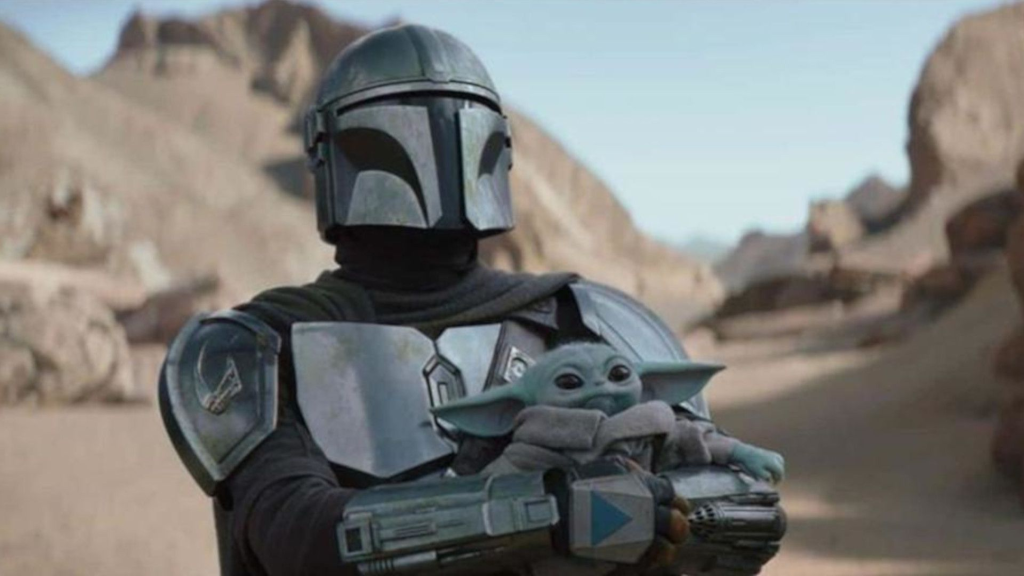
As the tracking indicates, Solo was heavily weighed down by a massive, production-bloated budget caused by late-stage director swaps and extensive mid-shoot overhauls. By contrast, The Mandalorian and Grogu operated under a tightly managed $165 million budget. If the movie matches Solo‘s eventual lifetime theatrical curve, its lower production costs combined with massive toy sales for “Baby Yoda” and integrated theme park cross-promotions ensure the project will clear its profitability hurdles far more comfortably than its predecessor.
Strong Holiday Word-of-Mouth Fuels Upward Adjustments
Despite the lukewarm critical reviews, early audience exit polling is swinging surprisingly positive, sparking notable late-weekend tracking upgrades. Box office trackers are reporting healthy family attendance metrics over the extended holiday weekend. While early conservative industry estimates pegged the film to stall out between $80 million and $85 million across its three-day domestic layout, strong holiday walk-up sales have pushed multi-day projections higher.
Current tracking models indicate The Mandalorian and Grogu is on pace to capture a $91 million to $100 million four-day haul through Memorial Day Monday, with optimistic forecasts hinting it could clip the higher end of that range if family audiences sustain momentum. The film handily beat last year’s holiday competitor, Mission: Impossible The Final Reckoning ($24.8 million), though it sits comfortably below the holiday benchmark set by the live-action Lilo & Stitch remake ($55.9 million).
For Disney, this initial performance serves less as an old-school Star Wars blockbuster explosion and more as a calculated, financially sustainable step toward rehabilitating theatrical fan engagement.