
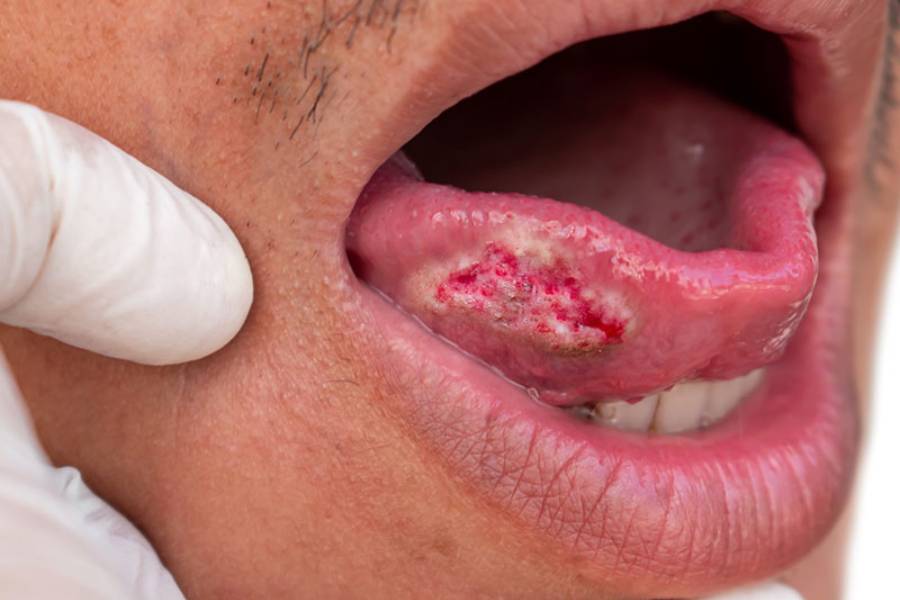


Oral cancer continues to emerge as a major public health challenge in India, with alarming estimates suggesting nearly five deaths every hour. Despite decades of awareness campaigns, anti-tobacco laws, and warning labels, the disease is still rising—especially among men. The growing burden is raising urgent questions about why prevention efforts have not been enough.
A Growing Health Burden in India
Recent health data indicates that oral cancer cases are increasing steadily, with more than 100,000 new cases reported annually among men. This makes India one of the most affected countries globally. The situation is particularly concerning because many cases are detected late, reducing survival chances significantly. While early detection can push survival rates as high as 90%, delayed diagnosis remains common, often due to lack of awareness or neglect of early symptoms.
Tobacco: The Strongest Driving Force
The biggest contributor to this crisis is still tobacco use. Experts estimate that nearly 80% of oral cancer cases are linked to tobacco consumption, especially smokeless forms such as gutka, khaini, and paan. These products are widely used due to their low cost, easy availability, and social acceptance in many regions.
What makes the situation worse is early initiation. Many users begin chewing tobacco in adolescence or early adulthood and struggle to quit due to strong nicotine addiction. Over time, repeated exposure causes severe damage to the mouth lining, leading to pre-cancerous conditions that can develop into cancer.
Lifestyle Risks and Hidden Triggers
Beyond tobacco, other factors are also contributing to the rising cases. Excessive alcohol consumption significantly increases risk, especially when combined with tobacco use, as it enhances the absorption of harmful carcinogens.
Medical experts also point to infections such as human papillomavirus (HPV), particularly HPV-16, which is increasingly linked to oral and throat cancers even in people without tobacco habits. In addition, poor oral hygiene, nutritional deficiencies, and chronic mouth irritation further increase vulnerability.
Why Awareness Has Not Been Enough
India has had anti-tobacco campaigns for decades, including bans on cigarette advertising and mandatory warnings on media platforms. However, experts argue that awareness alone has not translated into behavioural change. Smokeless tobacco remains deeply embedded in social habits, especially in rural and low-income communities.
Stricter smoking regulations have also unintentionally pushed users toward smokeless alternatives, which are often wrongly perceived as less harmful despite being equally dangerous.
Emerging Concerns: Youth and Vaping
A worrying trend is the rising exposure among younger populations. Peer influence and social normalization have contributed to earlier initiation of tobacco use. At the same time, vaping is gaining popularity, but research suggests it is not risk-free. Chemical exposure from e-cigarettes may also damage oral tissues and contribute to long-term health risks.
Warning Signs Often Ignored
Doctors emphasize that early symptoms are frequently overlooked. Persistent mouth ulcers, white or red patches, difficulty swallowing, unexplained bleeding, or lumps in the mouth are often ignored until the disease progresses. This delay in seeking medical attention remains one of the biggest reasons for high mortality.
Prevention and Early Detection
Health experts stress that routine dental check-ups and regular screenings are critical for early detection. Identifying the disease at an early stage not only improves survival chances but also reduces treatment costs significantly. Public health specialists also argue that stronger enforcement of tobacco control laws, along with targeted awareness programs in schools and rural areas, is essential to reduce future cases.
The rising cases of oral cancer in India reflect a complex mix of addiction, lifestyle habits, and late diagnosis. While awareness campaigns have helped, they have not been enough to counter deeply rooted tobacco use patterns. Without stronger prevention strategies and early screening efforts, the burden is likely to continue growing.