
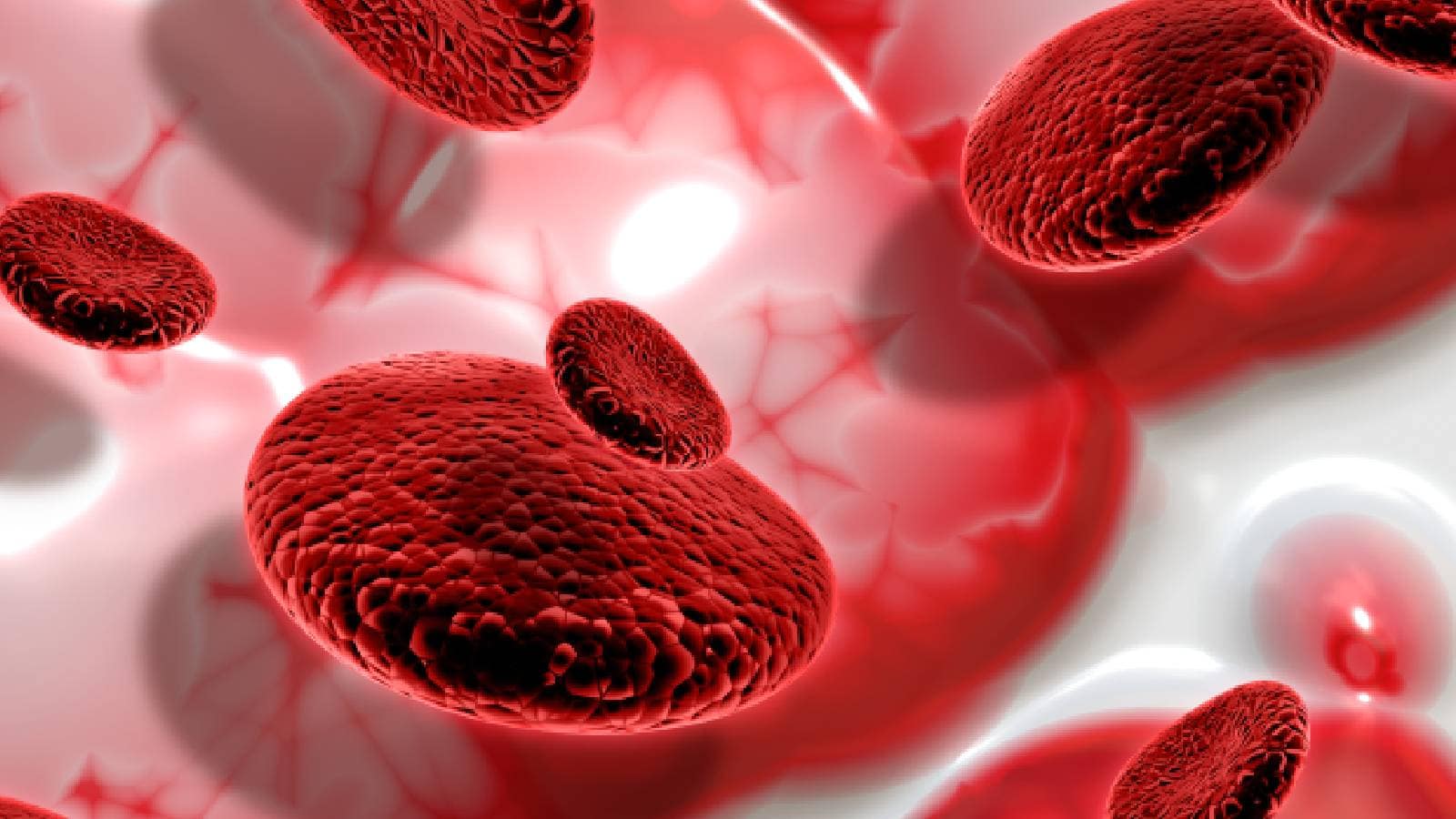


NEW DELHI – In India, blood cancers like leukaemia, lymphoma, and multiple myeloma are seeing a rising trend in diagnosis. Yet, unlike solid tumors that present as physical lumps, these “liquid” cancers often progress under the radar. Expert hematologists warn that because these diseases develop within the bone marrow and lymphatic system, the early warning signs are frequently misread.
Here are five critical reasons why blood cancers remain undetected until they reach advanced stages.
1. The Absence of Physical Lumps
Most people associate cancer with a tangible lump or localized pain. Blood cancers do not follow this rule. They develop internally in the blood and bone marrow, often leaving the patient looking “outwardly well” while the disease progresses silently.
2. Symptoms Mimic Common Infections
The early signs—persistent fever, night sweats, and swollen lymph nodes—are almost identical to common Indian health issues like tuberculosis or viral infections. Patients and doctors often spend months treating these as minor ailments before considering a specialist hematology evaluation.
3. Normalization of Fatigue and Anaemia
Extreme weakness and anaemia are hallmark signs of leukaemia and myeloma. However, in India, where anaemia is widespread, these symptoms are often dismissed as being caused by stress, poor diet, or aging. When fatigue is severe or persistent, it should be treated as a major red flag rather than a routine occurrence.
4. “Hidden” Immune System Failures
Because blood cancer compromises the immune system, the primary symptom might simply be recurrent infections. If you find yourself catching frequent colds, struggling with slow recovery from minor illnesses, or suffering from infections that keep returning, it may be a sign that your blood’s white cells are not functioning correctly.
5. Subtle and Gradual Onset
Blood cancer rarely strikes with a sudden, dramatic event. The symptoms develop so gradually that the body often “adjusts” to the feeling of being unwell. This gradual decline makes it easy for patients to self-manage symptoms with over-the-counter medications until the disease has significantly advanced.
The Expert Take: Why Early Detection Matters
Dr. Rahul Bhargava (Fortis, Gurgaon) emphasizes that the challenge lies in the “non-specific” nature of these signs. However, with modern advances in targeted therapy, immunotherapy, and bone marrow transplants, the success rate for treating blood cancer in 2026 is higher than ever—provided the disease is caught before it causes irreversible organ damage.
Key Takeaway: If you experience unexplained weight loss, persistent bone pain, or fever that doesn’t subside with standard treatment, insist on a Complete Blood Count (CBC) and consult a hematologist.