
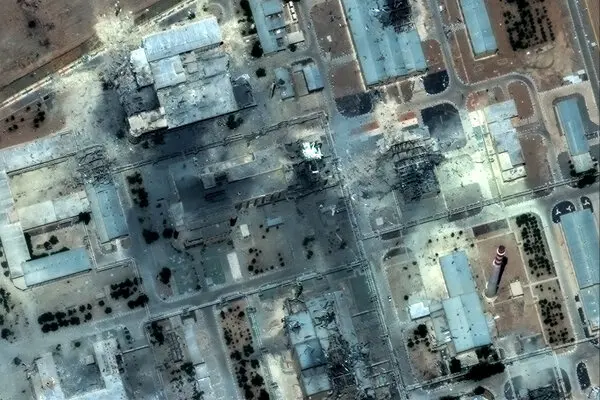


Iran has made a startling announcement regarding its nuclear materials. Kazem Gharibabadi, the deputy foreign minister, stated that the government no longer has physical control over its uranium enriched to 60 percent. Furthermore, he explained that this material remains trapped underground in facilities damaged by recent bombings.
Stalled Nuclear Talks and Harsh Demands
Tehran expressed a strong willingness to discuss the nuclear issue in detail. However, the United States allegedly refused to hold a fair negotiation. Gharibabadi claims that Washington only wants to dictate its own terms to Iran. Consequently, the recent discussions in Islamabad reached a difficult standstill.
During these talks, both sides focused on three main pillars. These included Iran’s promise not to build nuclear weapons and the management of current stockpiles. They also discussed the future of uranium enrichment levels. Specifically, the U.S. demanded that all 60 percent enriched uranium go directly to America. Additionally, Washington asked Iran to stop all enrichment for the next twenty years.
Rejection of American Dictation
Iran rejected these demands immediately to protect its national interests. The minister questioned why his country should send its valuable material specifically to the U.S. He argued that Washington is simply looking for concessions after a war it could not win. Therefore, he described the American strategy as a series of orders rather than a real conversation.
Tehran insists that the current ceasefire in the Middle East was actually Washington’s idea. Meanwhile, Iran continues to hold its ground on sovereign rights. Because of this, the minister stated that the nation would not be deprived of its progress. He believes the 14-point proposal is the only fair way to move forward.
Global Shipping and the Strait of Hormuz
The conflict has also impacted global trade routes significantly. Turning to the Strait of Hormuz, Iran highlighted its relationship with friendly nations like India. So far, authorities have allowed eleven vessels from India to pass through the area. They are currently working on letting more ships through to help their allies.
However, Iran plans to introduce new fees for ships crossing the Strait. These charges will follow international standards and maintain total transparency. In exchange for opening the route, Iran wants the U.S. to lift its blockade. They also demand the return of frozen Iranian assets held abroad.
The Impact of the Regional War
The war began over two months ago with strikes from the U.S. and Israel. Since then, the conflict has spread across the Middle East and hurt the global economy. Although a ceasefire exists, both sides frequently threaten to start fighting again. Neither side seems ready for a full-scale war, yet they refuse to give up their positions.
Iran remains committed to its promise of not building nuclear bombs. Nevertheless, the government demands that the international community respects its rights. If the U.S. does not change its approach, the deadlock will likely continue. For now, the world watches the trapped uranium as a major safety concern.