
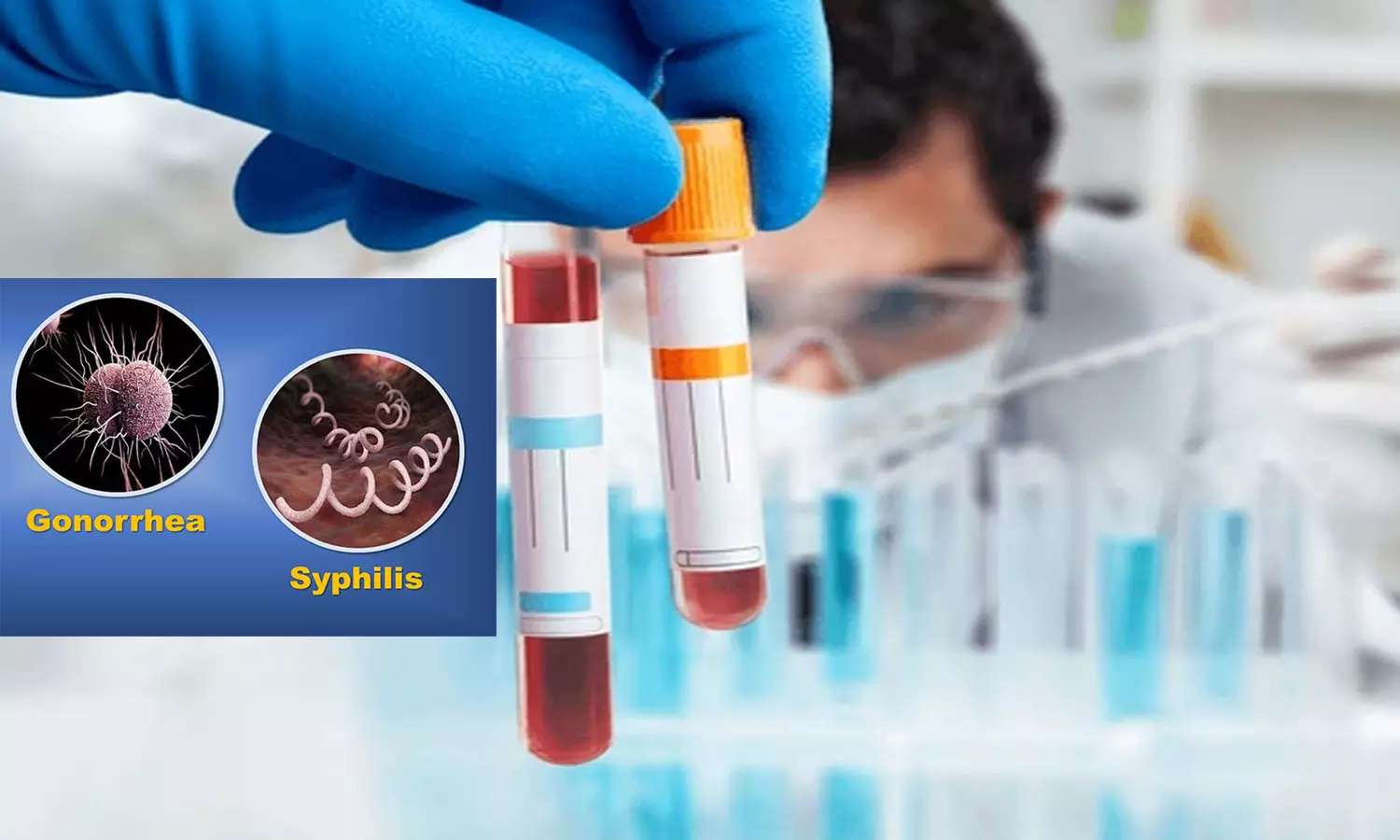


Europe is witnessing its worst sexually transmitted infection (STI) surge in over a decade, with sharp increases in gonorrhoea and syphilis cases across multiple countries. Health authorities warn that rising infections, gaps in screening, and changing sexual behaviour are driving a growing public health concern across the region.
Alarming Rise In Gonorrhoea And Syphilis Cases
According to data from the European Centre for Disease Prevention and Control (ECDC), gonorrhoea cases in the EU/EEA reached 106,331 in 2024, marking a 303% increase since 2015. Syphilis cases also rose sharply to 45,577 during the same period, more than doubling over the past decade.
While chlamydia remains the most commonly reported bacterial STI, with over 213,000 cases, it is the rapid rise in gonorrhoea and syphilis that has raised alarm among health experts.
Growing Concern Over Congenital Syphilis
One of the most worrying trends is the rise in congenital syphilis, where the infection is passed from mother to child during pregnancy. Reported cases nearly doubled from 78 in 2023 to 140 in 2024 across 14 countries.
Health experts say this reflects serious gaps in antenatal screening, follow-up testing, and timely treatment, increasing the risk of long-term complications for newborns.
Who Is Most Affected
Men who have sex with men remain the most affected group, with steep increases in both gonorrhoea and syphilis cases. However, infections are also rising among heterosexual populations, particularly women of reproductive age.
Countries such as Spain reported some of the highest numbers, with tens of thousands of gonorrhoea and syphilis cases recorded in 2024 alone.
Key Factors Behind The Surge
Experts attribute the STI surge to multiple overlapping factors. Post-pandemic behavioural changes, including increased sexual activity and multiple partners, are contributing to higher transmission rates. Reduced condom use, particularly among individuals using HIV prevention medication, has also played a role.
At the same time, improved testing has led to better detection, while structural issues continue to hinder control efforts. In several countries, STI testing still requires out-of-pocket payments, limiting access for many people. Public health strategies have also struggled to keep pace with evolving sexual behaviours and digital dating platforms.
Health Authorities Call For Urgent Action
The European Centre for Disease Prevention and Control has urged countries to strengthen screening, improve access to testing, and enhance partner notification systems. Experts also emphasise the importance of safe sexual practices, including consistent condom use and early testing when symptoms appear.
Without stronger intervention, officials warn that STI rates may continue to rise, increasing long-term health complications and widening inequalities in access to care.
Could India Face Similar Risks?
Experts caution that India could experience similar trends if prevention and awareness efforts do not keep pace with changing behaviour patterns. While India already has a significant STI burden, factors such as urbanisation, migration, dating app usage, inconsistent condom use, and gaps in rural healthcare access could increase vulnerability.
Although national programmes have strengthened STI surveillance and treatment services, health experts warn that rising behavioural risks and antimicrobial resistance could fuel future increases if not addressed proactively.